


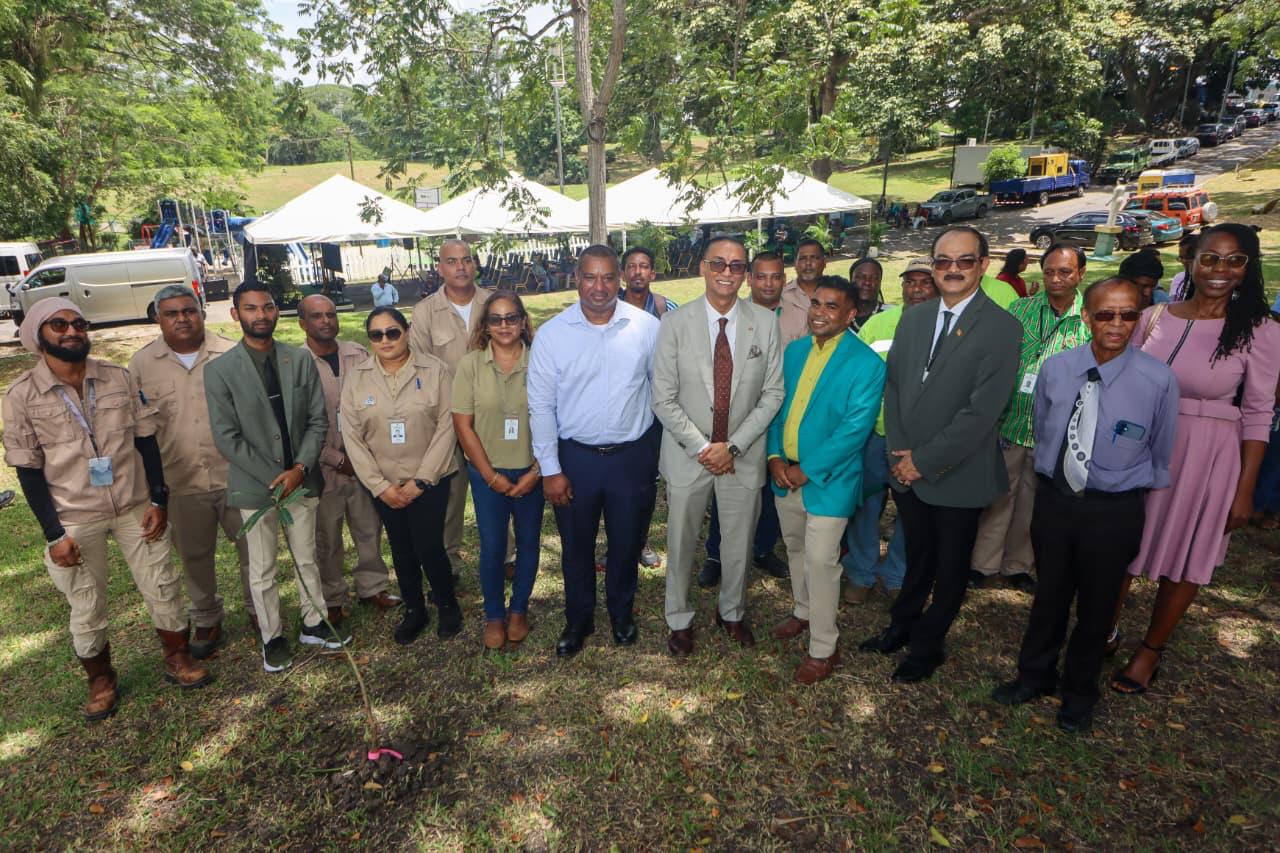
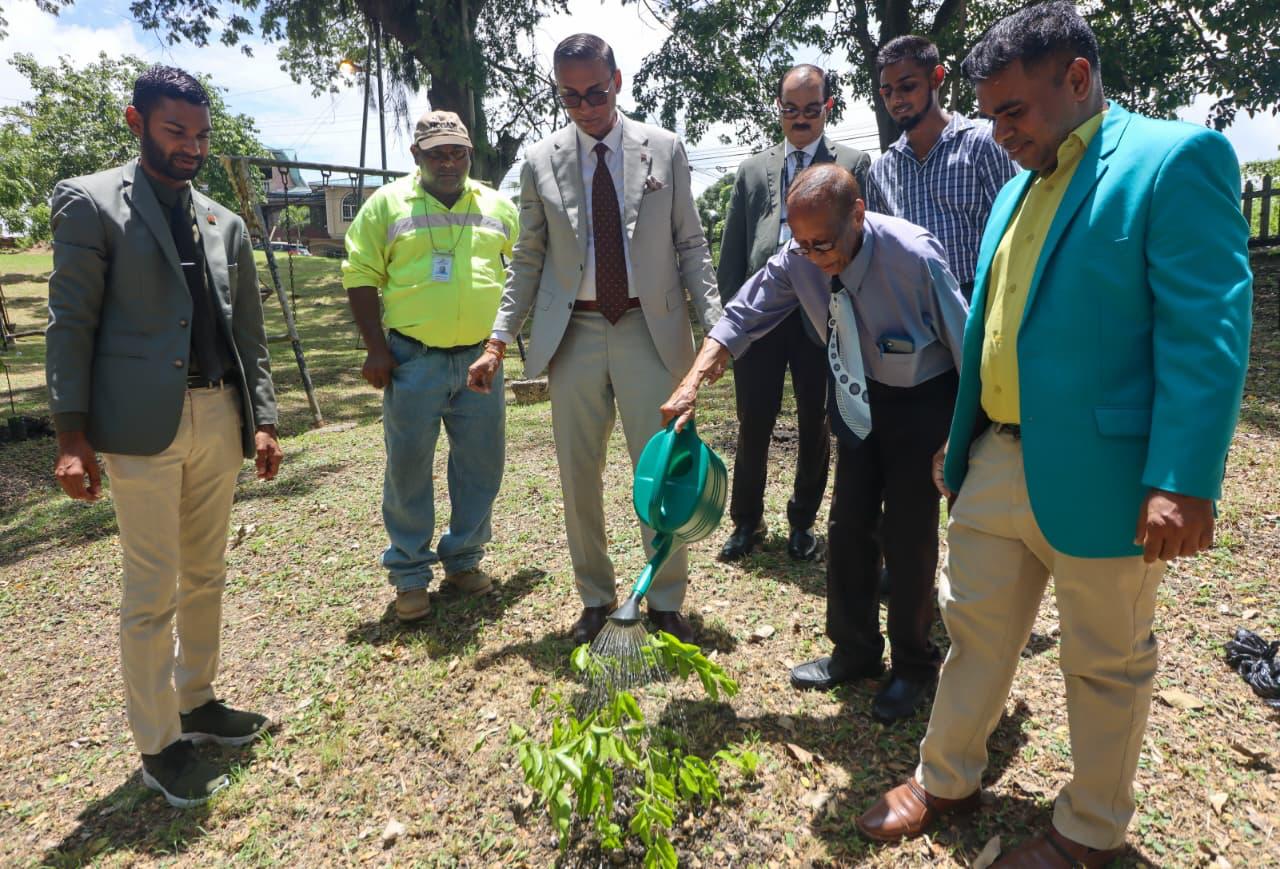
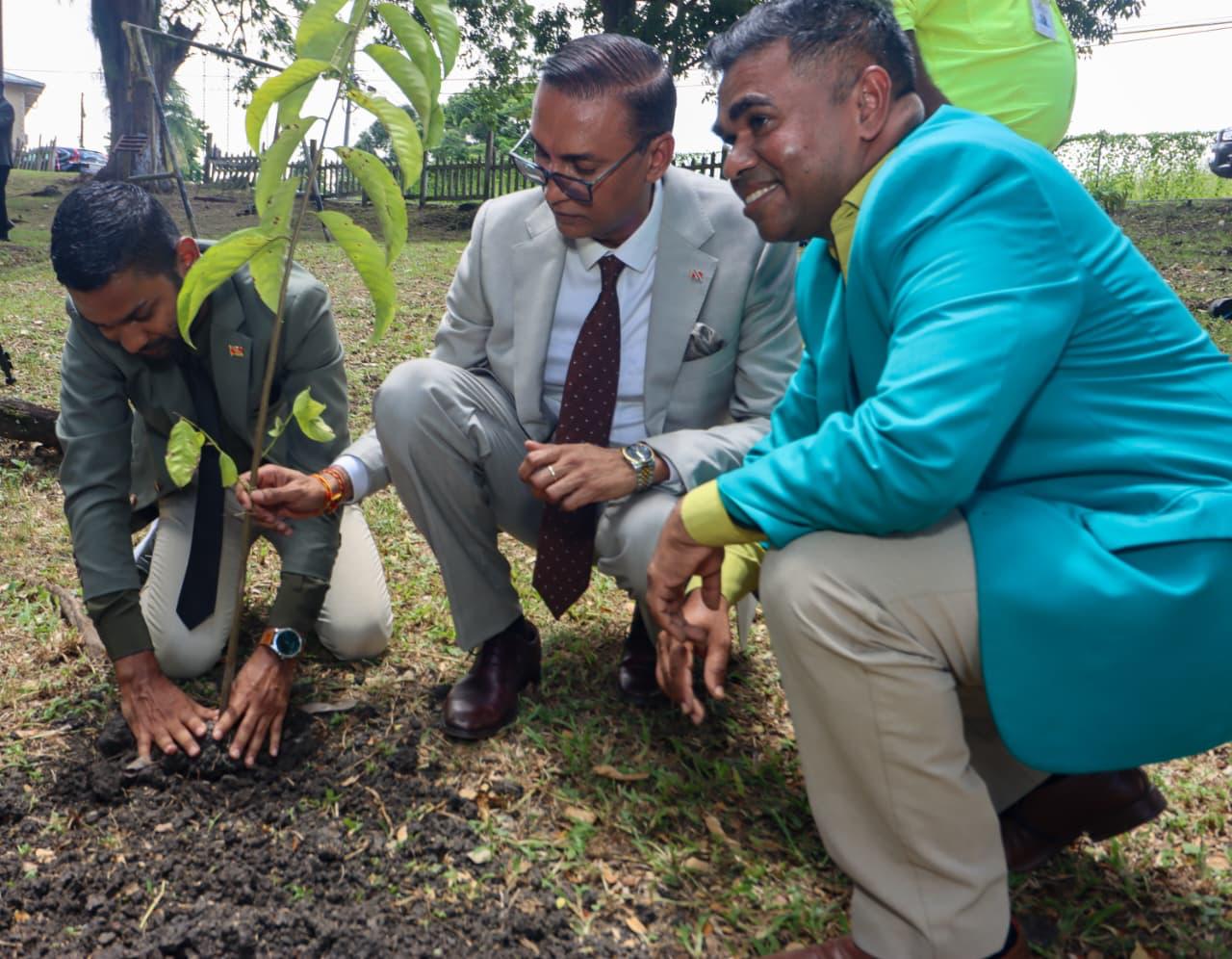
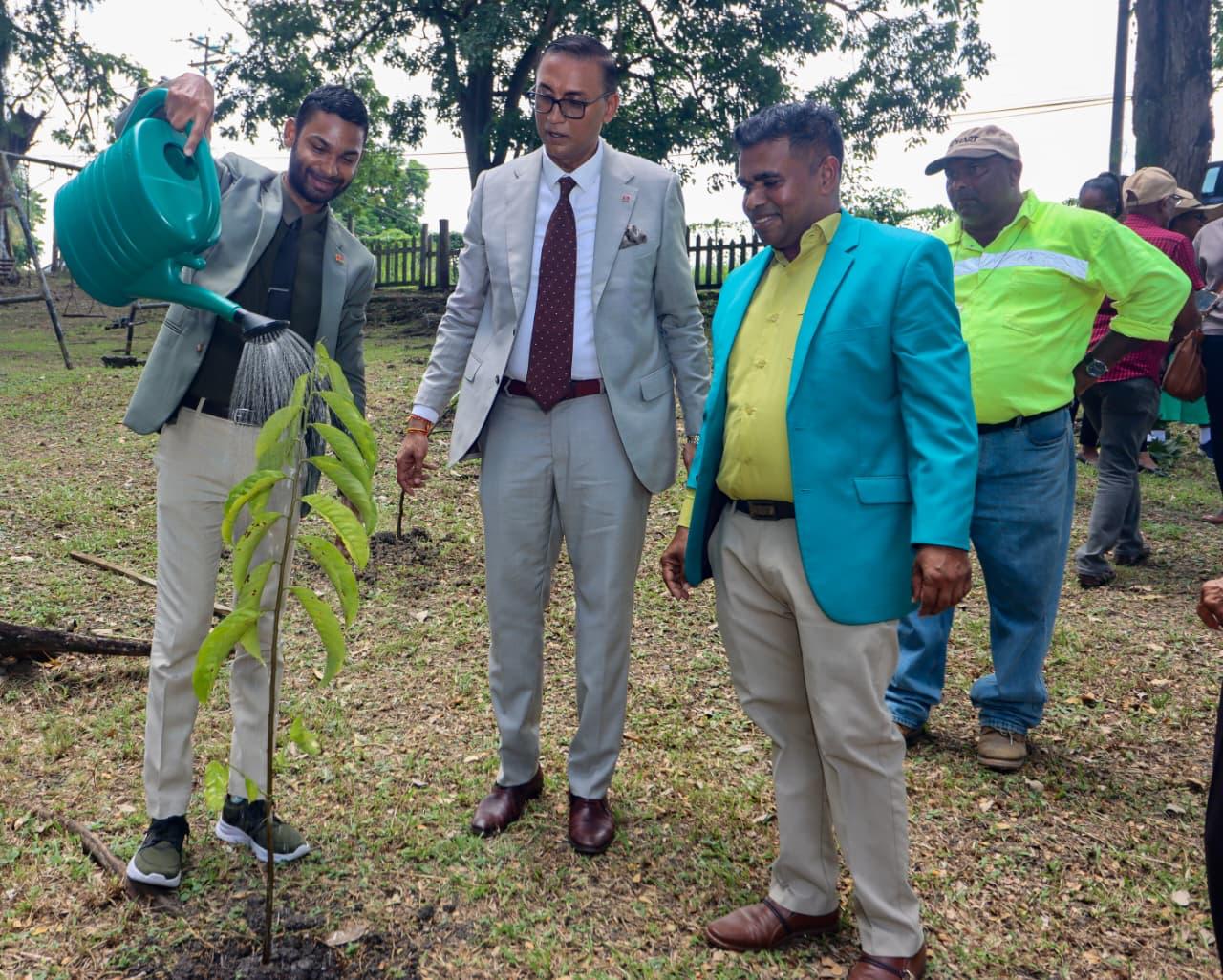
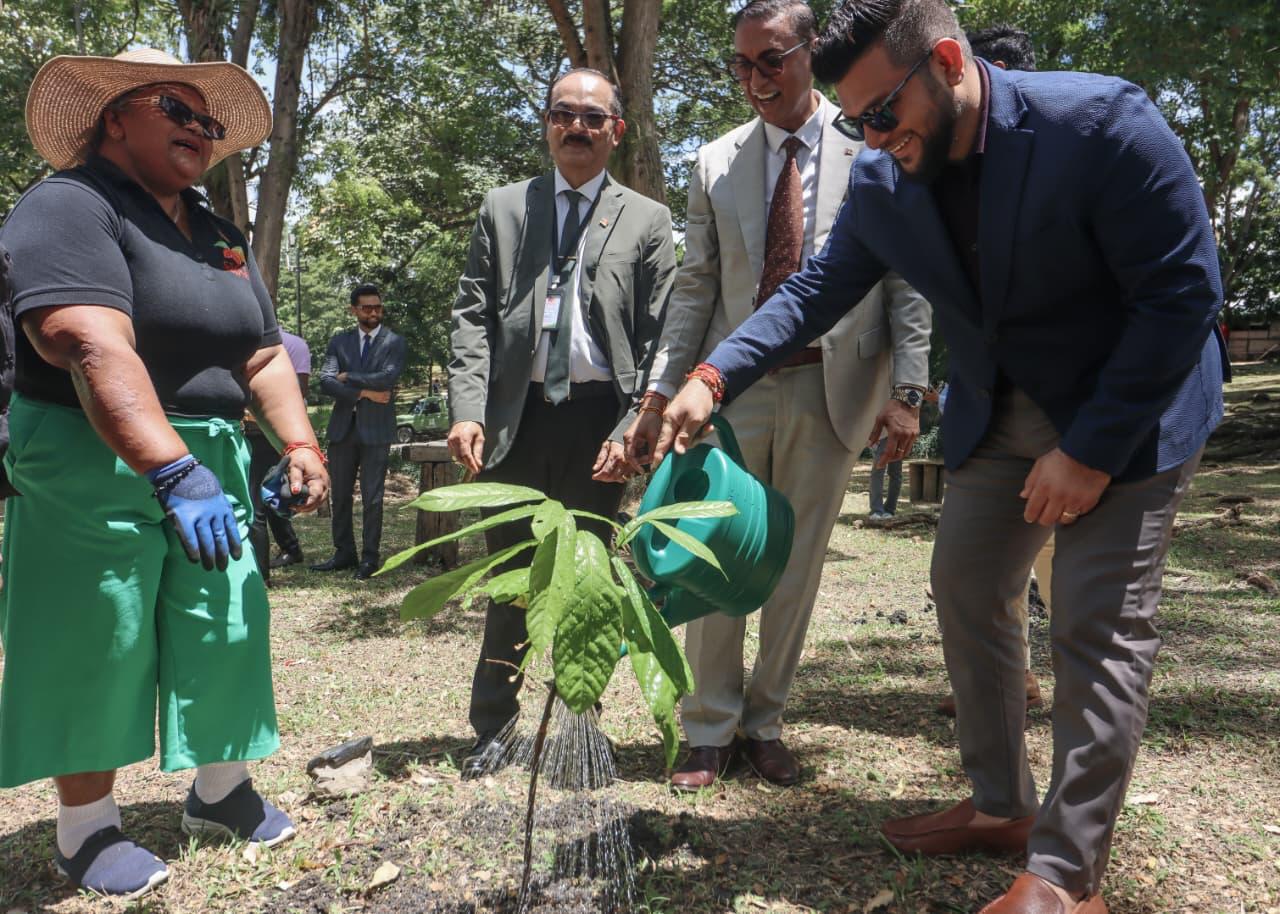
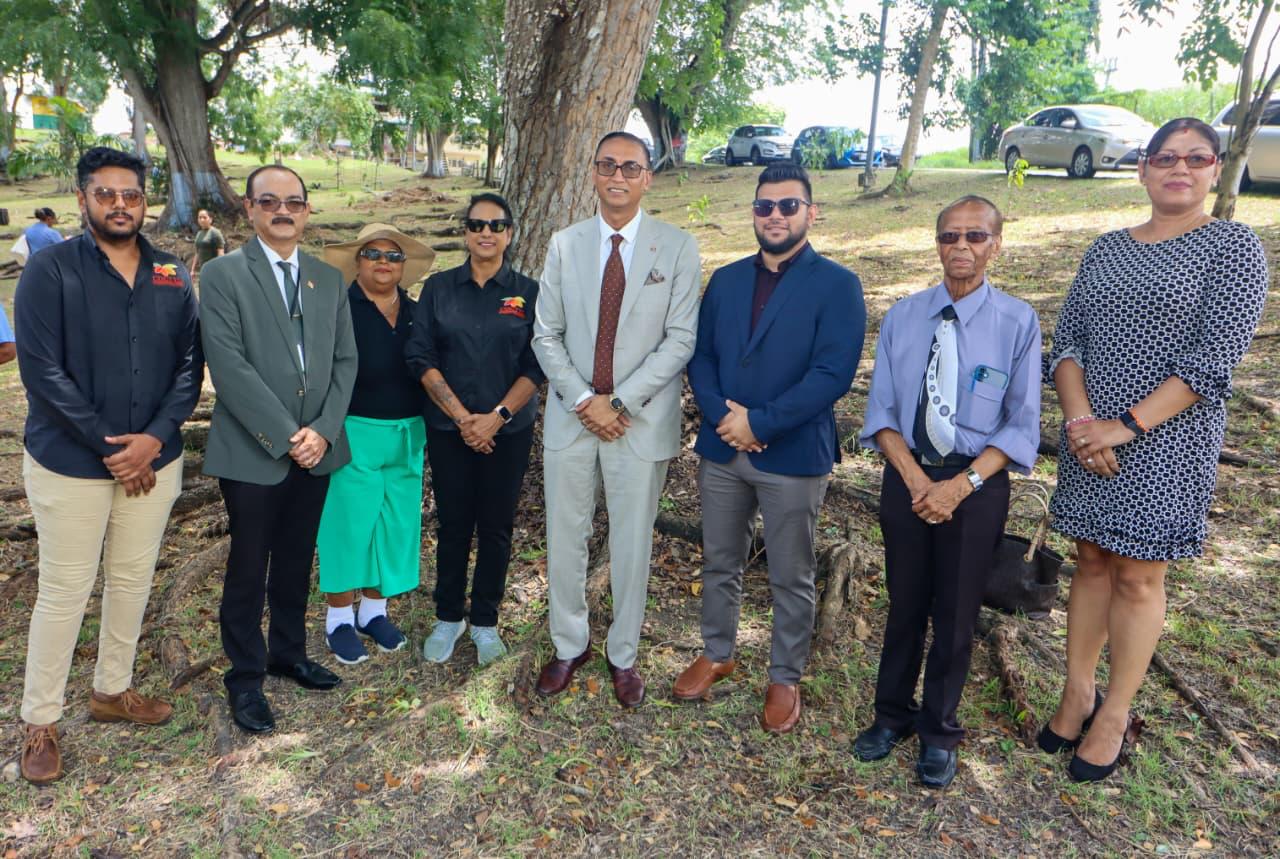
The Ministry of Agriculture and Fisheries (MAF) today officially launched the Public Fruit & Food Orchards Initiative at Palmiste Park, San Fernando, as part of efforts to expand local food production, increase the productive use of public spaces and bring agriculture closer to communities.
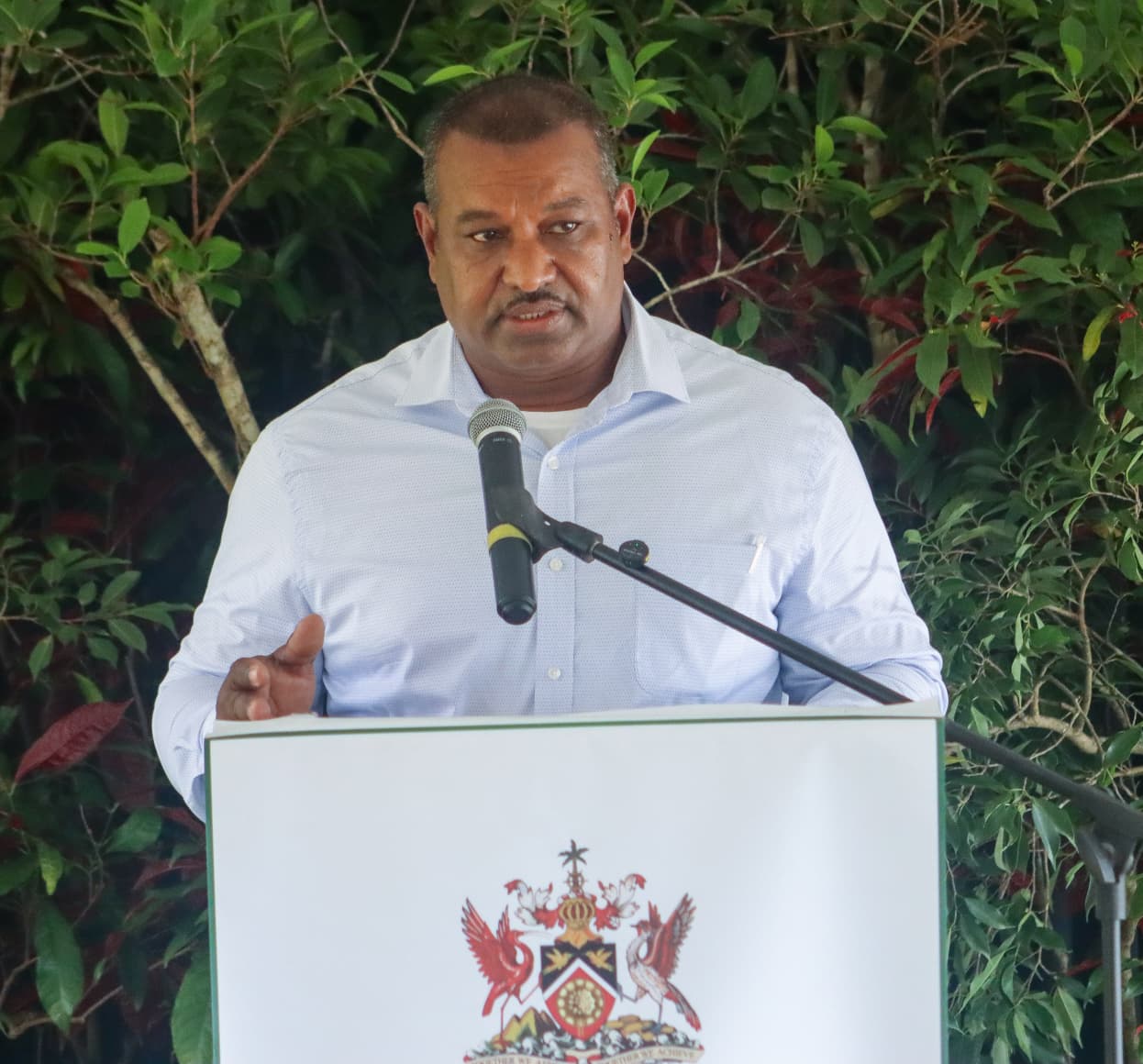
Delivering the feature address, Senator the Honourable Ravi Ratiram, Minister of Agriculture and Fisheries, said the initiative represents a practical approach to strengthening food security by creating additional opportunities for food production beyond traditional agricultural spaces.
“Today, we are not simply planting trees. We are planting an idea, an idea that the spaces around us can become productive spaces, and that food security is not only about what happens on a farm, but also about what happens within our communities,” Minister Ratiram stated.
The initiative will support the transformation of underutilized public spaces into productive food-producing areas, while creating opportunities for community participation, agricultural education and environmental stewardship.
Each orchard is expected to produce at least 500 kilograms of fruits and food annually, engage approximately 200 community members in planting and maintenance activities, and attract at least 1,000 visitors annually.
The initiative also incorporates a digital and data-driven component through the Ministry’s Geographic Information Systems (GIS) Unit. Each orchard location will be mapped and spatially documented to support monitoring, management and future planning.
Also delivering remarks at the launch were Alderman Gowtan Maharaj, Chairman of the Penal/Debe Regional Corporation; Mr. Ameer Roopnarinesingh, Conservator of Forests, MAF; Mr. Raven Ramsawak, Councillor for Palmiste/Hermitage; Dr. Tricia Meville, Head of the GIS Unit, MAF; Mr. Rajesh Lall, Chief Executive Officer of the Cocoa Development Company of Trinidad and Tobago Limited; and Mr. Joe Sirju, Office Manager for the Oropouche East Constituency Office and a resident of the Palmiste community.
The Public Fruit & Food Orchards Initiative is expected to provide additional opportunities for residents to participate in food production while supporting greater awareness of horticulture, nutrition, biodiversity and environmental stewardship.
The Ministry of Agriculture and Fisheries remains committed to advancing innovative, sustainable and data-driven approaches to agricultural development, while strengthening domestic food production and national food and nutrition security.


END
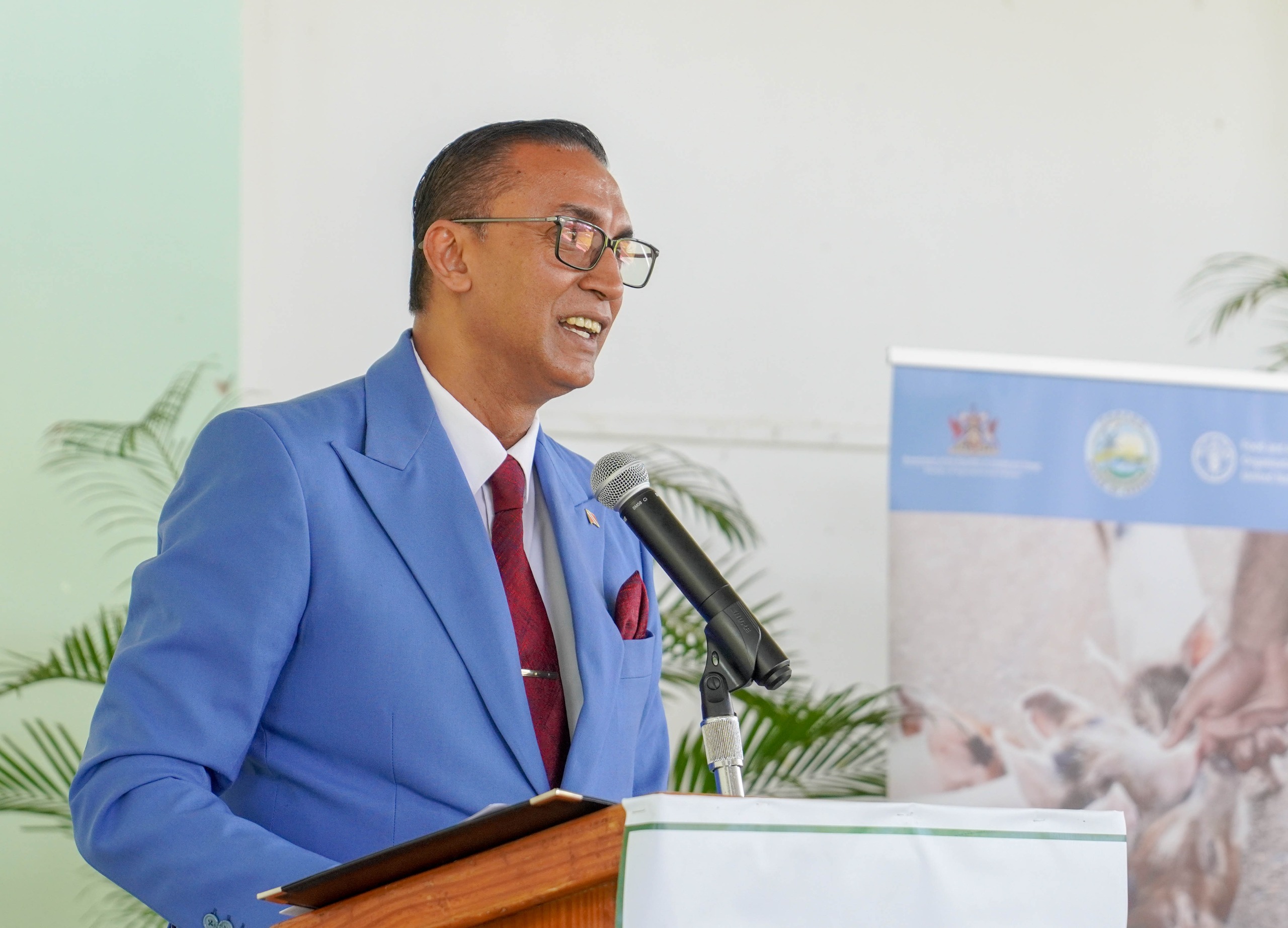
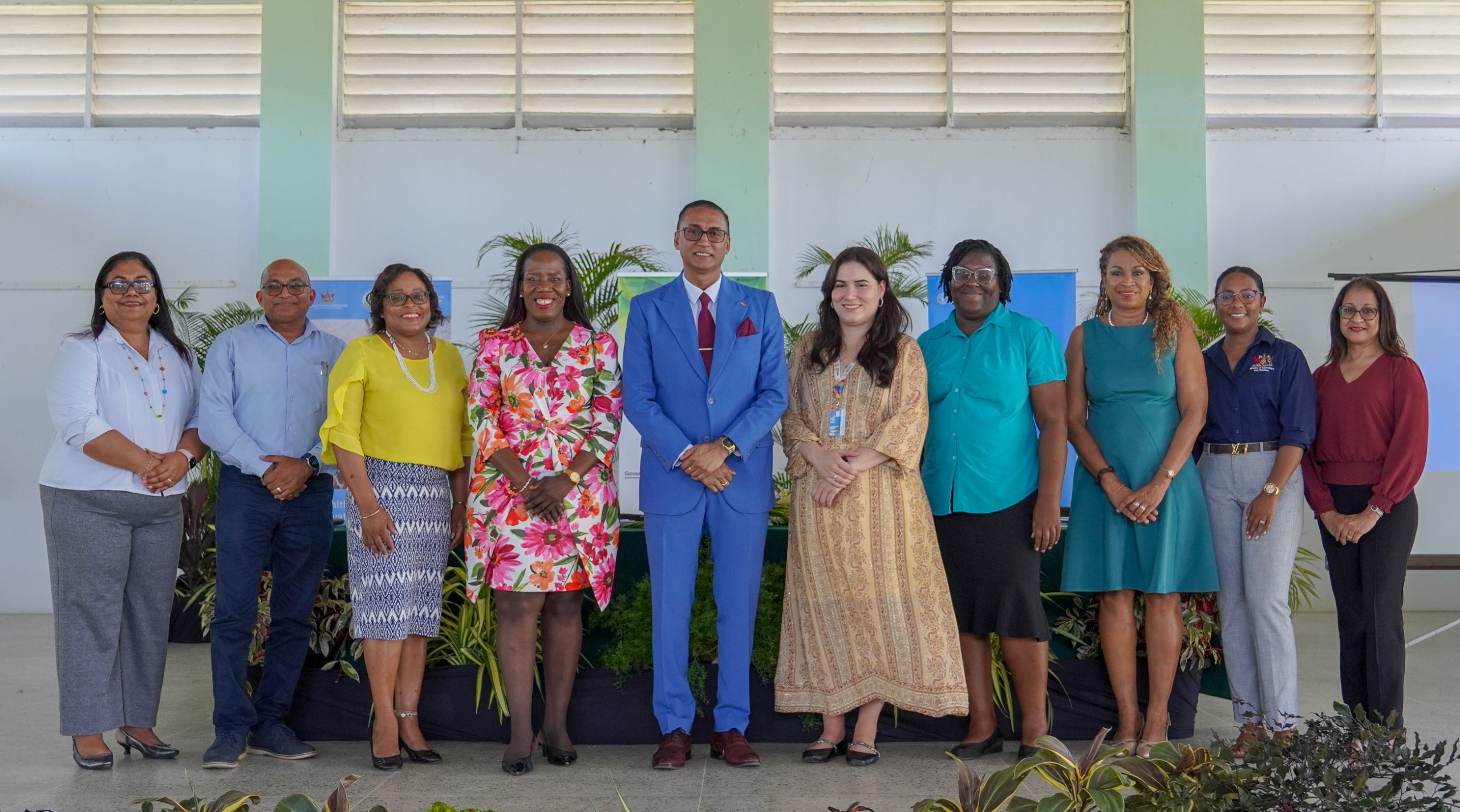
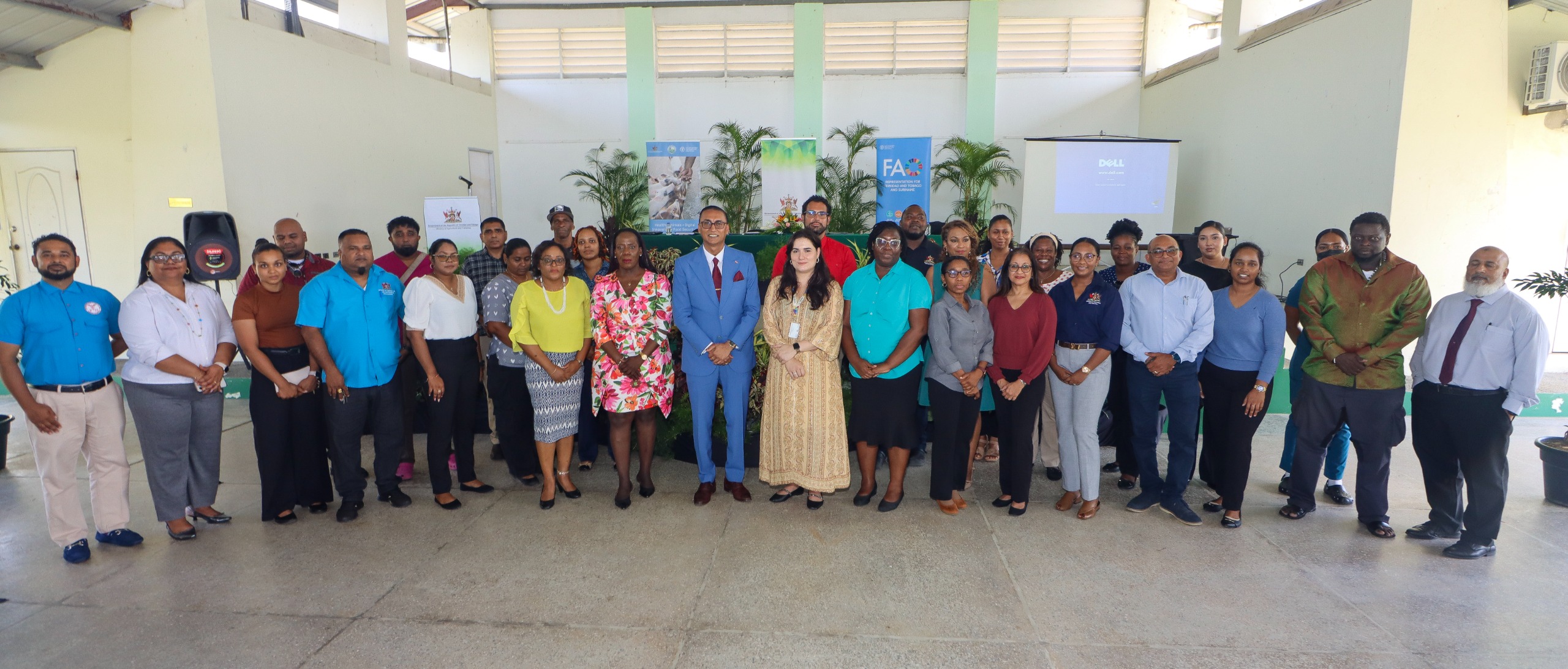
Today, the Ministry of Agriculture and Fisheries (MAF), in collaboration with the Food and Agriculture Organization of the United Nations (FAO), opened the EMA-i+ Training of Trainers Workshop, aimed at strengthening Trinidad and Tobago’s capacity for timely and effective animal disease surveillance and reporting.
The workshop, being held from September 8-11, 2026, forms part of FAO’s Technical Cooperation Programme (TCP.TRI.4101), through which the EMA-i+ system is being configured and established for Trinidad and Tobago. EMA-i+ is a smartphone application developed by FAO to facilitate real-time, georeferenced reporting of animal disease events by field personnel. Information captured through the application is transmitted to the EMPRES-i+ national platform, where it is securely stored and made accessible to authorised Government personnel for monitoring, visualisation and epidemiological analysis.
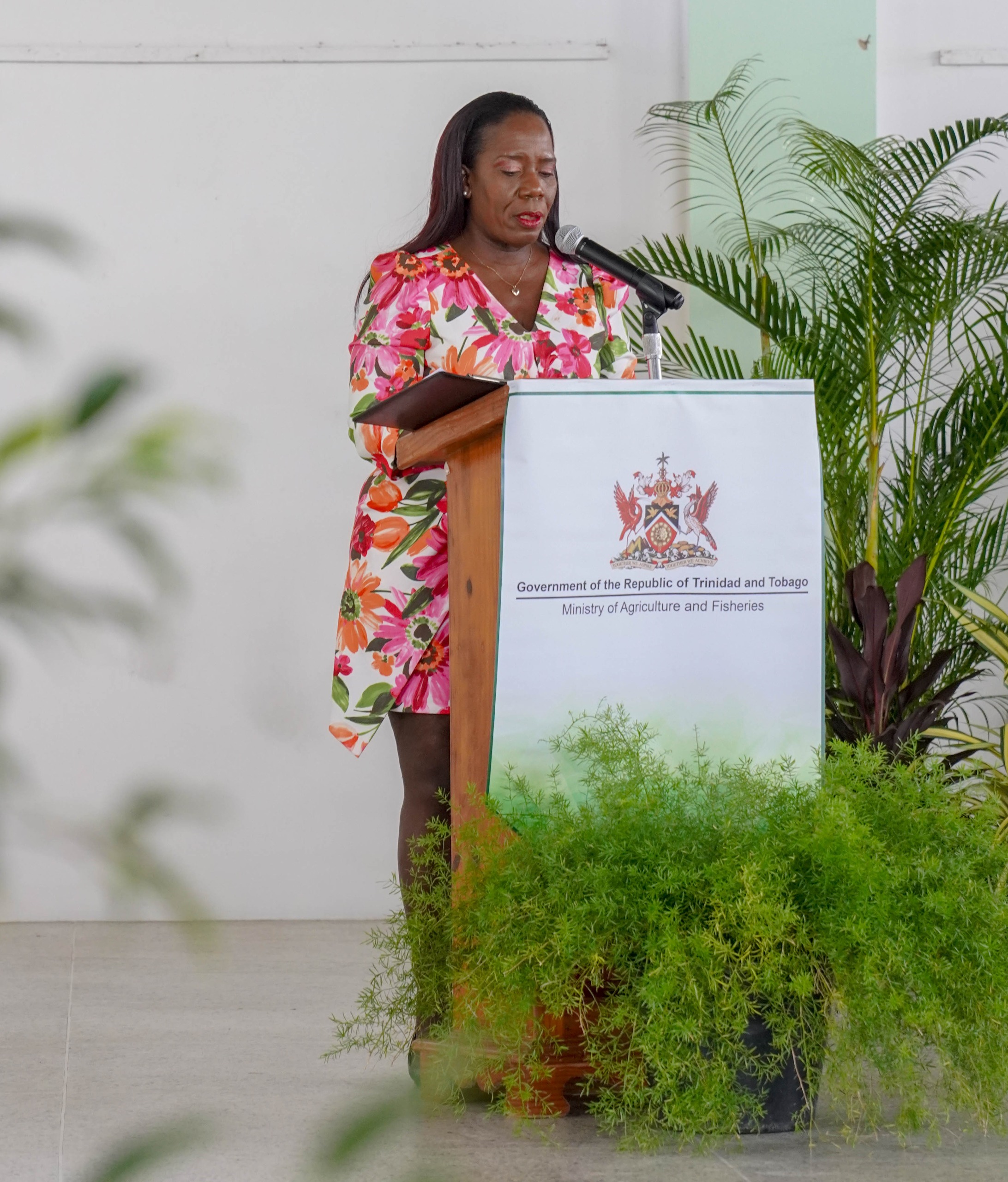
Delivering opening remarks, Senator the Honourable Ravi Ratiram, Minister of Agriculture and Fisheries, emphasised that strong animal health surveillance is critical to protecting farmers, safeguarding food security and building a resilient agricultural sector. Minister Ratiram stated “Preparedness is something that must be built before a crisis occurs. We cannot always prevent an animal disease from emerging or entering our country, but we can strengthen our ability to detect potential threats, understand what is happening and respond appropriately.”
Ms. Michelle Anne Thomas, Permanent Secretary, MAF, noted that the initiative goes beyond introducing a digital application, strengthening the way animal health information is captured, communicated and translated into decisions. “The objective, therefore, is not simply to collect more information. It is to ensure that the right information reaches the right people at the right time, in a form that supports timely and evidence-based action.”
FAO also highlighted the importance of the partnership in advancing digital innovation within Trinidad and Tobago’s agri-food system. Dr Gillian Smith, FAO Representative (Ad Interim) for Trinidad and Tobago and Suriname, noted that EMA-i+ can strengthen the link between information gathered in the field and the Ministry’s decision making processes, particularly during animal health emergencies.
“By leveraging digital technology, the Ministry can enhance its reach and effectiveness, significantly expanding its capacity beyond current approaches,” Dr Smith said.
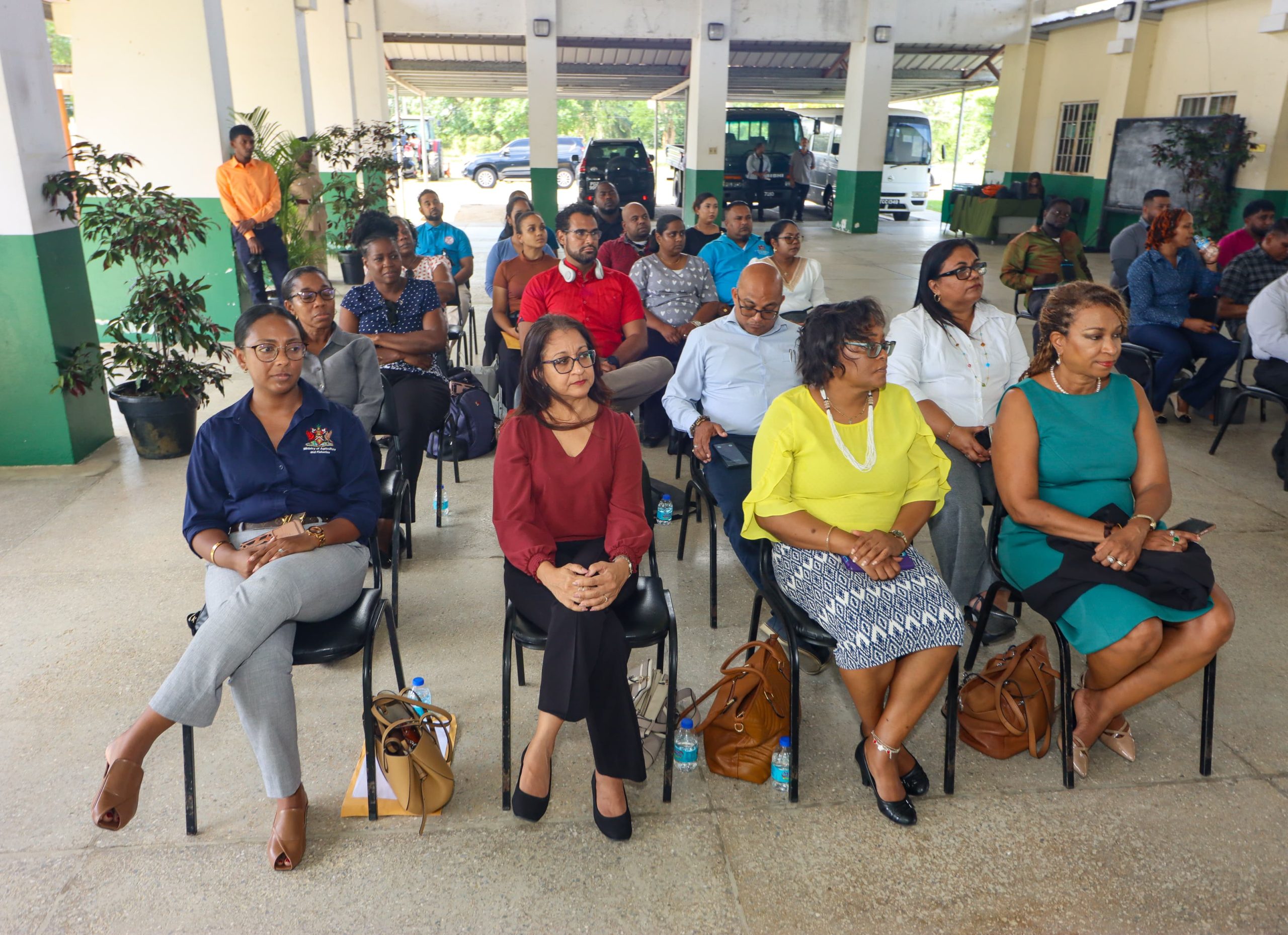
The training will bring together approximately 30 personnel involved in surveillance, data collection and reporting of domestic and wild animal diseases. This includes 28 officers from the Ministry of Agriculture and Fisheries and two officers from the veterinary services of the Tobago House of Assembly. The participants will be trained in the use of EMA-i+ and will subsequently train other expected users across Trinidad and Tobago.
The Ministry of Agriculture and Fisheries will continue to strengthen national animal health systems through capacity building, technological innovation and strategic partnerships to support earlier disease detection, faster response and better-informed decision-making in protecting Trinidad and Tobago’s agricultural sector.

END
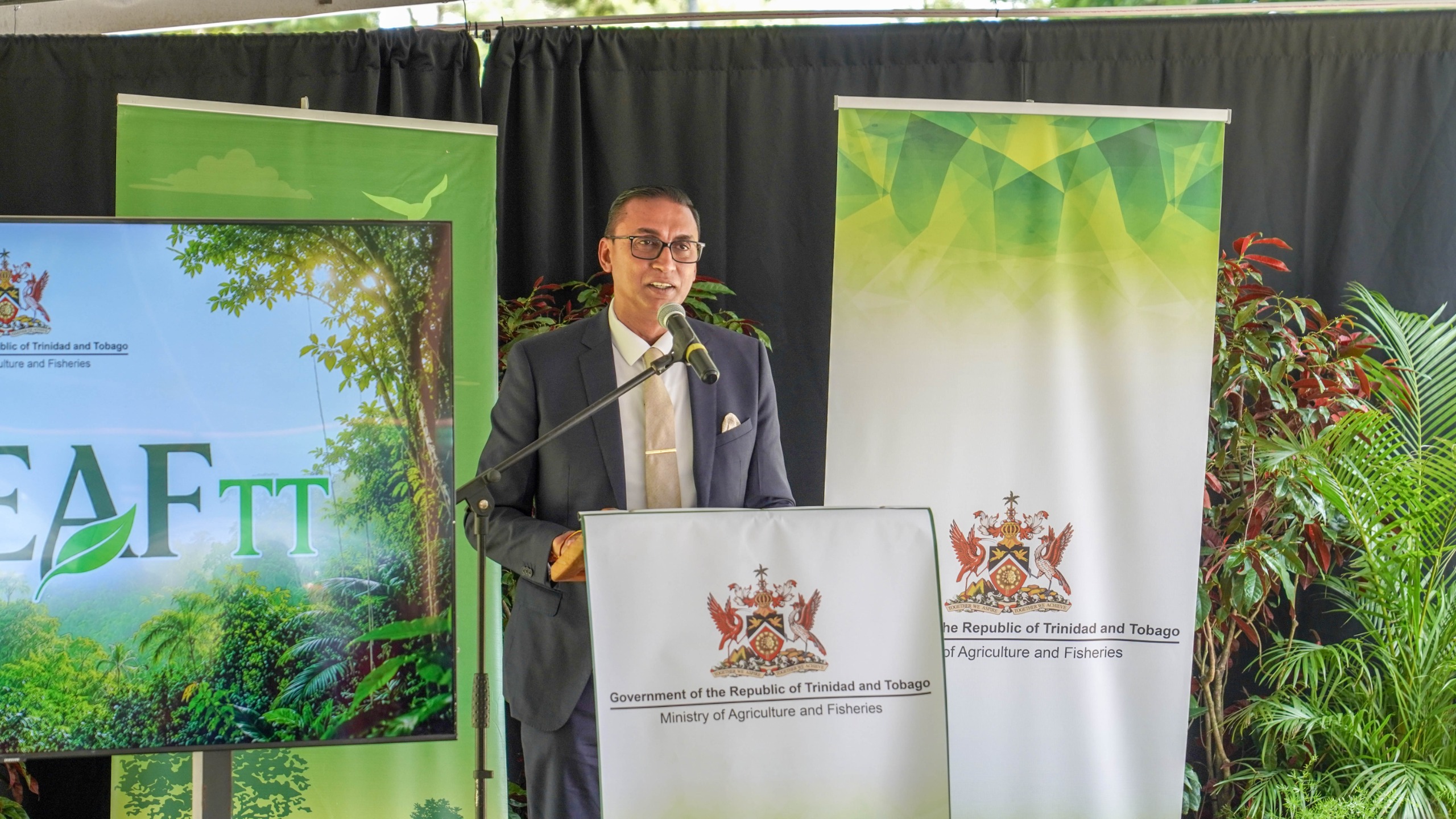
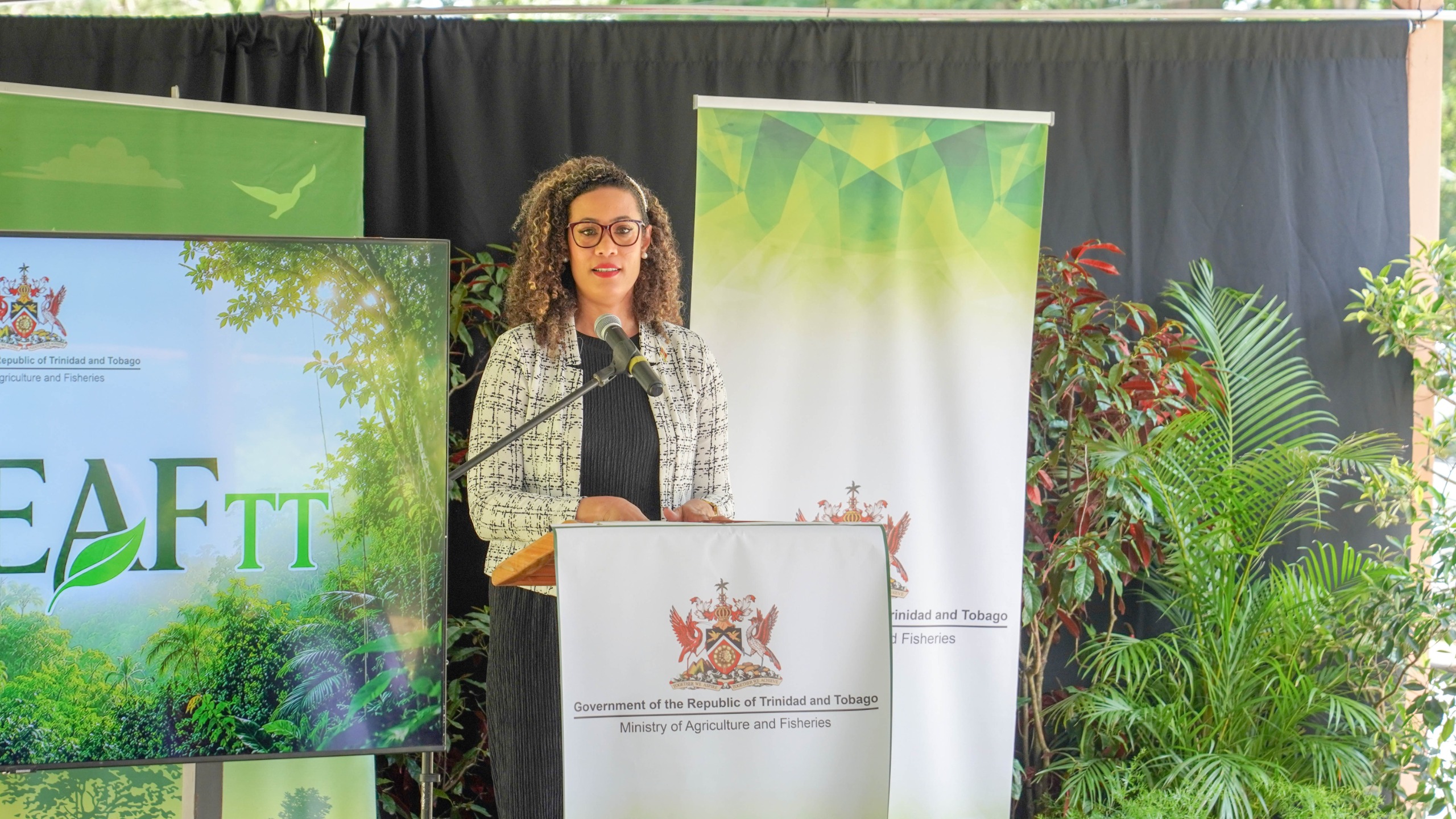
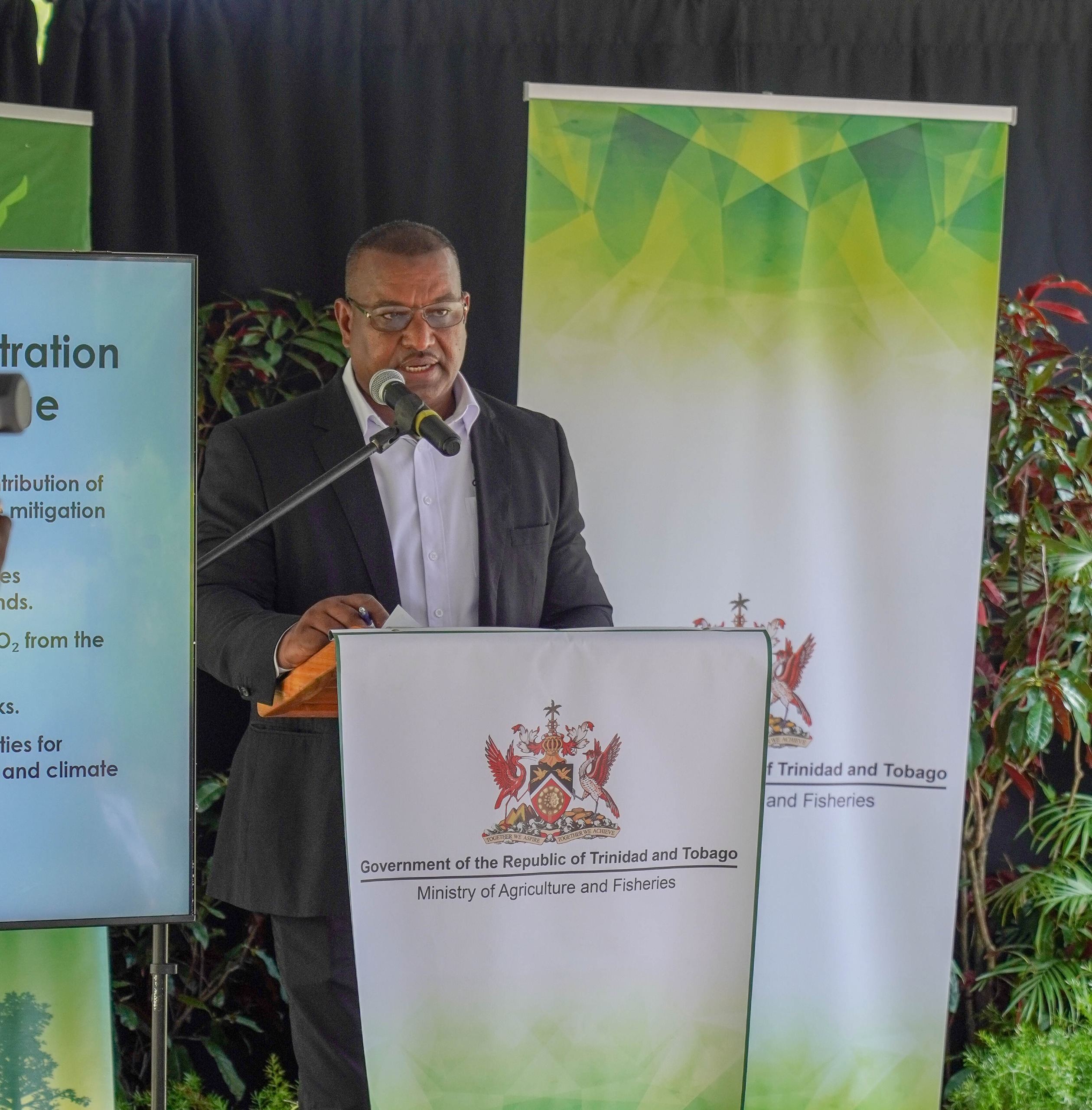
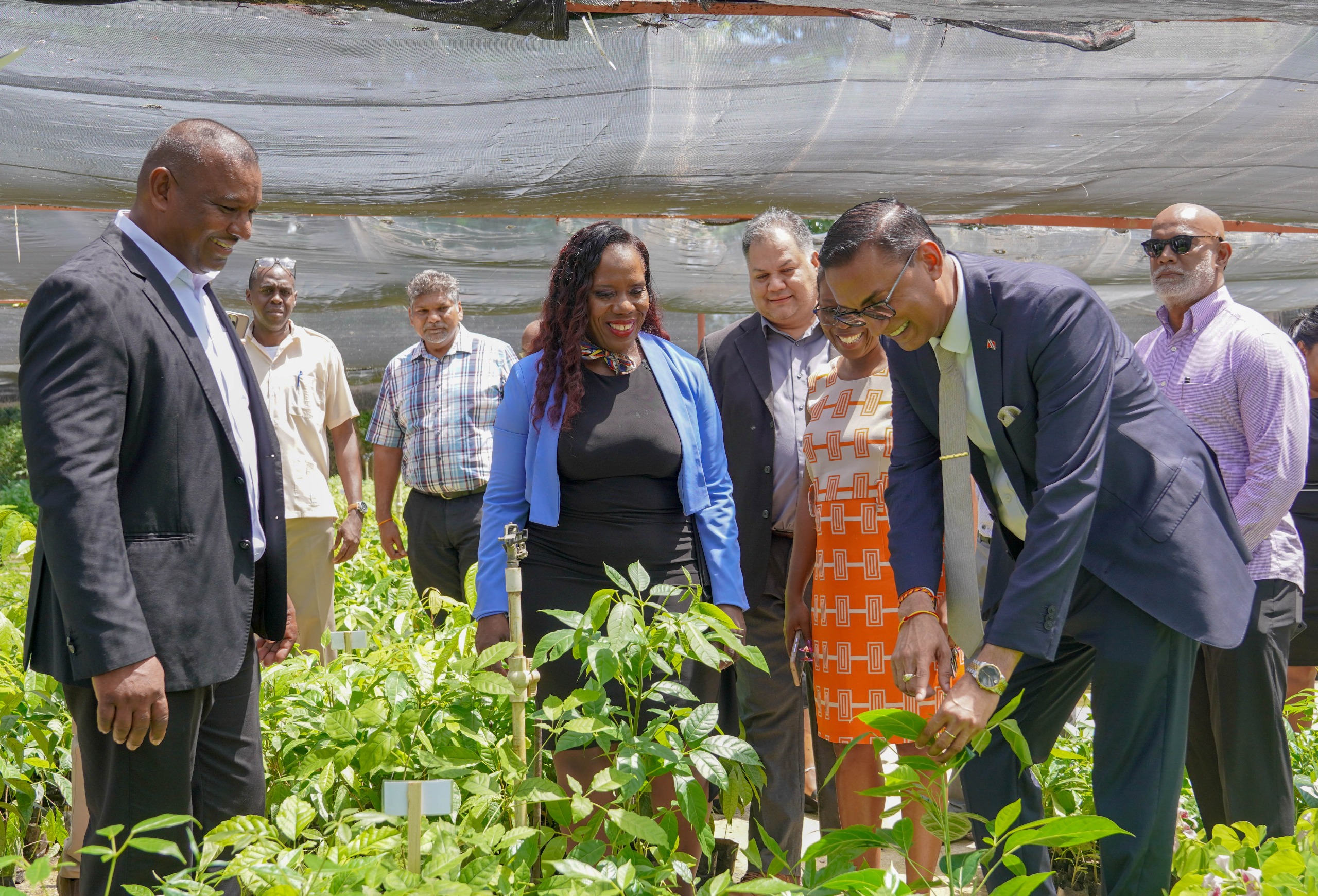
Today, the Ministry of Agriculture and Fisheries launched Releaf TT, a national forest restoration pilot initiative aimed at rehabilitating 102 hectares of land through the planting of more than 236,000 trees through the Forestry Division.
The initiative represents a significant intervention in the restoration of degraded landscapes and the strengthening of Trinidad and Tobago’s natural-resource base, with a focus on ecosystem restoration, biodiversity conservation, climate resilience and sustainable forest management.
Delivering the feature address, Senator the Honourable Ravi Ratiram, Minister of Agriculture and Fisheries, emphasized that Releaf TT represents a broader approach to restoring the ecological systems that support the country’s development.
“Releaf TT is not simply about planting trees. It is about restoring landscapes and rebuilding the natural systems that sustain us,” Minister Ratiram stated.
The programme will employ a science-based approach to forest rehabilitation, incorporating site assessment, species selection, soil and hydrological considerations, silvicultural management, maintenance and long-term monitoring to support the establishment of healthy and functioning forest ecosystems.
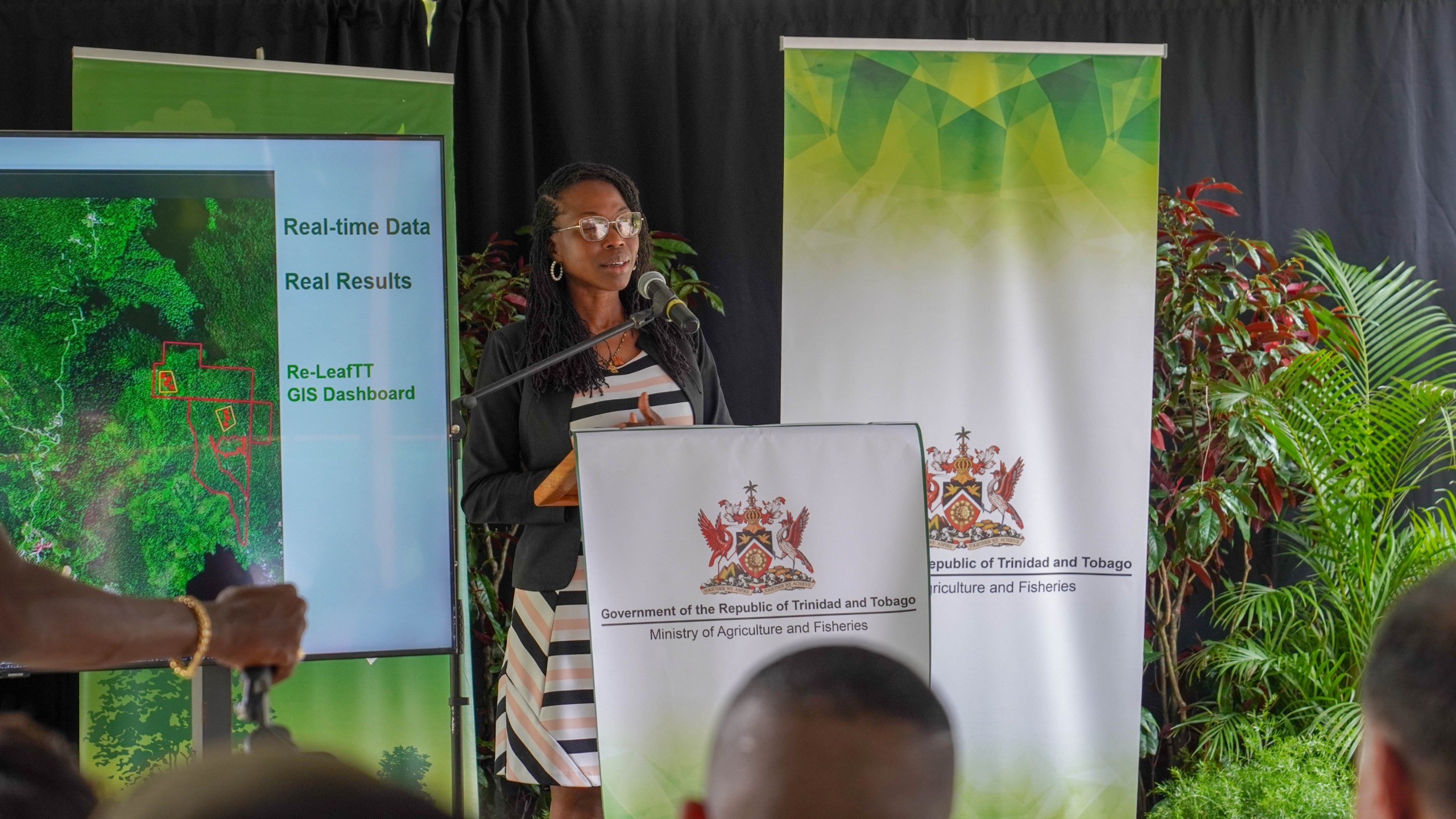
A key innovation of Releaf TT is the deployment of a dedicated digital application to geographically map and record each tree planted. The application will create a digital record of restoration activities, strengthening monitoring and accountability while supporting the use of spatial data to inform forest management and future restoration interventions.
Minister Ratiram noted that the approach reflects the growing importance of connecting conservational stewardship with economic development, particularly as Trinidad and Tobago works to build a more competitive and value-driven agricultural sector.
Remarks were also delivered by the Honourable Khadijah Ameen, Member of Parliament for St. Augustine and Minister of Rural Development and Local Government; Ms. Michelle Anne Thomas, Permanent Secretary, Ministry of Agriculture and Fisheries; Mr. Ameer Roopnarinesingh, Acting Conservator of Forests and Ms. Tricia Melville, Head, Geographic Information Systems (GIS) Unit.
Releaf TT forms part of the Ministry’s broader efforts to modernize forestry management and strengthen national capacity in ecosystem restoration, climate adaptation, biodiversity conservation, digital monitoring and sustainable natural-resource management.
The Ministry of Agriculture and Fisheries will continue to work through the Forestry Division, technical officers, workers, communities and partners to advance the implementation and long-term management of the programme.

END
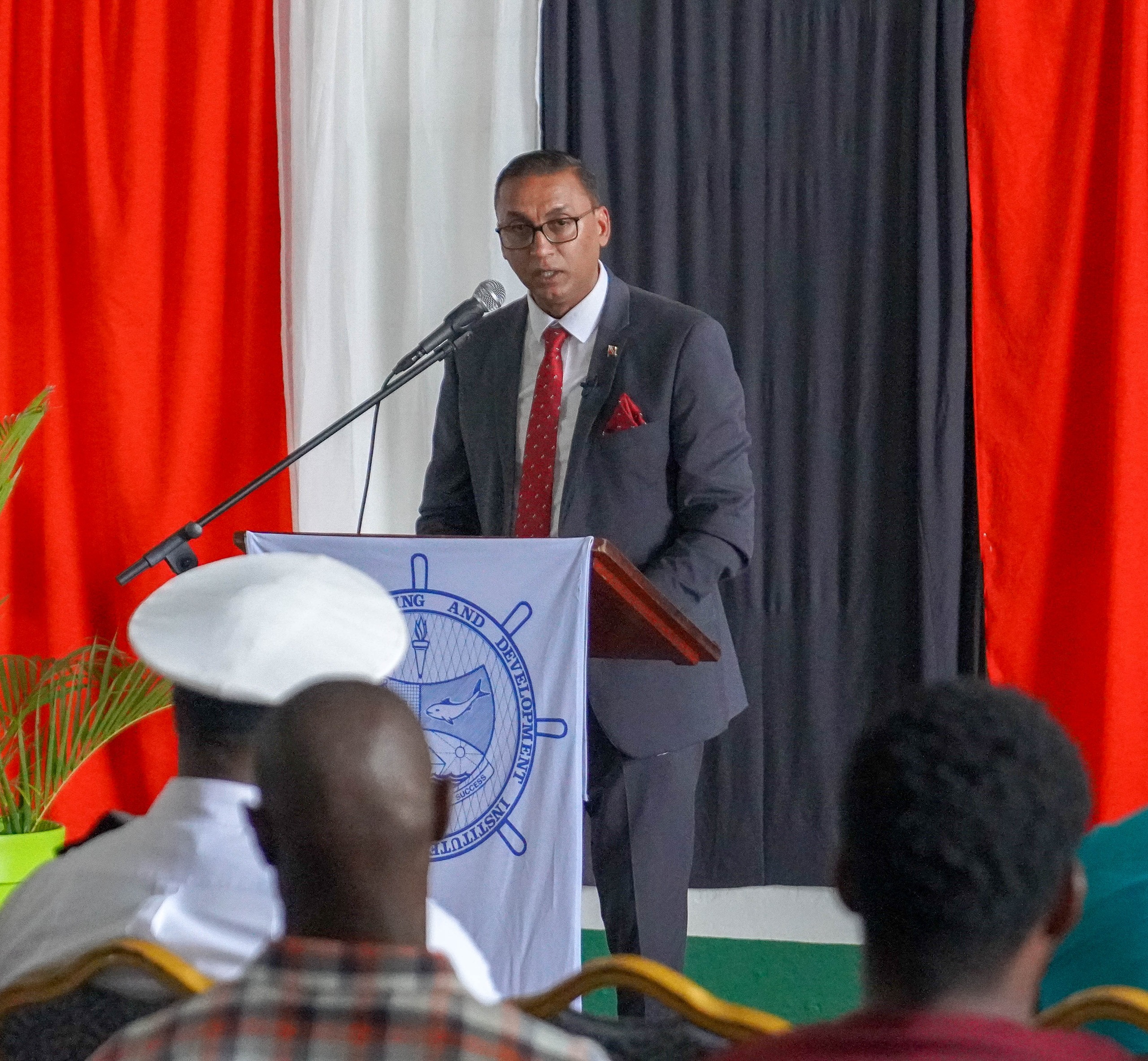
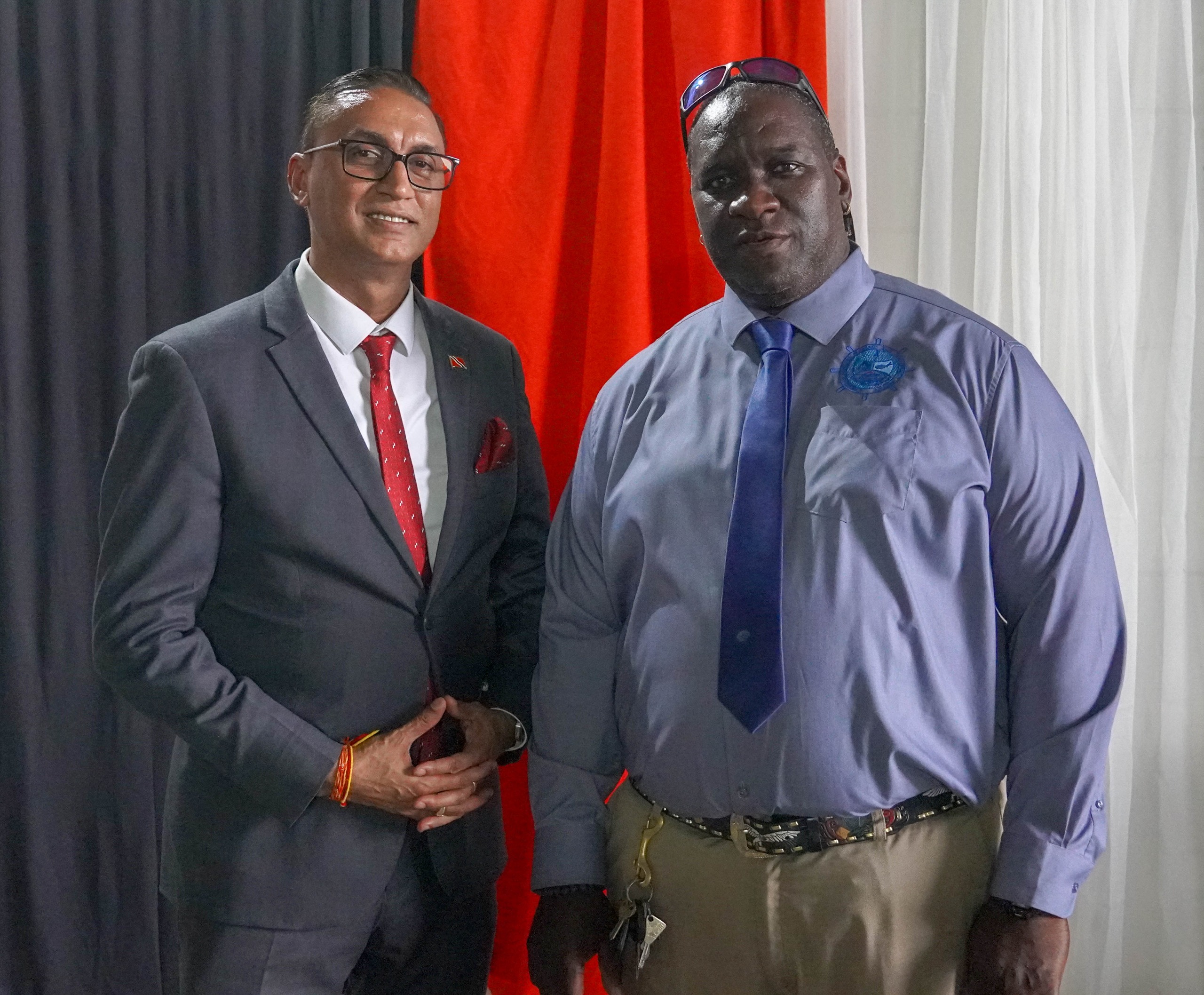
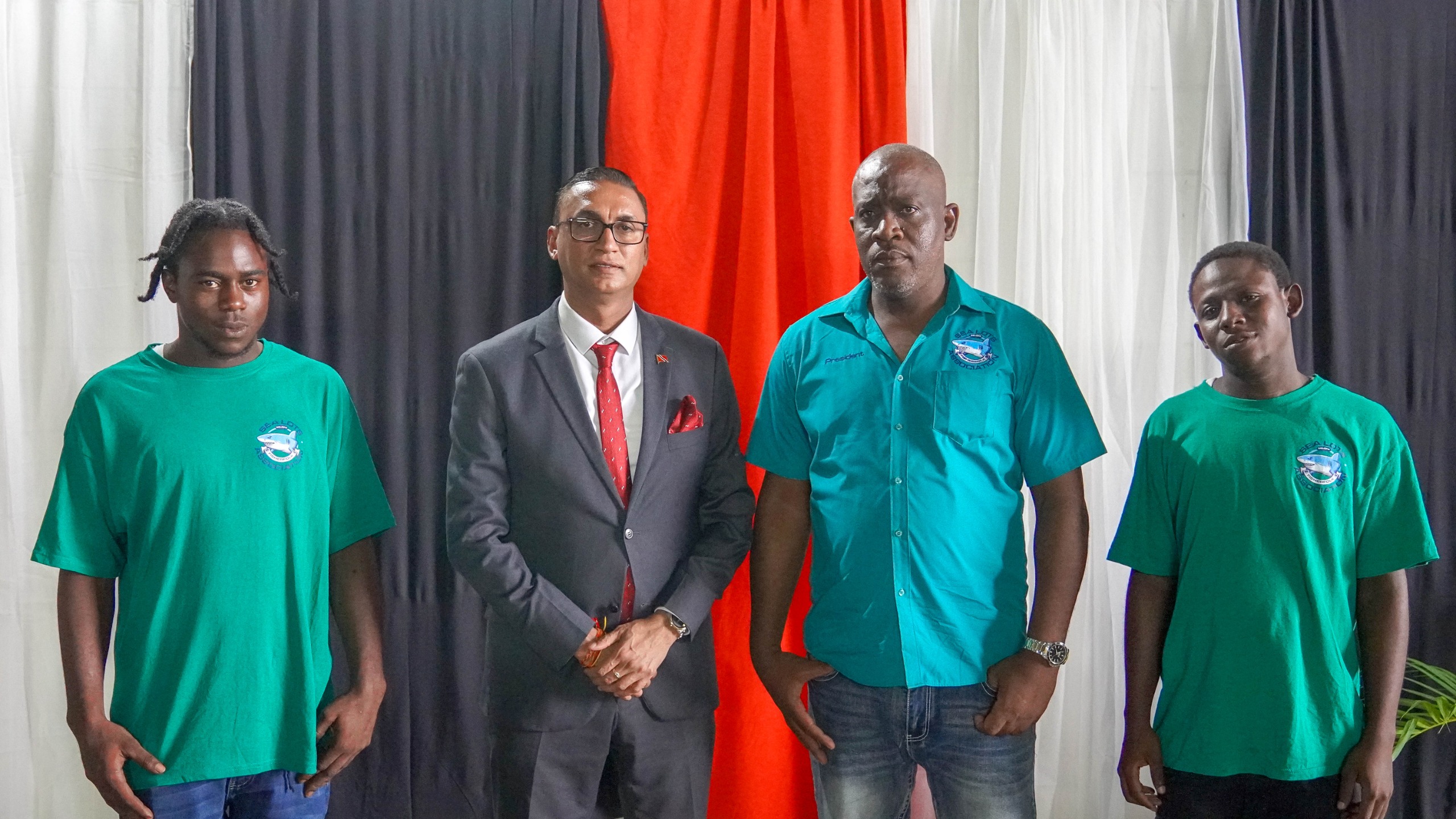
Today, Senator the Honourable Ravi Ratiram, Minister of Agriculture and Fisheries, engaged with participants of the Caribbean Fisheries Training and Development Institute’s (CFTDI) Blue Economy Youth Empowerment Project, as the Ministry continues to support the development of a skilled, innovative and future-ready generation for the fisheries, aquaculture and maritime sectors.
The Minister’s engagement provided an opportunity to hear directly from participants from the communities of Sea Lots, Carenage, Cocorite, Alcan, Blanchisseuse, La Fillette, Las Cuevas and Maracas Bay and to observe how the programme is broadening young people’s understanding of the diverse career, enterprise and skills-development opportunities emerging within the country’s Blue Economy.
In addressing participants, Minister Ratiram said that developing the human capital required to support the sector must be treated as a strategic priority.
“When we invest in our young people, we are investing in the future of our fisheries, our maritime industries and our national economy. The Blue Economy is creating opportunities that go far beyond traditional occupations, and our responsibility is to ensure that young people have the skills, knowledge and confidence to participate, innovate and create sustainable livelihoods.”
The initiative, themed “From Coastlines to Careers: Empowering Youth, Strengthening Communities, Transforming Trinidad and Tobago,” creates space for participants to build upon knowledge and experience that already exist within their families and communities, while gaining exposure to contemporary practices, technologies and opportunities within the sector.
Speaking on her experience as a participant, Kimberly Katwaroo of Maracas Bay said the project has provided her with an opportunity to deepen her understanding of an industry that has been part of her family’s livelihood for generations. Her parents, grandparents and other family members have been involved in fishing, vending, fish processing and operating their own businesses.
Through the CFTDI project, Katwaroo said she has gained knowledge that she can apply within her family’s business, including providing informed advice to her parents and contributing more meaningfully to their operations.
Also sharing his appreciation for the initiative was Julien Edwards, President of the Sea Lots Fisherfolk Association, who thanked the Ministry of Agriculture and Fisheries and CFTDI for providing young people with the opportunity to participate in the programme.
Trinidad and Tobago’s Blue Economy is expanding beyond traditional capture fisheries, creating opportunities across aquaculture, seafood processing, marine services, maritime safety, environmental management and technology-enabled operations. Advances in artificial intelligence, satellite technology, remote sensing, digital mapping and data analytics are further transforming the sector and strengthening resource management, traceability, productivity and decision-making.
The CFTDI Blue Economy Youth Empowerment Project is helping to prepare young people to engage with these emerging opportunities through pathways for employment, entrepreneurship, innovation and value creation. The Ministry of Agriculture and Fisheries remains committed to partnerships that strengthen youth capacity and support the sustainable development of Trinidad and Tobago’s fisheries and wider Blue Economy.





END
The Ministry of Agriculture and Fisheries is advancing measures to strengthen Trinidad and Tobago’s poultry sector and ensure a more secure and reliable supply of eggs and day-old chicks for local farmers.
A key component of this effort is the Ministry’s pursuit of a Public-Private Partnership (PPP) to establish a large-scale poultry breeding and hatchery facility in Trinidad and Tobago. The Expression of Interest for this initiative is currently open.
The proposed facility is intended to produce fertile eggs, breeder stock and day-old chicks locally for both the broiler and layer industries. By developing domestic breeding and hatchery capacity, the Government aims to reduce the sector’s dependence on imported inputs, strengthen biosecurity and food security, conserve foreign exchange, create employment and reduce the risk of disruptions to international supply chains.
The Ministry is also taking steps to manage risks associated with the international poultry supply chain, including the threat posed by Highly Pathogenic Avian Influenza (HPAI).
In addition to the United States, the Netherlands has been approved as an additional source for the supply of hatching eggs and live chicks.
The presence of avian influenza in a country does not automatically result in a blanket prohibition on all imports from that country. Trinidad and Tobago applies science-based, risk-based measures aligned with the standards of the World Organization for Animal Health (WOAH), including zoning arrangements that allow imports from approved disease-free areas, subject to the applicable veterinary and biosecurity requirements.
This approach allows the Ministry to balance the need to protect Trinidad and Tobago’s animal health status with the need to maintain a dependable supply of poultry inputs for local farmers.
The Ministry recognizes that increasing the number of egg farms alone will not necessarily eliminate shortages.
A stable domestic egg supply depends on the strength of the entire poultry value chain, including access to quality layer chicks, feed and feed ingredients, suitable housing, reliable water and electricity, veterinary services, biosecurity, financing, labour, transportation, packaging and stable markets.
Accordingly, the Ministry is focused on strengthening the systems that support sustainable growth throughout the sector.
The proposed breeding and hatchery facility is expected to form an important part of this vision by providing domestic breeder capacity for both the broiler and layer industries, modern hatchery infrastructure, enhanced biosecurity and traceability, and opportunities to develop local technical expertise.
The Ministry will continue to support the planned and sustainable development of the local egg industry, informed by reliable national production and consumption data as it moves to strengthen local production, reduce vulnerabilities in the poultry supply chain and ensure that Trinidad and Tobago’s farmers have more reliable access to the inputs they need to supply consumers.
END
The Ministry of Agriculture and Fisheries is aware of concerns being expressed in the public domain regarding the availability of chicken and wishes to assure the public that the Government is closely monitoring the situation and engaging with stakeholders across the poultry sector.
The current tightening of poultry supply is being influenced by a combination of factors, rather than by a fundamental shortage of production capacity.
Local weather conditions have also placed significant pressure on poultry production. The exceptionally hot conditions being experienced in Trinidad and Tobago have required farmers to implement additional heat-management measures and, in some cases, reduce the number of birds placed on farms.
The Ministry emphasizes that temporary reductions in placement are a prudent measure to protect bird welfare, maintain healthy growth and minimize heat-related losses. Farmers operating at normal stocking levels under extreme heat conditions could face increased mortality and reduced production. As weather conditions improve, along with the intervention of modern husbandry practices, placement levels are expected to return to normal.
The Ministry has been advised that chicken remains available to consumers, although some consumers may experience temporary difficulty obtaining their usual quantities at particular retail outlets.
Based on current hatchery projections provided to the Ministry, an increase in chick availability is expected over the next two weeks. These additional chicks will subsequently move through the normal production cycle, with poultry supplies expected to progressively increase and return to full levels approximately three weeks thereafter.
The Ministry therefore expects the current situation to improve over the coming weeks.
The Ministry is continuing to monitor local production, hatchery output, imports, weather conditions and other factors affecting the poultry supply chain. We are also maintaining dialogue with poultry producers and other industry stakeholders to ensure that emerging challenges are identified and addressed in a timely manner.
The Ministry recognizes the importance of poultry to food and nutrition security and remains committed to supporting the local poultry sector while ensuring that consumers have access to a stable and reliable supply.
END
Senator the Honourable Ravi Ratiram, Minister of Agriculture and Fisheries, has welcomed the launch of the Agricultural Development Bank TobaGrow Loan Facility as an important intervention to expand access to financing and unlock greater opportunities for farmers, fisherfolk and agribusiness operators in Tobago.
Addressing stakeholders at the launch held today in Tobago, Minister Ratiram said access to affordable and responsive financing must form a critical part of the country’s agricultural transformation agenda.
“TobaGrow represents far more than access to credit. It represents confidence in Tobago’s producers. Confidence in Tobago’s entrepreneurs. Confidence in Tobago’s ability to become an even stronger contributor to national food security and economic growth,” the Minister said.
Minister Ratiram noted that access to capital continues to be one of the major constraints affecting farmers, fisherfolk and agribusiness operators, particularly where investment is required for equipment, processing facilities, working capital and expansion, as such, the launch of TobaGrow represents a deliberate response to these financing challenges and forms part of the Ministry of Agriculture and Fisheries broader efforts to create an enabling environment for increased agricultural production, enterprise development and investment.
Minister Ratiram commended the Board of Directors of the Agricultural Development Bank for approving the facility and for recognizing the distinct financing needs of Tobago’s agricultural sector. He also acknowledged the Tobago House of Assembly for its collaboration in bringing the initiative to fruition, noting that the partnership demonstrates the value of coordinated institutional action in delivering practical solutions for agricultural stakeholders.
Minister Ratiram encouraged Tobago’s farmers, fisherfolk, processors and agricultural entrepreneurs to utilize the opportunities available through TobaGrow to expand their enterprises and strengthen their contribution to the agricultural economy.
Minister Ratiram reaffirmed the Ministry’s commitment to continued collaboration with the ADB, THA and other stakeholders to remove barriers to agricultural development, improve service delivery and create greater opportunities for investment and enterprise development.
The TobaGrow Loan Facility represents a further step towards strengthening the financing ecosystem for Tobago’s agricultural sector while supporting the Ministry’s wider agenda to build a resilient, productive and commercially competitive agricultural economy.
END
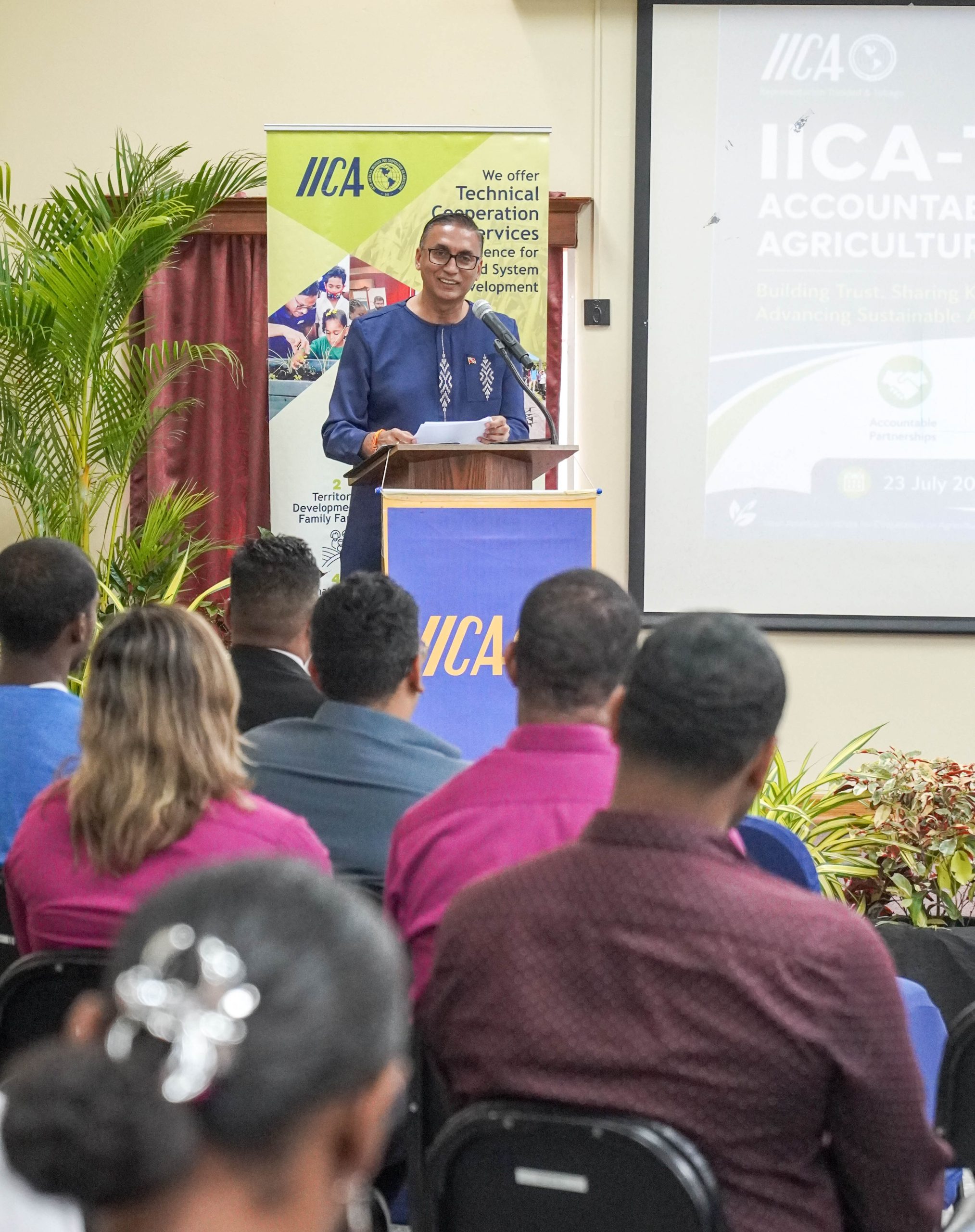
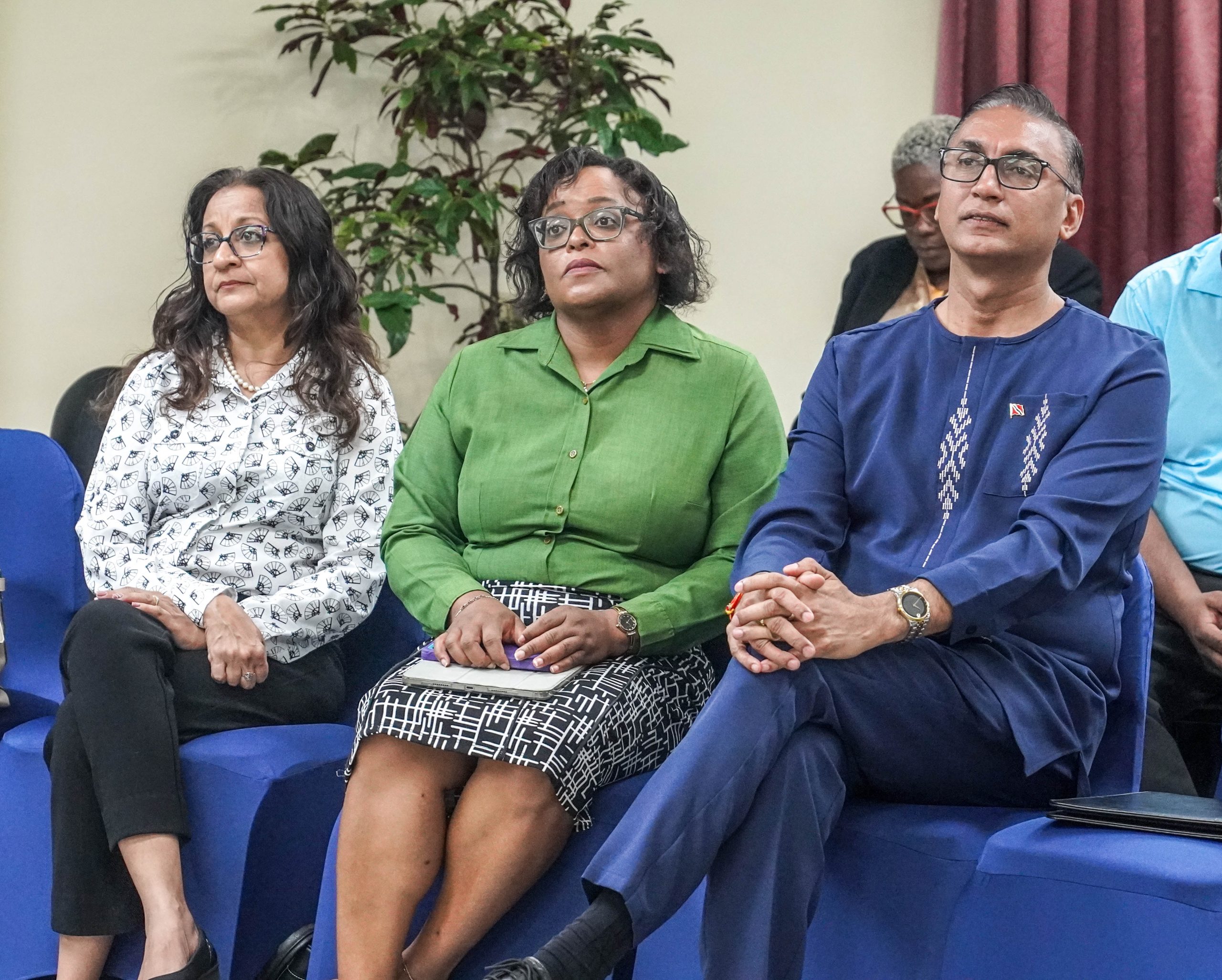
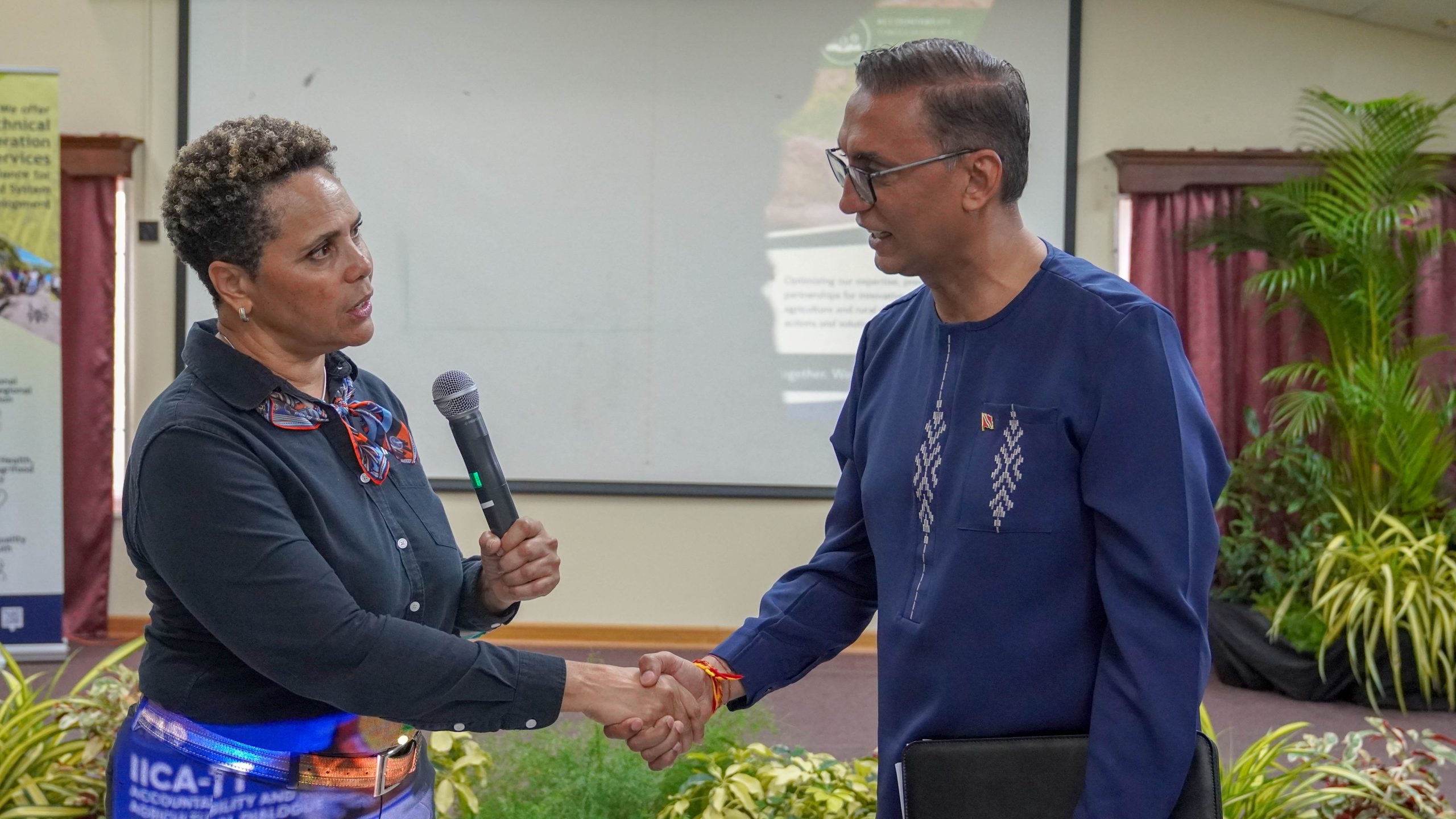
Senator the Honourable Ravi Ratiram, Minister of Agriculture and Fisheries, has reaffirmed the Ministry of Agriculture and Fisheries commitment to strengthening its longstanding partnership with the Inter-American Institute for Cooperation on Agriculture (IICA) to accelerate agricultural transformation, strengthen food security and build a more resilient and competitive agrifood sector.
Speaking at the IICA Accountability and Agricultural Dialogue 2026 at the Sugar Cane Feed Centre, Longdenville, Minister Ratiram underscored the importance of strategic partnerships in advancing innovation, climate resilience and sustainable agricultural development.
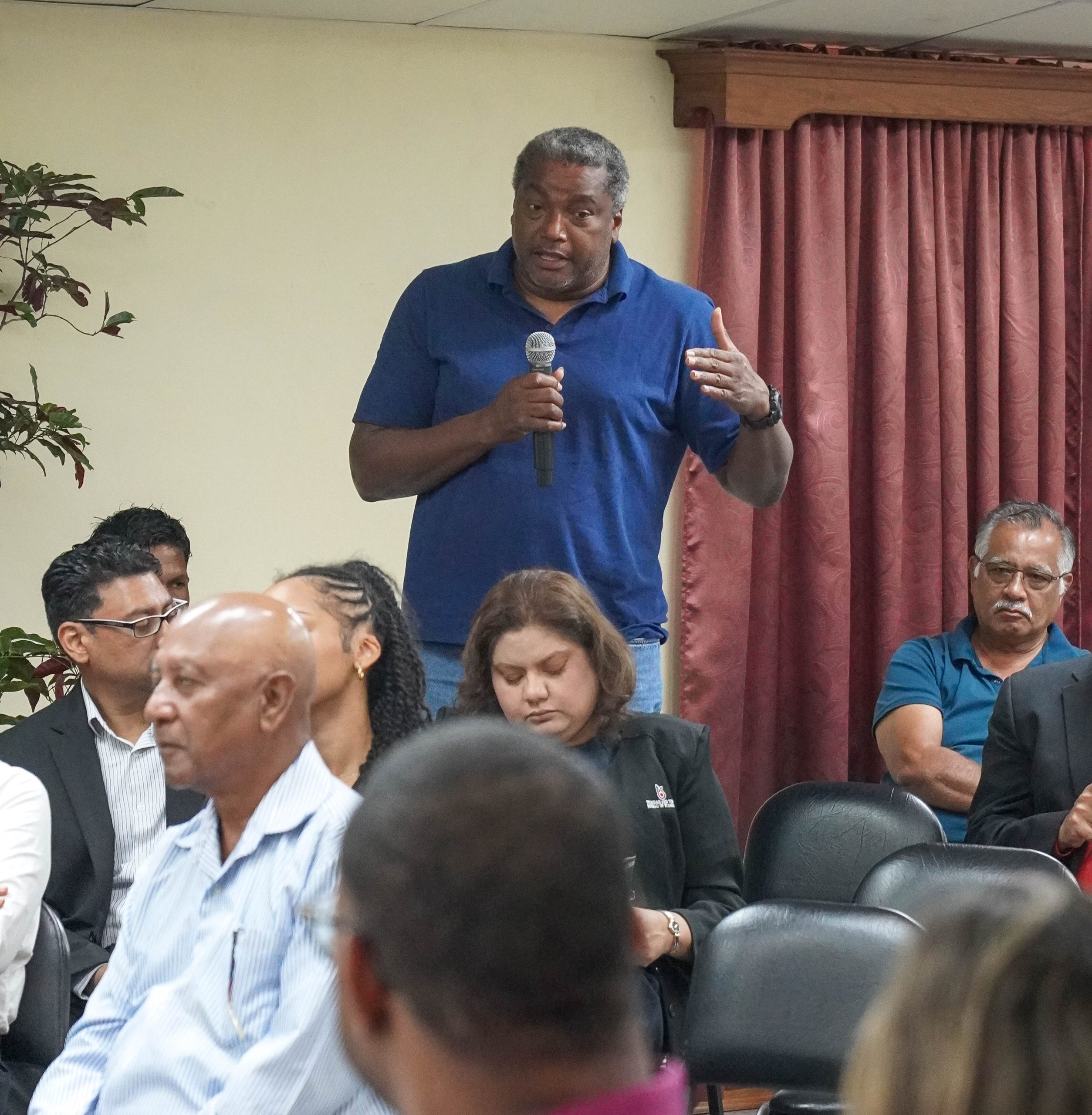
The annual dialogue brought together government officials, development partners, academia, producer organizations, agribusinesses and other stakeholders to review IICA’s technical cooperation achievements over the past year and identify priorities for strengthening Trinidad and Tobago’s agricultural sector.
The Minister highlighted the Ministry’s longstanding collaboration with IICA across key areas including climate-smart agriculture, agricultural innovation, digital transformation, food safety, biosecurity, agribusiness development and producer capacity building, noting that these initiatives directly support the Government’s priorities of increasing domestic food production, reducing dependence on food imports and enhancing the resilience of the national agrifood system.
Minister Ratiram also recognized IICA’s technical support in strengthening agricultural health and sanitary and phytosanitary systems, promoting science and innovation, facilitating knowledge exchange and supporting agricultural micro, small and medium enterprises through regional initiatives aimed at improving competitiveness and expanding market opportunities.
“The Ministry’s partnership with IICA is one of our most significant international technical collaborations. Together, we are building an agricultural sector that is productive, resilient, climate-smart and globally competitive. Through continued collaboration, innovation and shared purpose, we are strengthening food security, creating new opportunities for our farmers and positioning agriculture as a key driver of sustainable national development,” Minister Ratiram said.
The Ministry reaffirms its commitment to deepening its strategic partnership with IICA in areas such as precision agriculture, climate adaptation, digital technologies, agricultural financing, export certification and value-chain development as the Ministry continues to modernize the sector and improve the livelihoods of farmers and fisherfolk.
END


