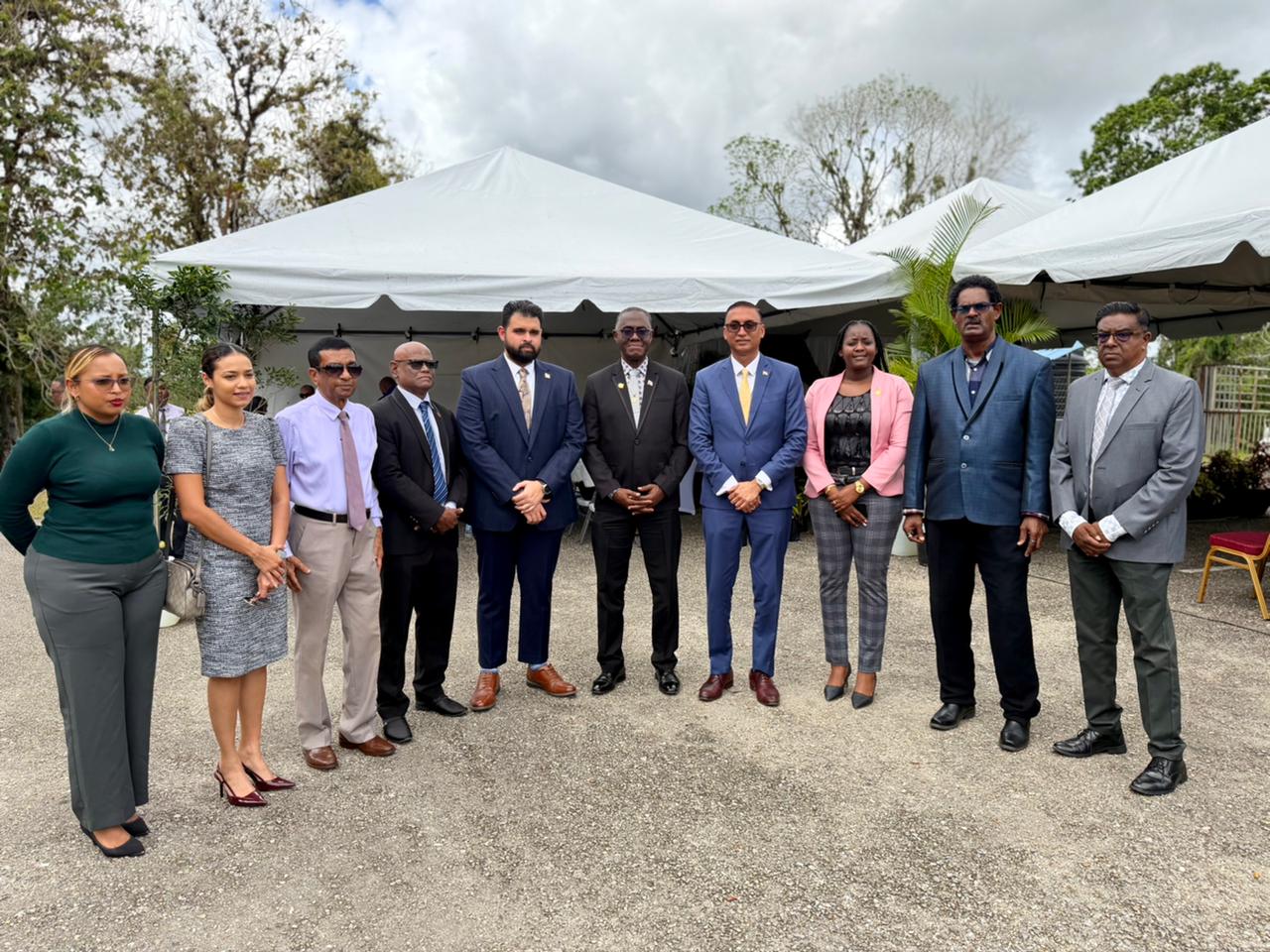
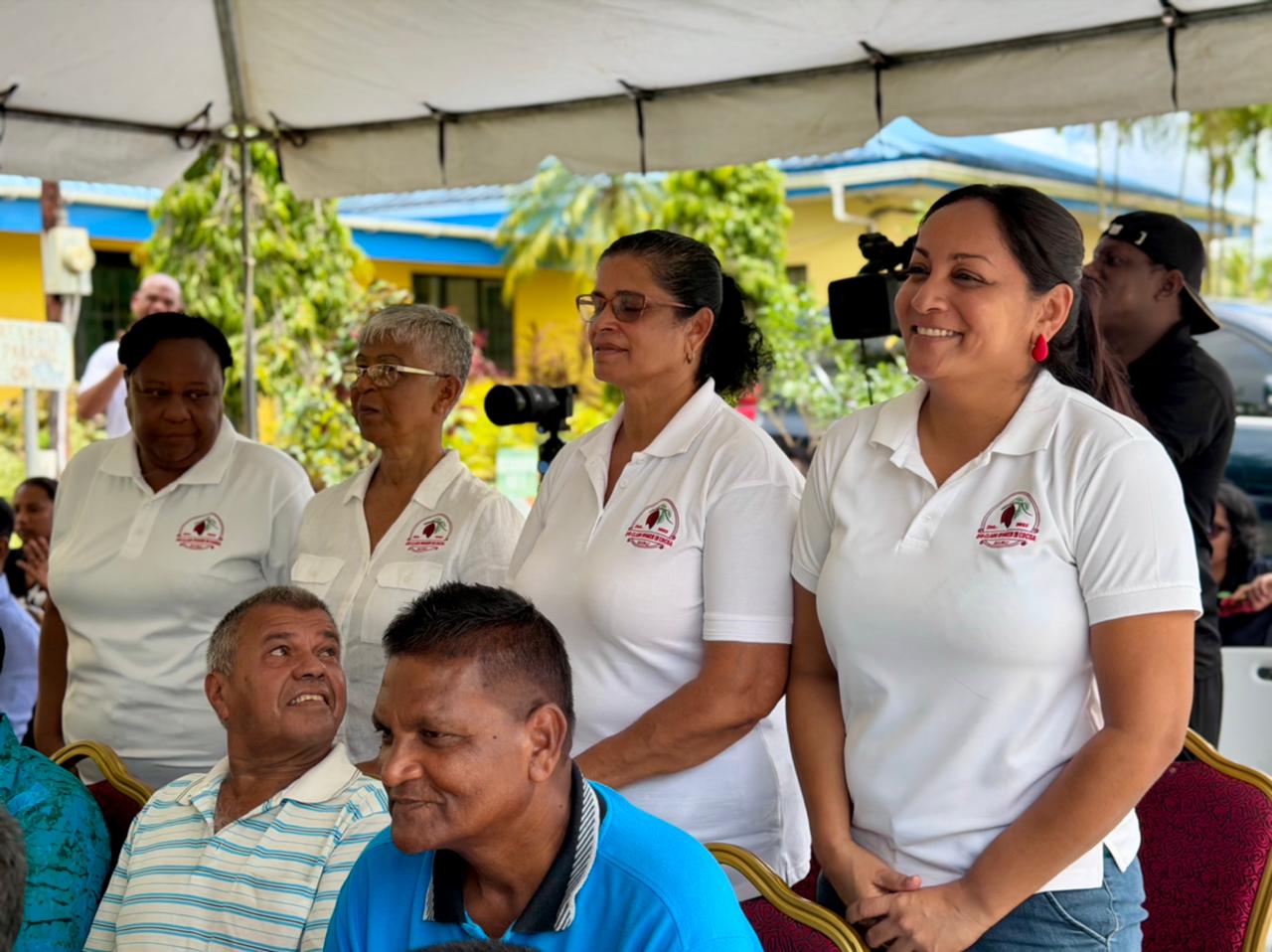
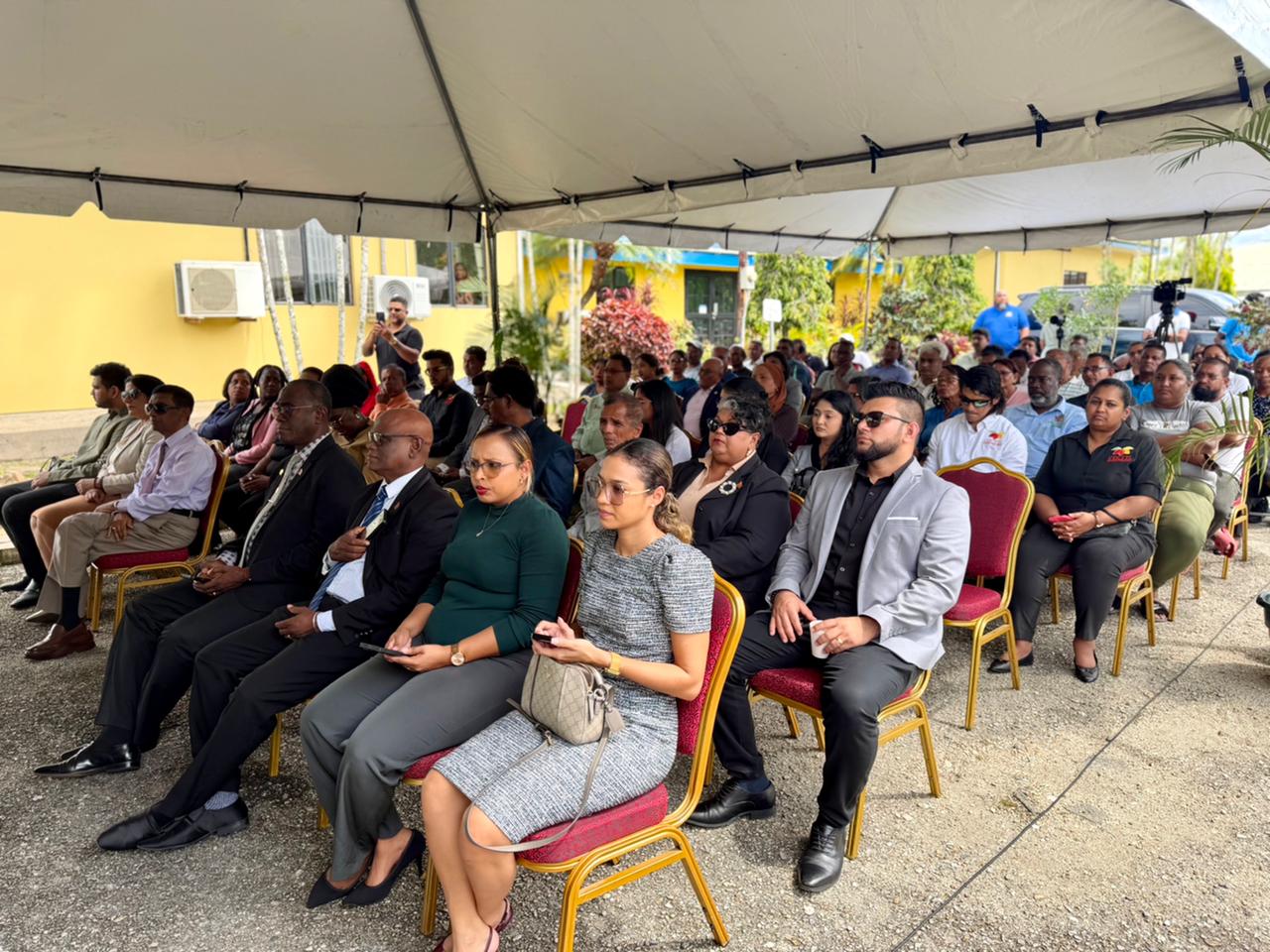
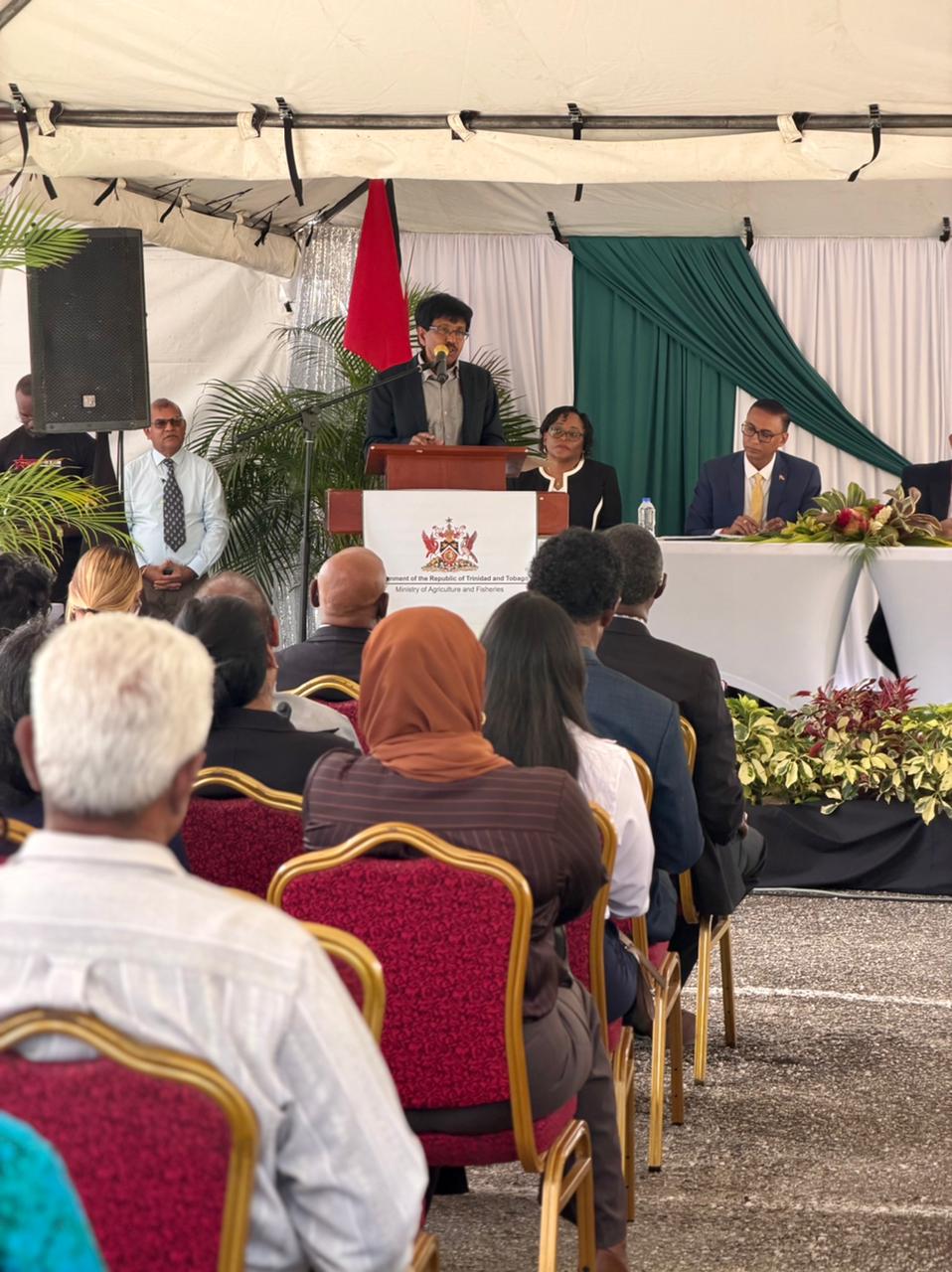
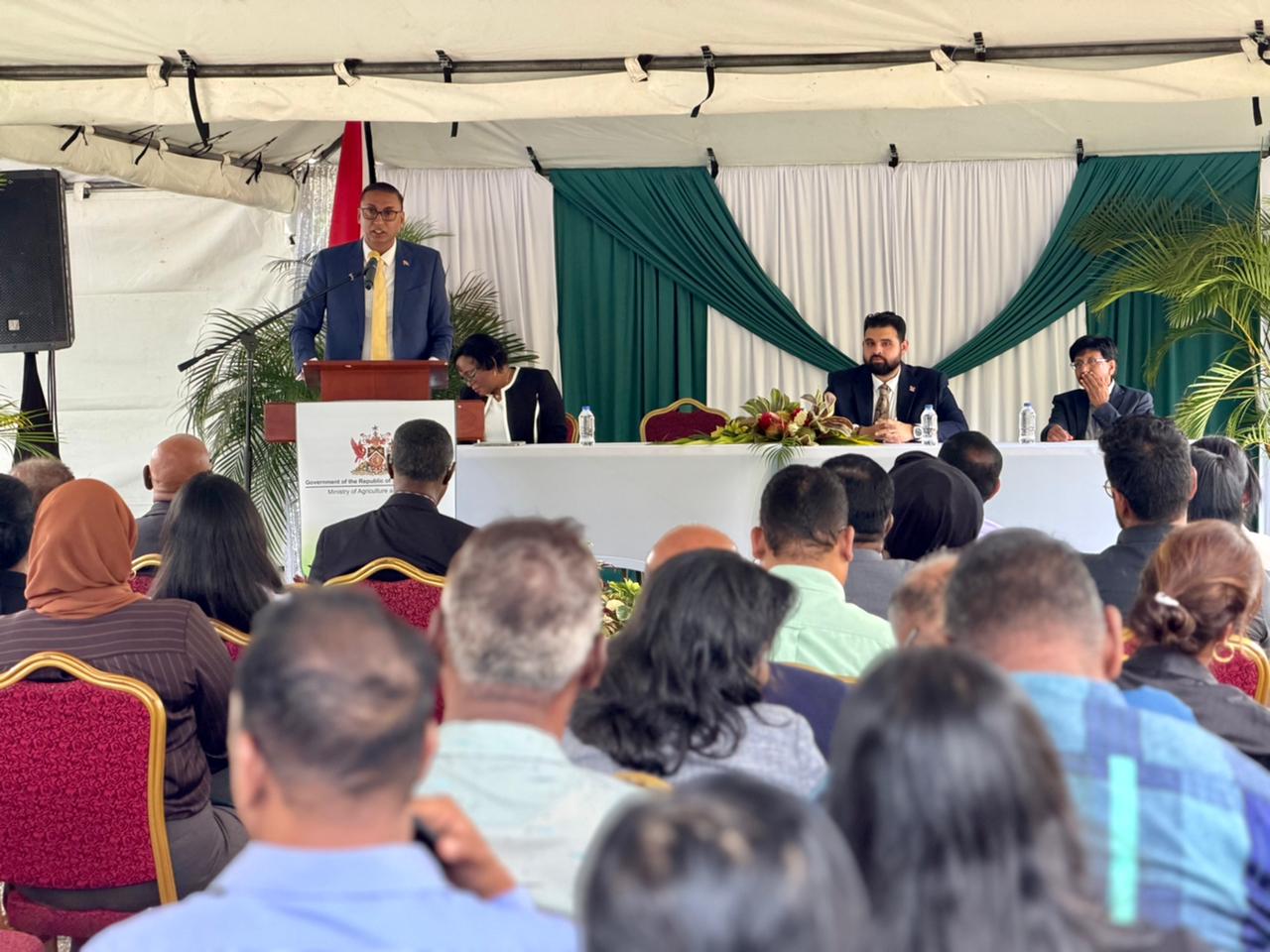
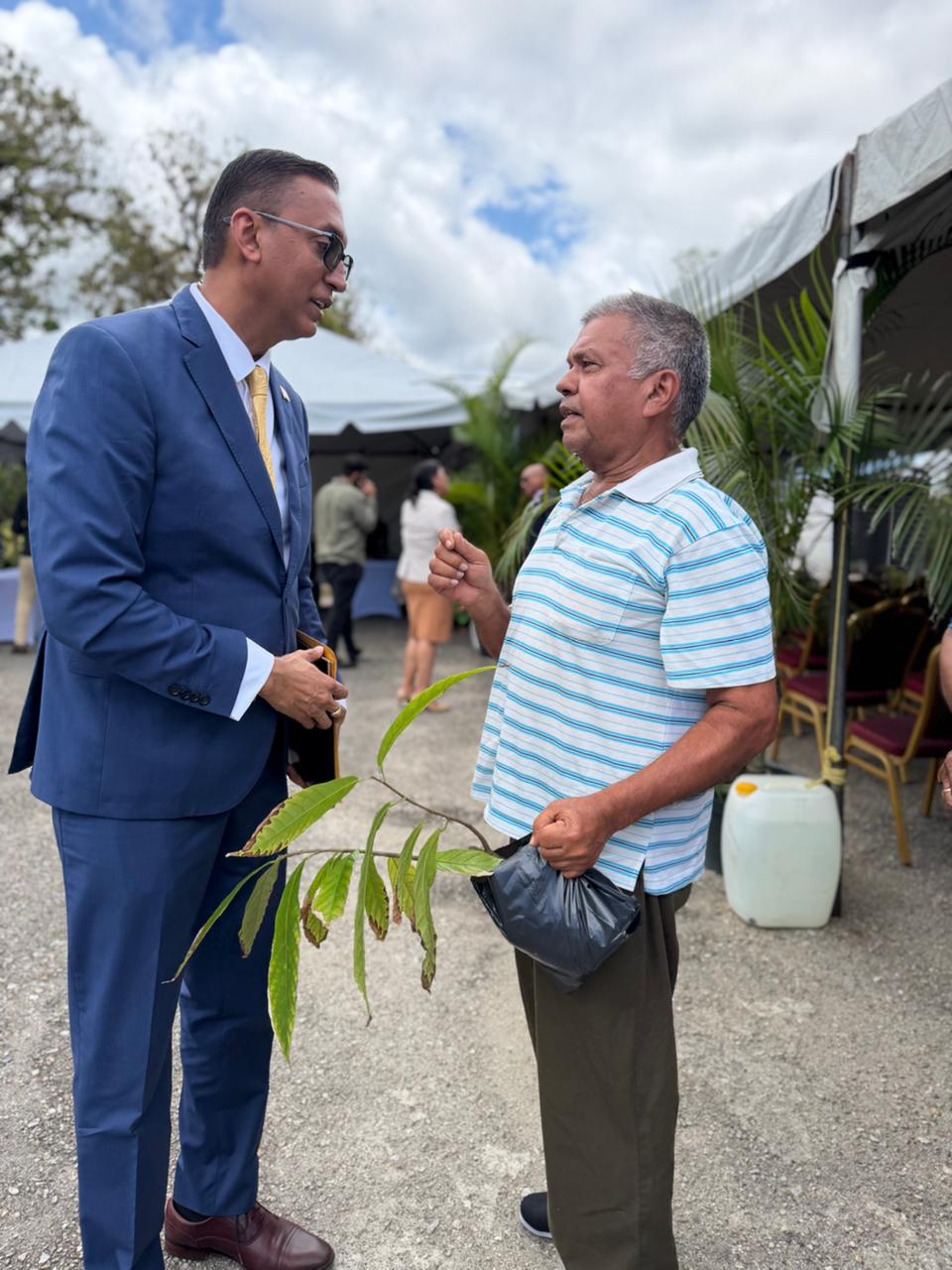
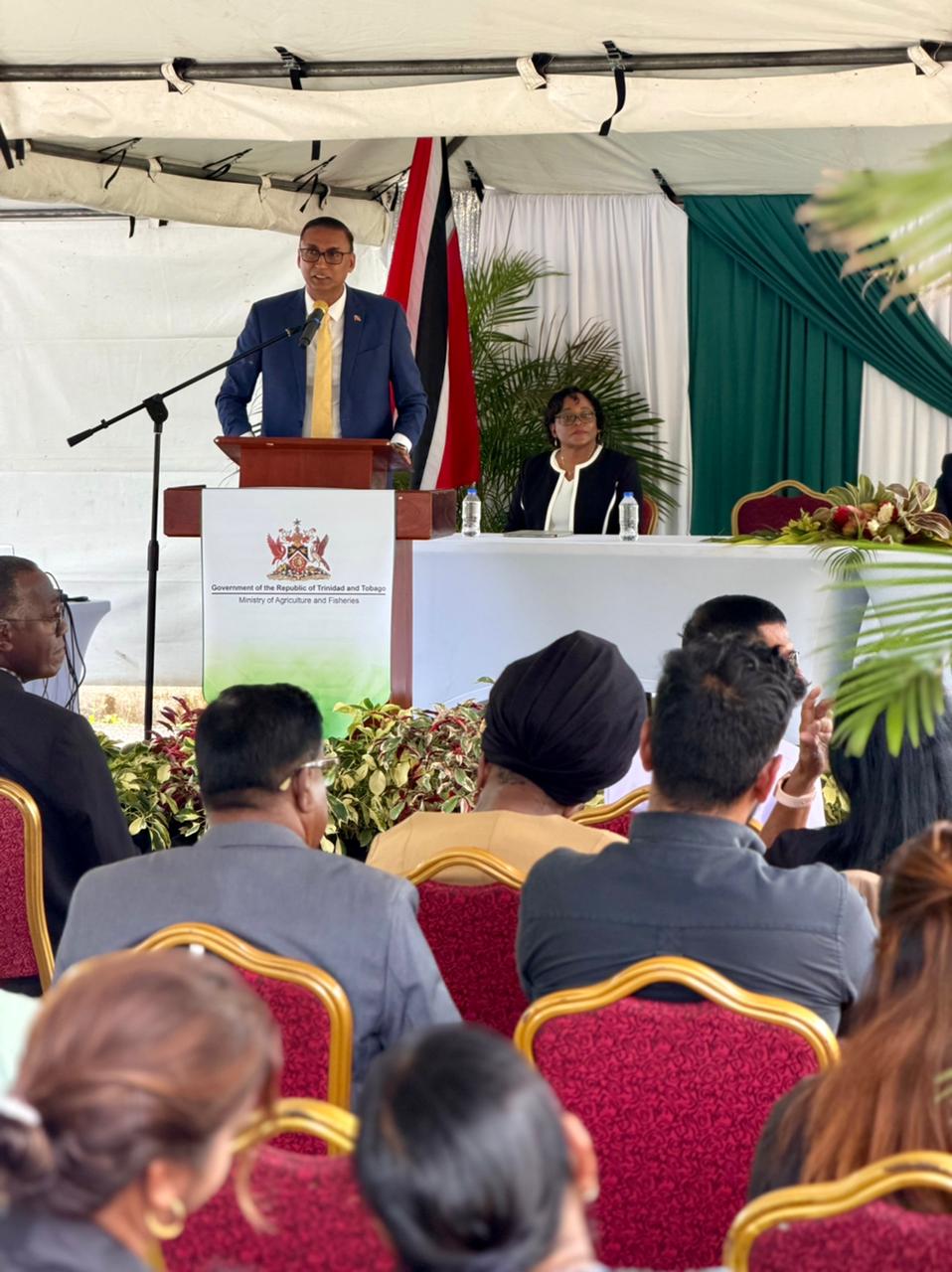
April 22, 2026:- On April 21, 2026, the Ministry of Agriculture and Fisheries formally launched the Cocoa and Coffee Steering Committee at the Rio Claro Demonstration Station, marking a significant step toward strengthening governance, enhancing value chain coordination, and accelerating the sustainable development of Trinidad and Tobago’s cocoa and coffee industries.
The establishment of the Steering Committee represents a strategic policy intervention designed to align institutional efforts, eliminate fragmentation, and drive a coherent, results-oriented approach to sectoral development. The Committee will function as a high-level coordination and oversight mechanism, bringing together key public sector agencies, research institutions, financial bodies, and industry stakeholders to guide the implementation of targeted initiatives across the cocoa and coffee value chains.
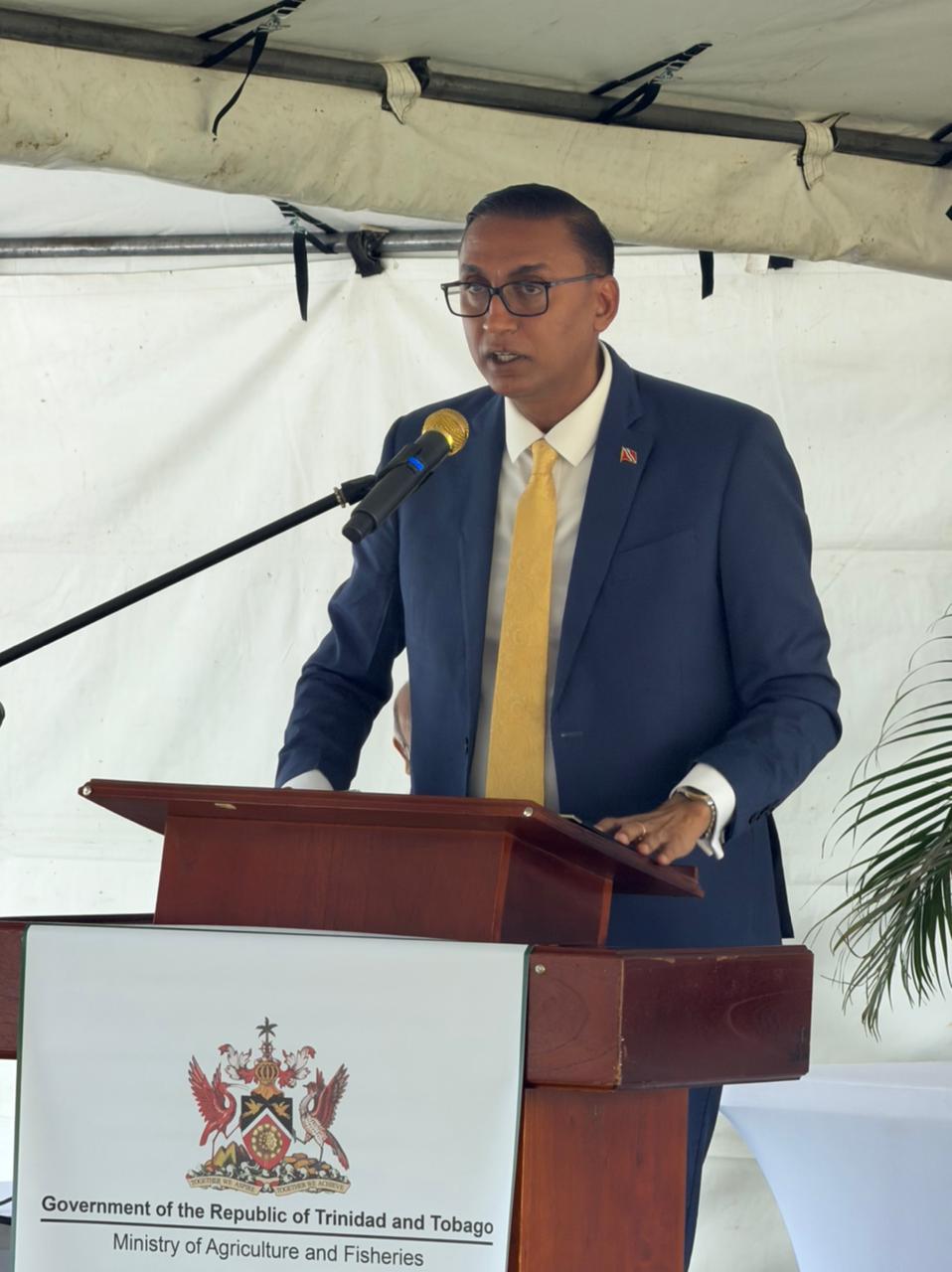
In delivering remarks, Senator the Honourable Ravi Ratiram, Minister of Agriculture and Fisheries, underscored the critical importance of structured governance in unlocking the full economic potential of these sectors.
The Minister further emphasized that the initiative aligns with the Ministry’s broader agenda to reposition agriculture as a viable engine of economic diversification, rural development, and foreign exchange generation. Particular focus will be placed on increasing productivity through farm rehabilitation and improved agronomic practices, strengthening post-harvest quality systems, expanding value-added processing, and enhancing market access through branding, certification, and traceability systems.
The Honourable Nicholas Morris, Minister in the Office of the Prime Minister and Member of Parliament for Mayaro, was also in attendance, along with Chief Technical Officer Dr. Michelle Mellowes, Ministry of Agriculture and Fisheries and Professor Pathmanathan Umaharan of the Cocoa Research Centre, among other key stakeholders.
The Steering Committee will also oversee the development and implementation of a comprehensive sector action plan, incorporating measurable performance indicators, defined timelines, and clear institutional responsibilities.
In addition to strengthening domestic production systems, the initiative seeks to leverage emerging global demand for premium, ethically sourced, and sustainably produced cocoa and coffee. Trinidad and Tobago’s positioning within the fine/flavour cocoa category provides a competitive advantage that the Ministry intends to fully capitalize on through strategic partnerships, innovation, and targeted investments.
The Ministry reaffirmed its commitment to working closely with all stakeholders to ensure the successful implementation of this initiative and to drive long-term growth and resilience within the sector.


END
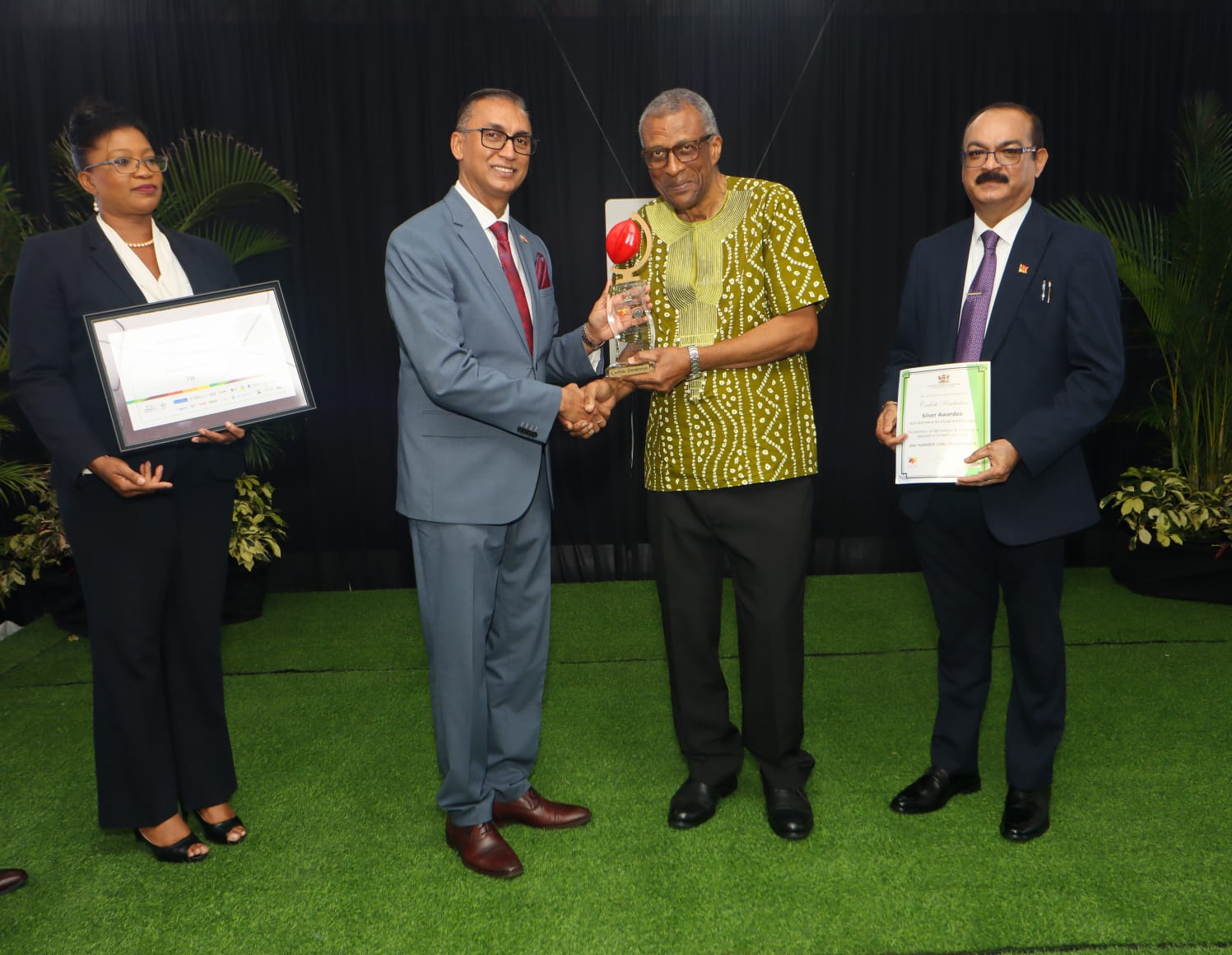
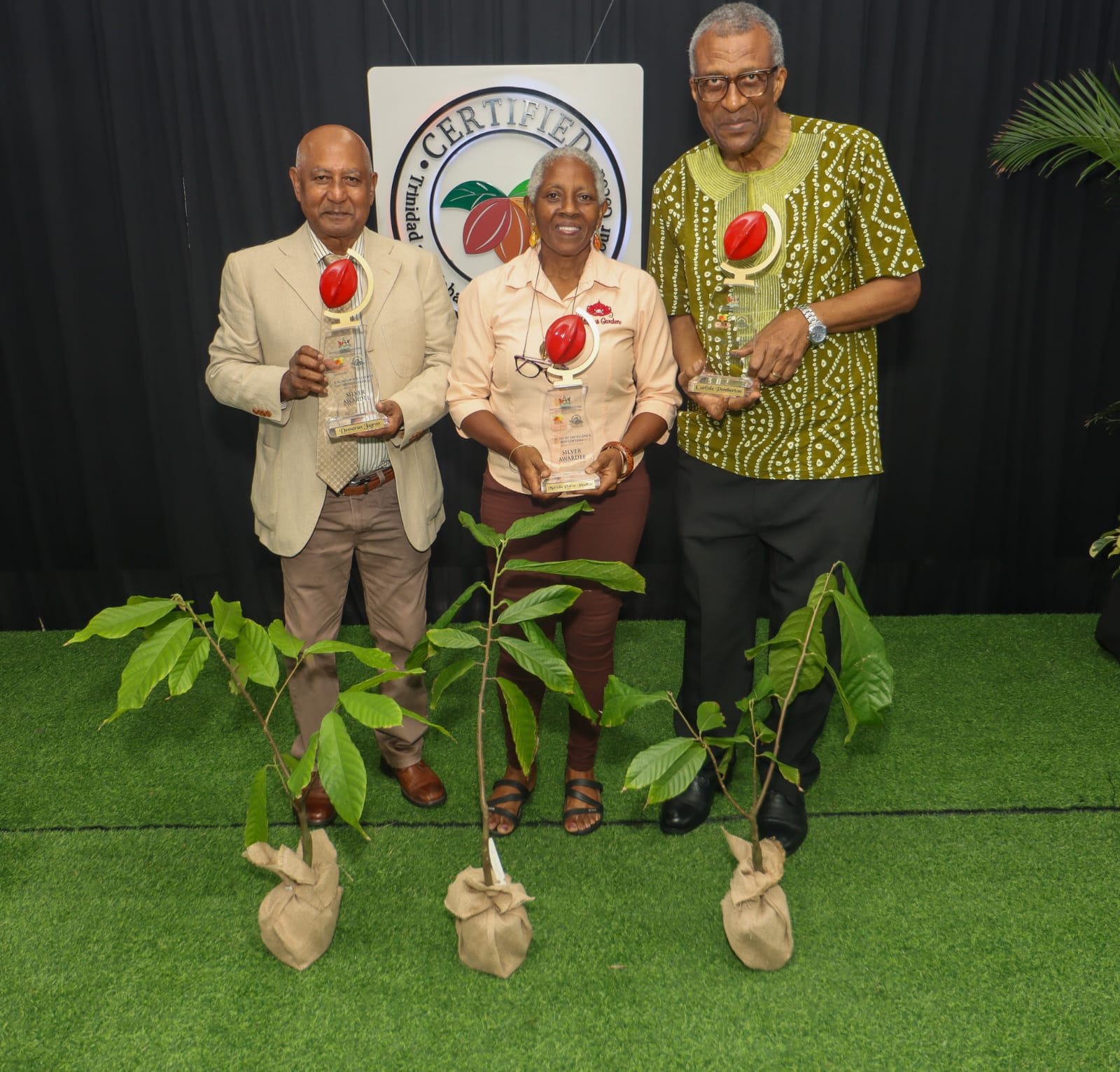
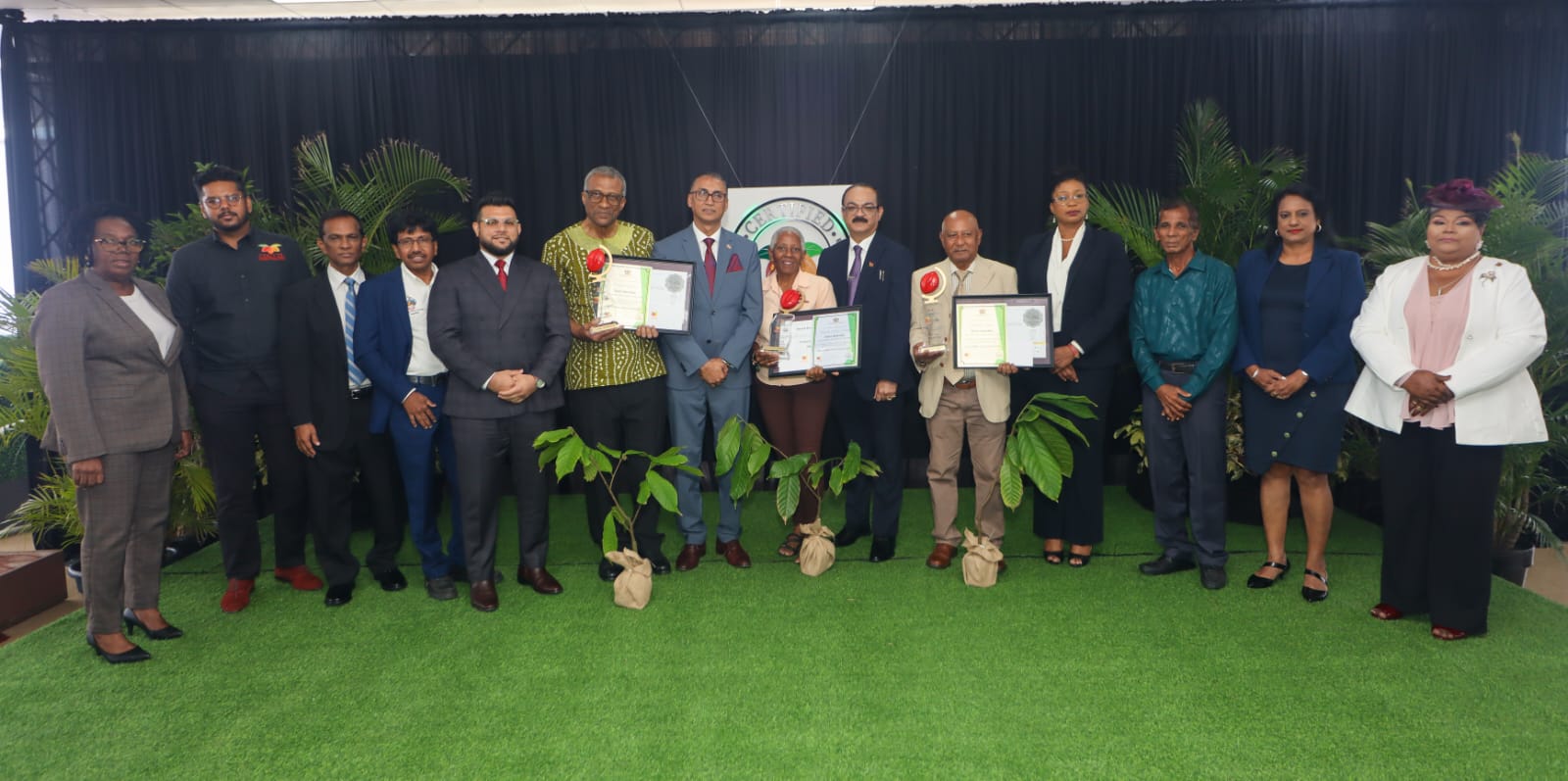
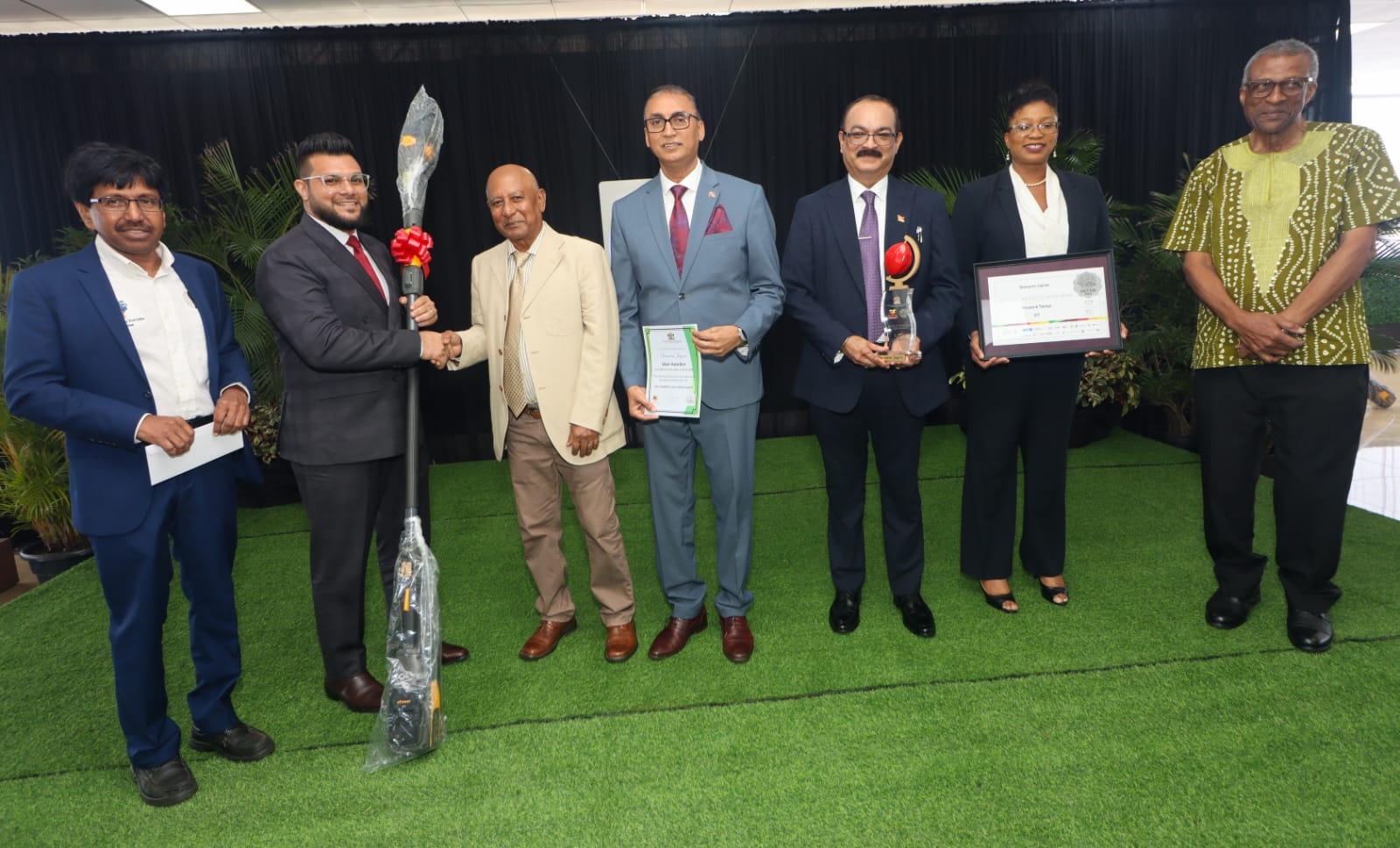
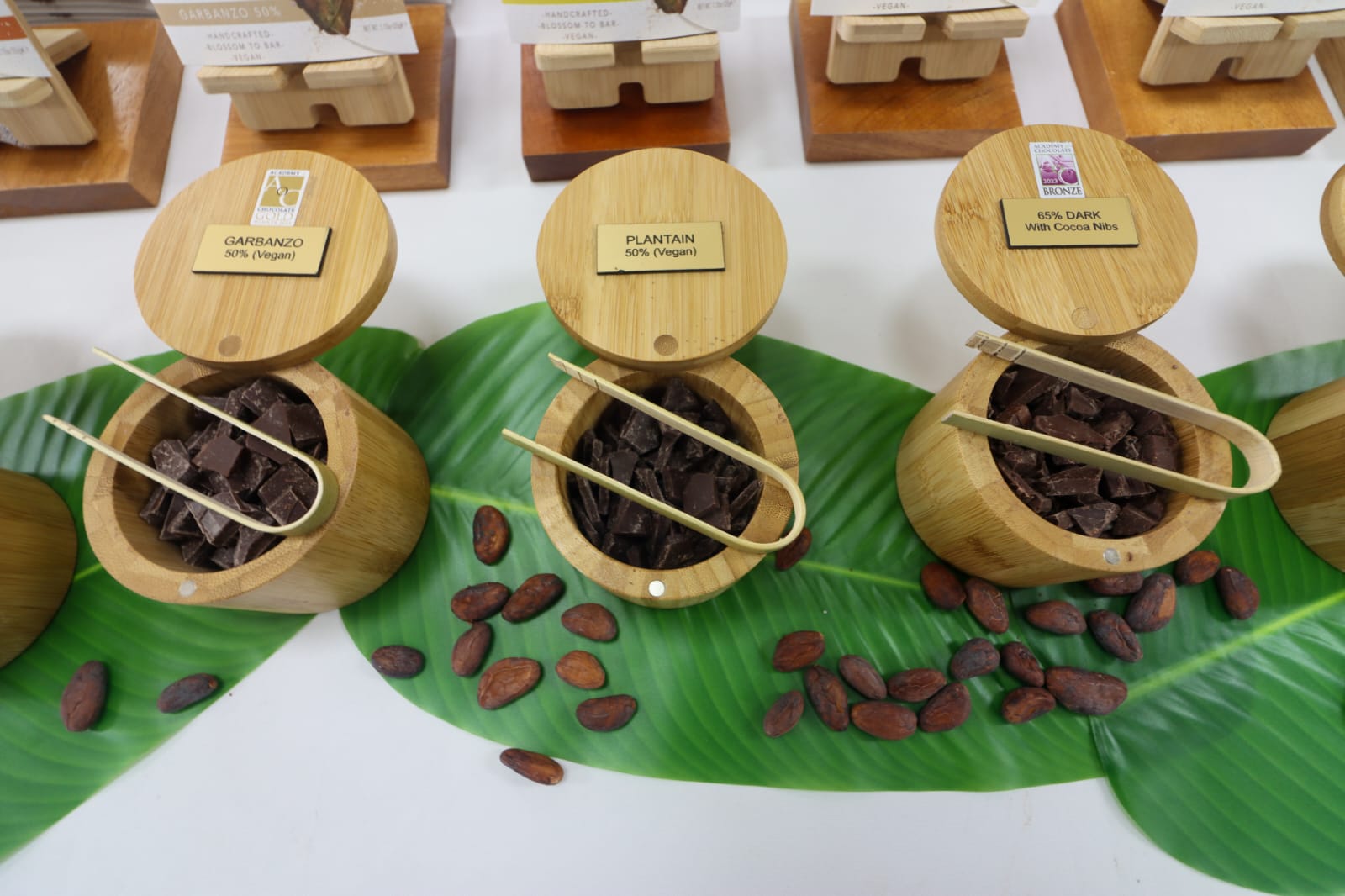
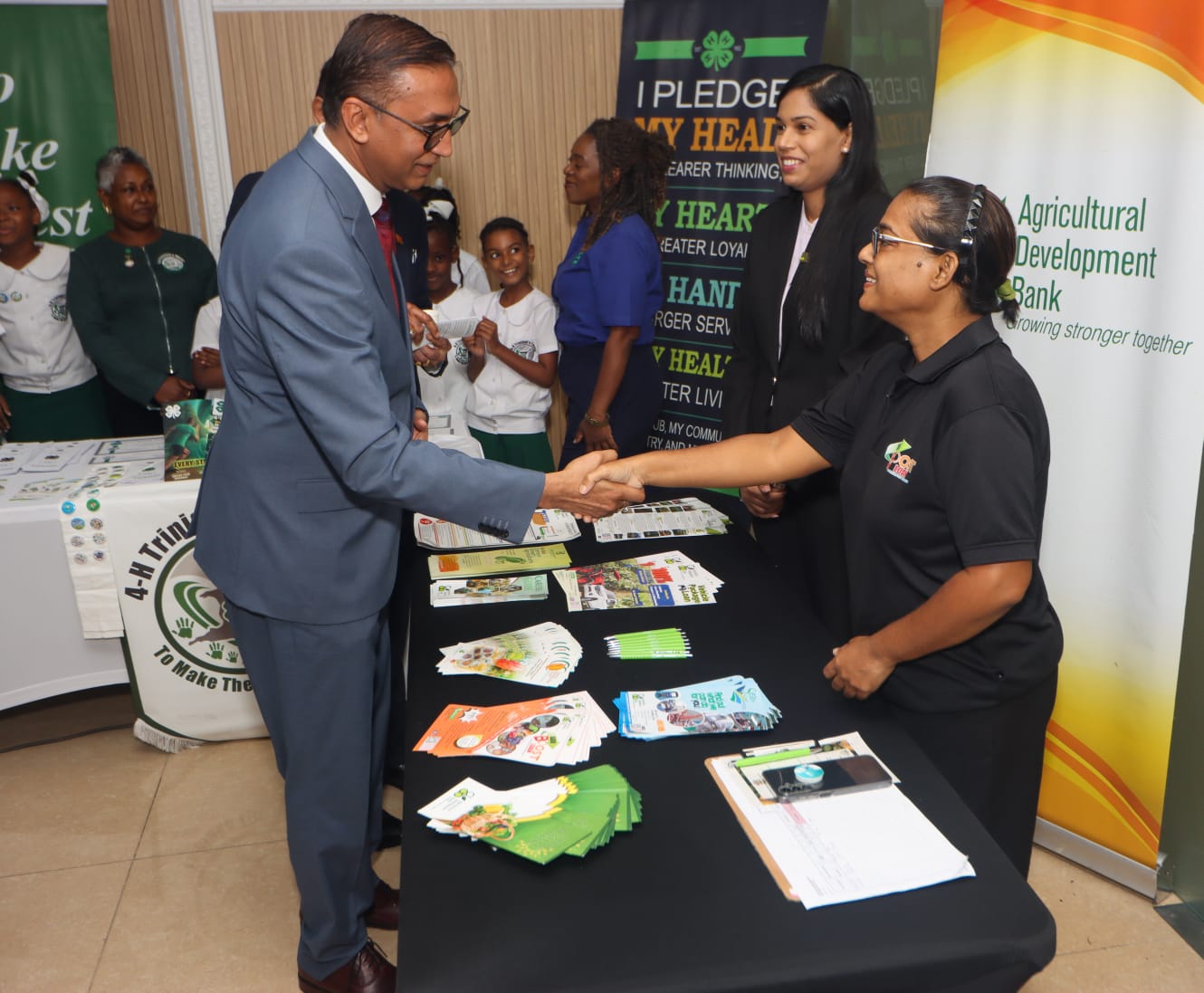
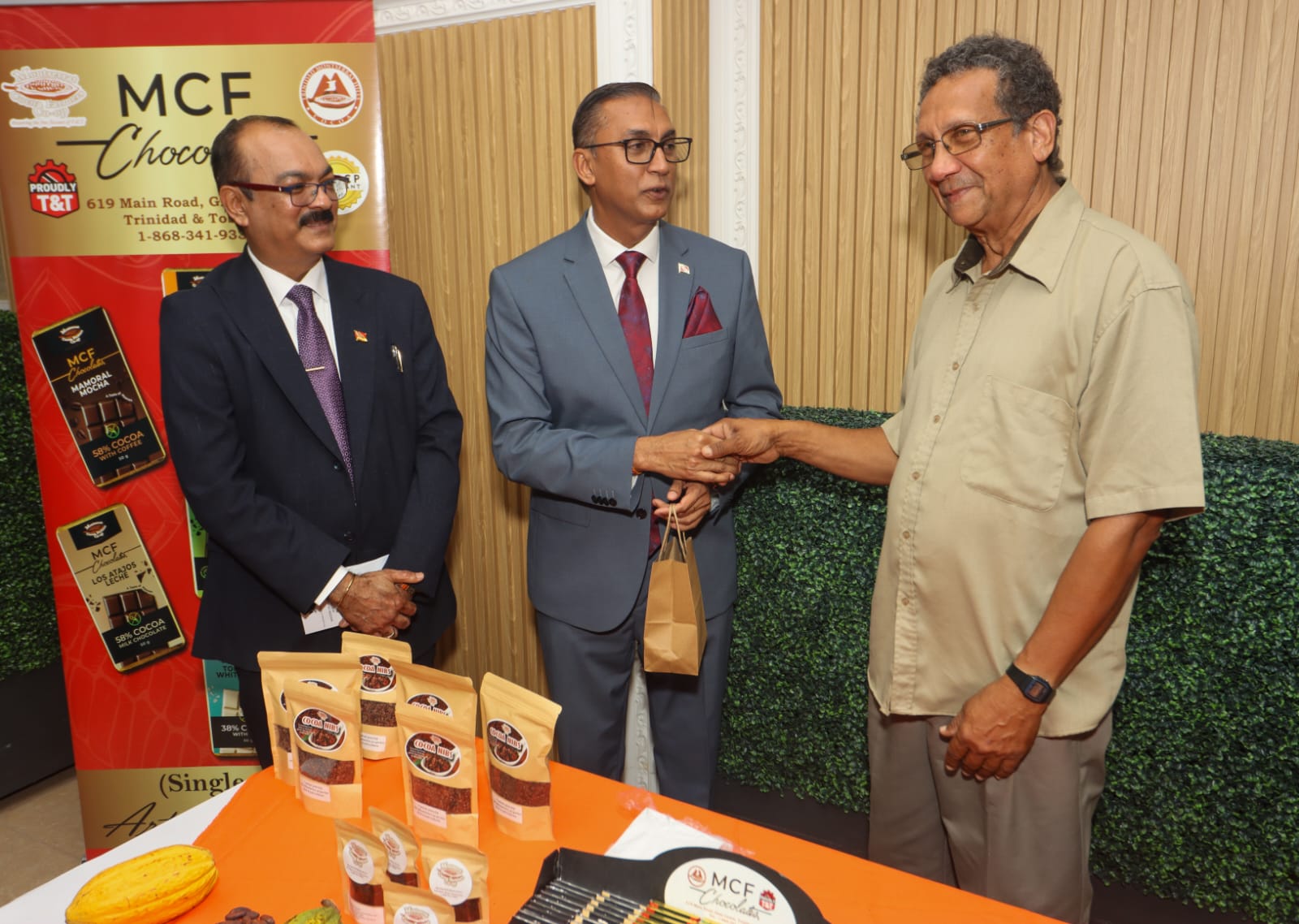
April 15, 2026:- Trinidad and Tobago’s position as a global leader in fine flavour cocoa was reinforced at the 2025 Edition of the Cacao of Excellence Recognition Ceremony, hosted by the Cocoa Development Company of Trinidad and Tobago Limited today, Wednesday 15th April 2026, at the Dennis P. Ramdhan Complex, Couva, as the Ministry of Agriculture and Fisheries signaled an accelerated push to scale the sector into a high-value, export-driven industry.
During his feature address, Senator the Honourable Ravi Ratiram, Minister of Agriculture and Fisheries, used the platform to articulate a clear and assertive policy direction for the cocoa industry, positioning it as a central pillar in the national agenda for economic diversification, rural transformation and foreign exchange generation. He reaffirmed Trinidad and Tobago’s elite status as a producer of 100 percent fine flavour Trinitario cocoa, while emphasizing that sustaining this position requires deliberate investment, regulatory alignment and market-focused strategy.
“This is not simply about preserving a legacy industry, this is about aggressively positioning Trinidad and Tobago as the global benchmark for fine flavour cocoa. We are moving with the intention to protect our brand, expand our market share and ensure that our producers capture greater value in an increasingly competitive international space,” Minister Ratiram stated.
The ceremony also featured remarks from Mr Shankar Teelucksingh, Chairman of the Cocoa Development Company of Trinidad and Tobago Limited; Dr Darin Sukha, Chair of the Cacao of Excellence Technical Committee; and Ms Annalean Inniss, Permanent Secretary (Ag.), Ministry of Agriculture and Fisheries, all of whom reinforced the importance of quality governance, technical excellence and institutional collaboration in maintaining the country’s global standing.
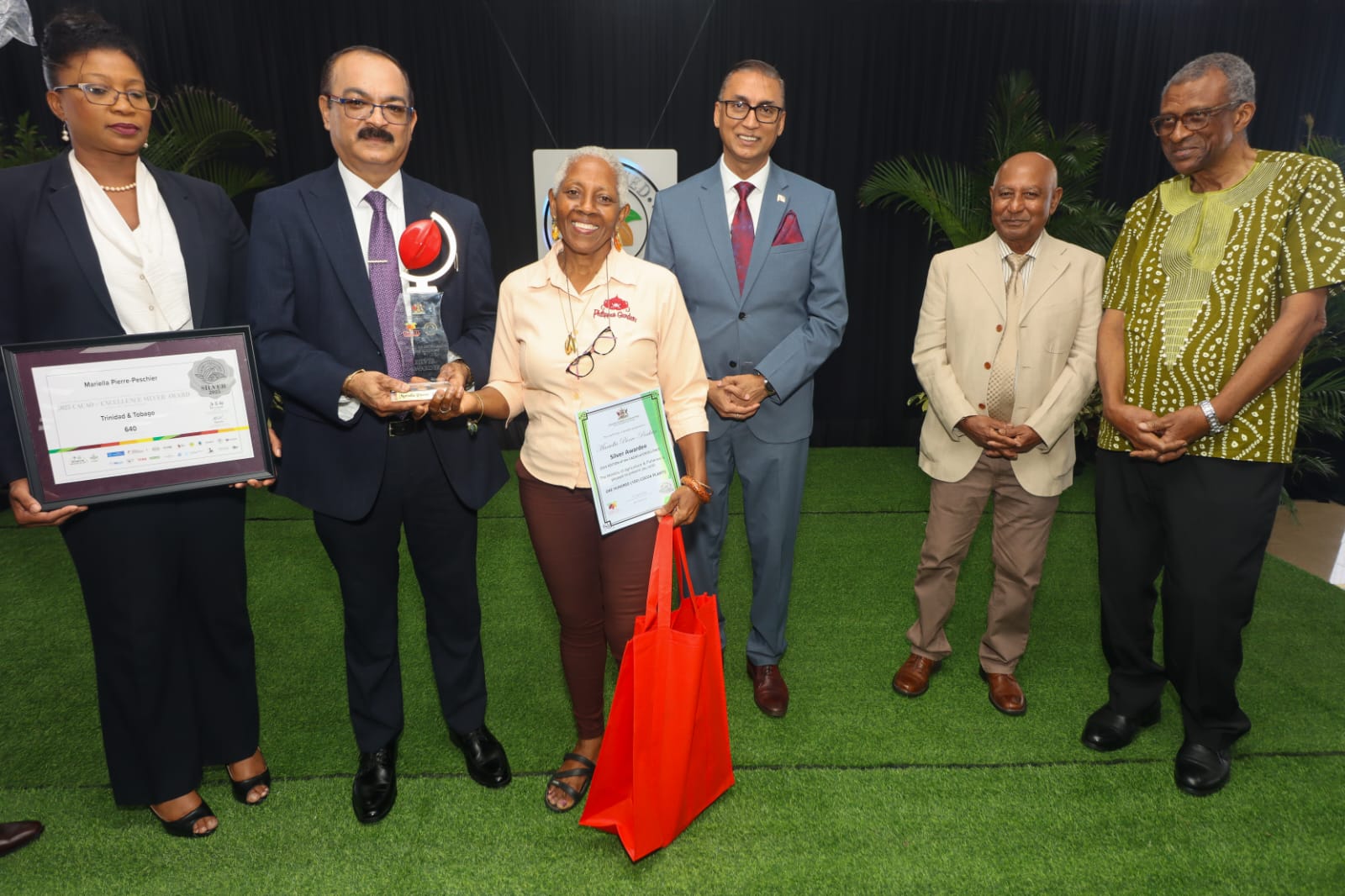
A highlight of the ceremony was the recognition of national awardees Carlisle Pemberton, Deosaran Jagroo and Mariella Pierre-Peschier, whose international success continues to validate the country’s reputation for producing world-class cocoa and reinforces the impact of ongoing sectoral investments.
The ceremony ultimately reflected a coordinated and forward-looking approach, led by the Ministry of Agriculture and Fisheries, to build a modern, resilient and globally competitive cocoa industry, one that leverages its historic legacy while decisively advancing toward a high-value future.

END
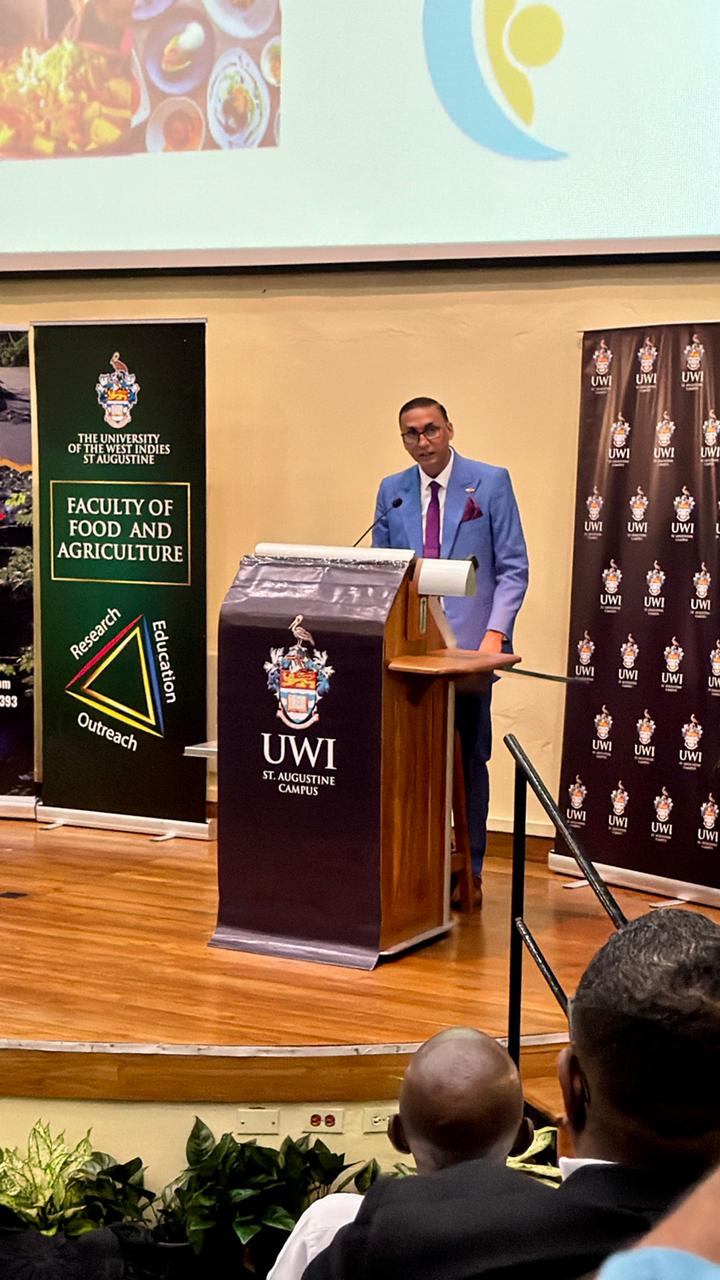
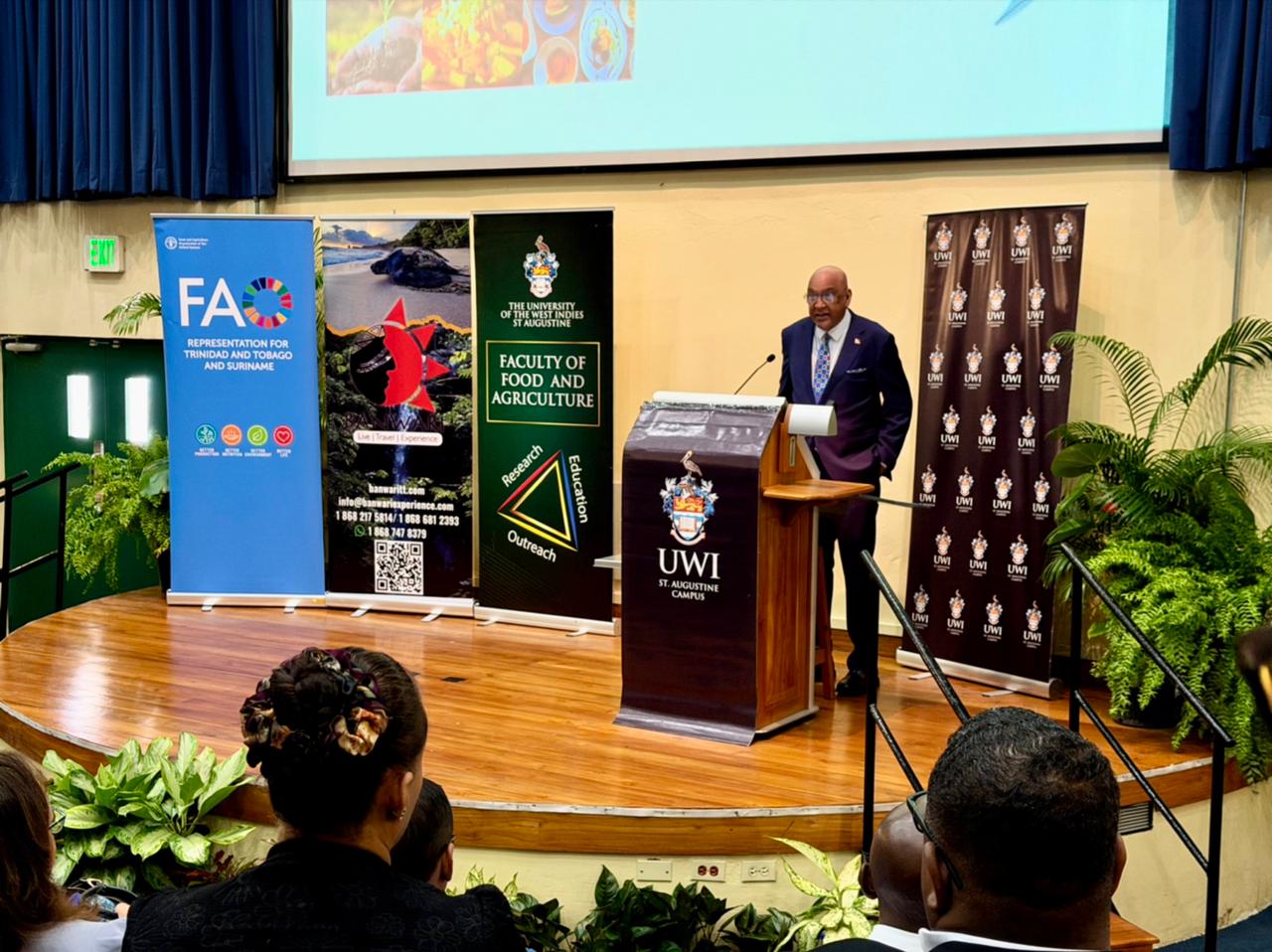
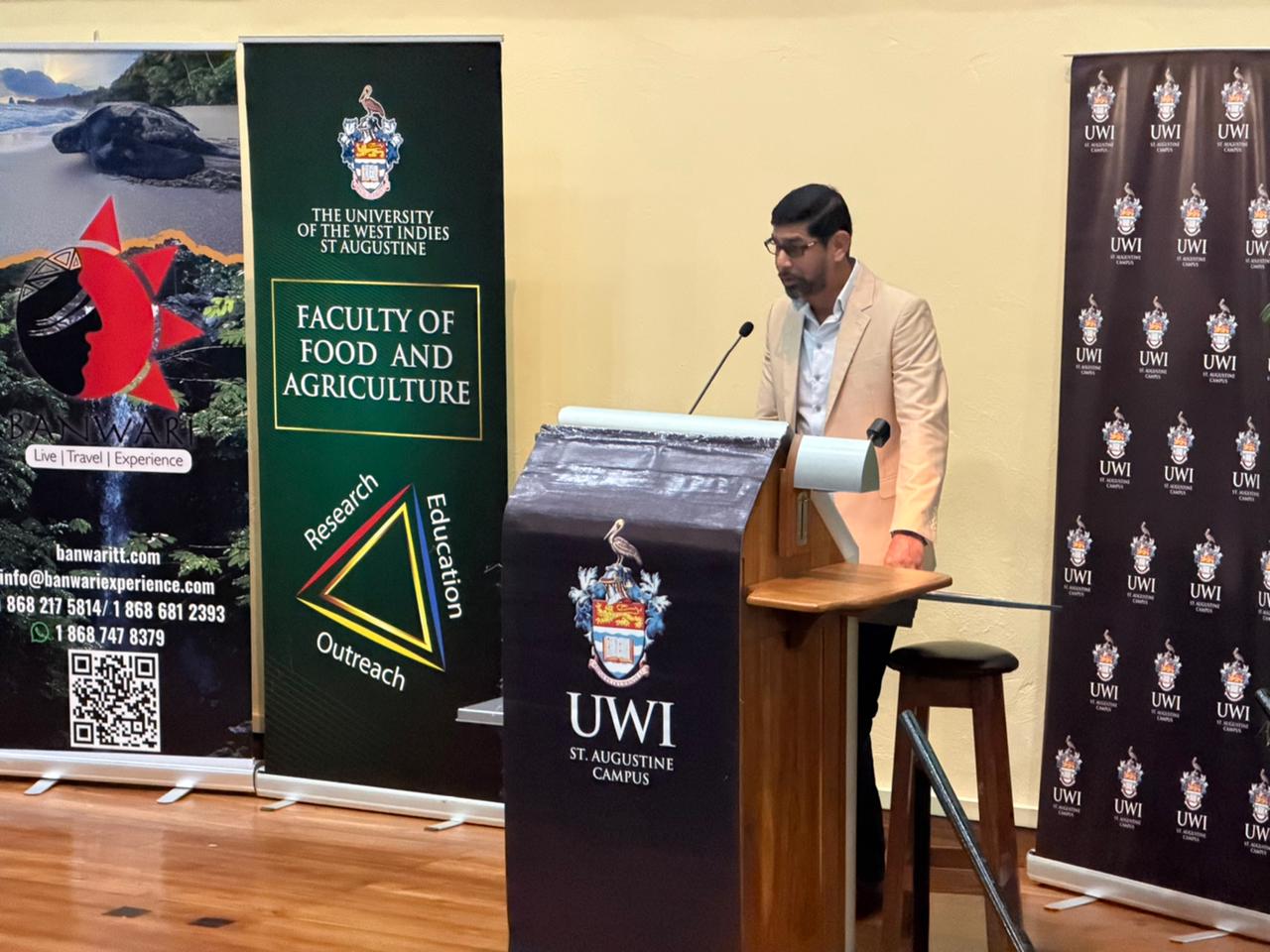
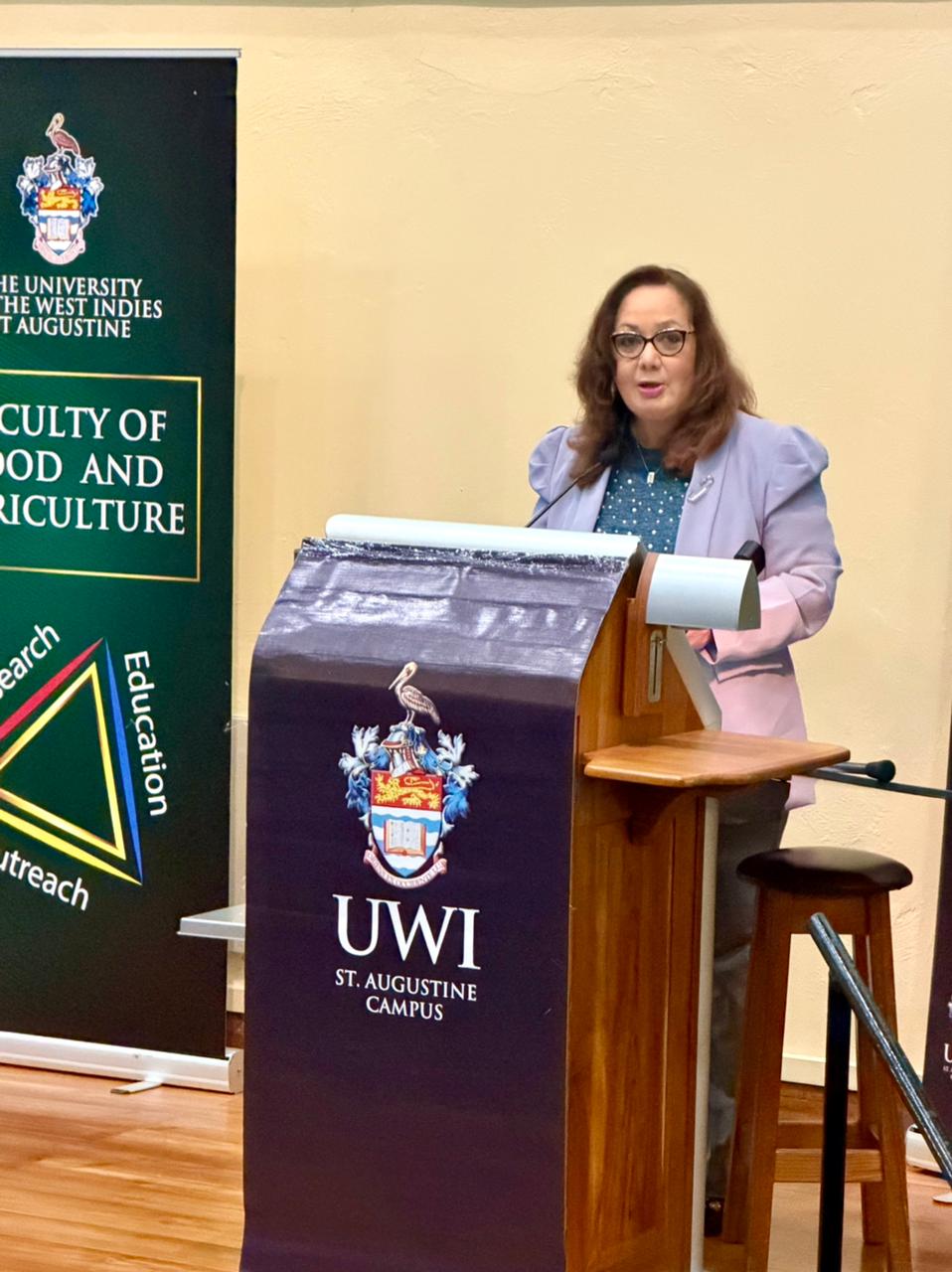
March 31, 2026:- Senator the Honourable Ravi Ratiram, Minister of Agriculture and Fisheries, today reaffirmed the Ministry’s commitment to strengthening national and regional food systems through innovation, strategic partnerships and sustainable development, as he addressed the International Conference on Food and Nutrition Security and Sustainable Tourism at The University of the West Indies, St. Augustine.
Delivering remarks under the conference theme, “From Soil to Society: Advancing Food and Nutrition Security, Cultural Gastronomy and Sustainable Tourism to Achieve the Sustainable Development Goals,” Minister Ratiram underscored the urgent need for a paradigm shift in how agriculture is positioned within the broader development agenda.
The Minister emphasized that agriculture must evolve beyond primary production to become a driver of nutrition, economic resilience, environmental stewardship and cultural identity.
“Food security is not simply an agricultural issue. It is an issue of economic stability, national resilience and strategic independence. A nation that cannot feed itself remains vulnerable, but a nation that strengthens its agricultural capacity strengthens its sovereignty,” Minister Ratiram stated.
Highlighting the Caribbean’s annual food import bill, which exceeds US $6 billion, the Minister noted the structural vulnerabilities facing Small Island Developing States (SIDS), including exposure to global supply chain disruptions and price volatility. He reiterated the Ministry’s policy focus on reducing import dependency while enhancing domestic production and value chain development.
A key focus of the Minister’s address was the strategic integration of agriculture and tourism. He pointed to the untapped economic potential of strengthening linkages between local farmers, fishers, agro-processors and the hospitality sector.
“When hotels source produce from local farmers, when restaurants highlight locally caught seafood and when our culinary traditions are authentically showcased, we create a virtuous economic cycle that benefits communities, supports livelihoods and retains value within our economy,” he noted.
Minister Ratiram also reaffirmed the Ministry’s commitment to climate-smart agriculture and sustainable land and water management practices, referencing the importance of “ridge-to-reef” sustainability in safeguarding ecosystems and ensuring long-term food security.
He further stressed the importance of integrating traditional agricultural knowledge with modern science and technology, while deepening collaboration among key stakeholders, including academia, development agencies and the private sector.
The Minister commended the Faculty of Food and Agriculture and conference partners for convening a forum that brings together over 200 regional and international delegates to advance dialogue and action on food systems transformation, sustainable gastronomy and agricultural innovation.
The two-day conference is expected to generate actionable insights and policy-relevant outcomes to support food sovereignty, climate resilience and sustainable economic development across the Caribbean region.

– END –
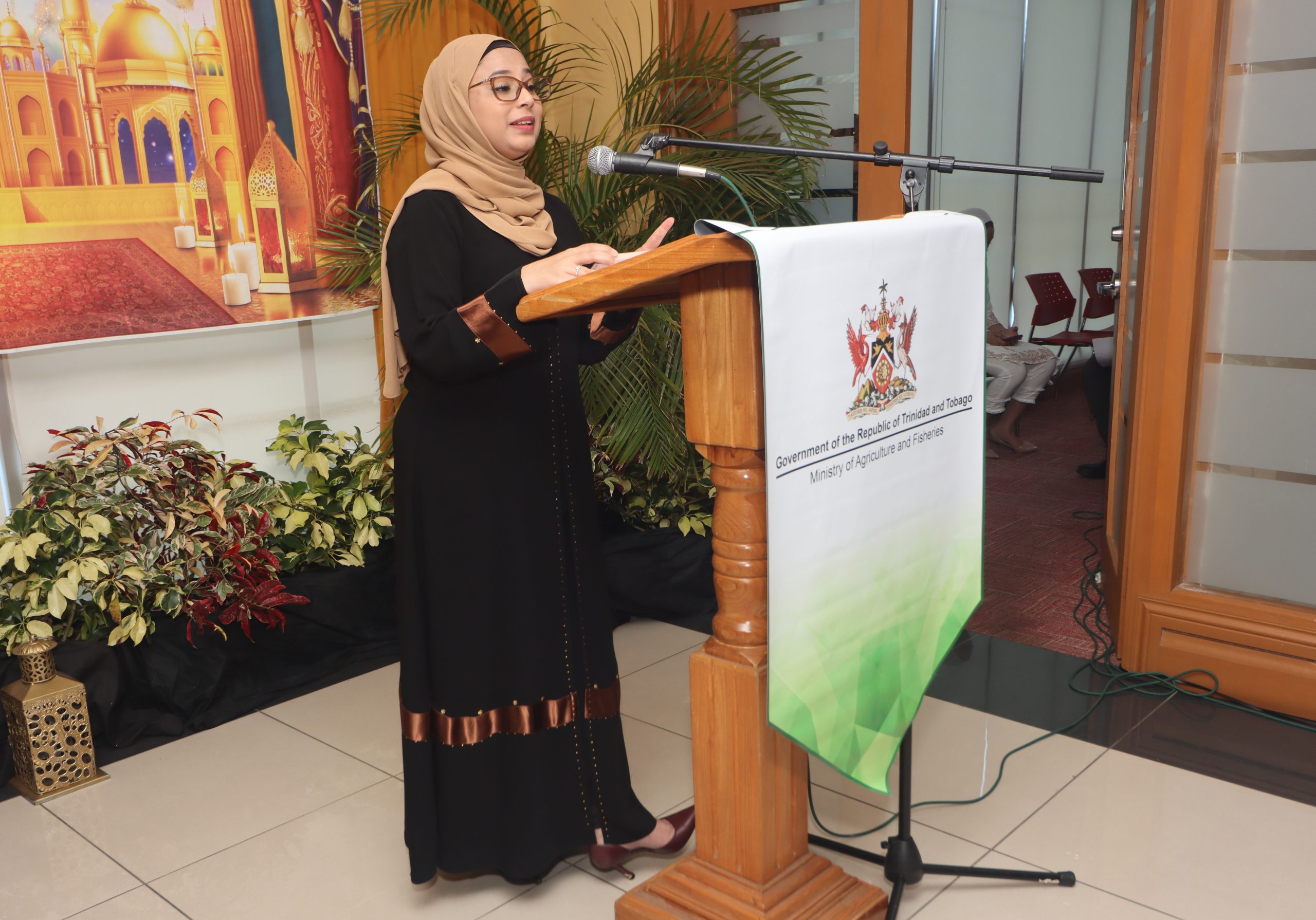
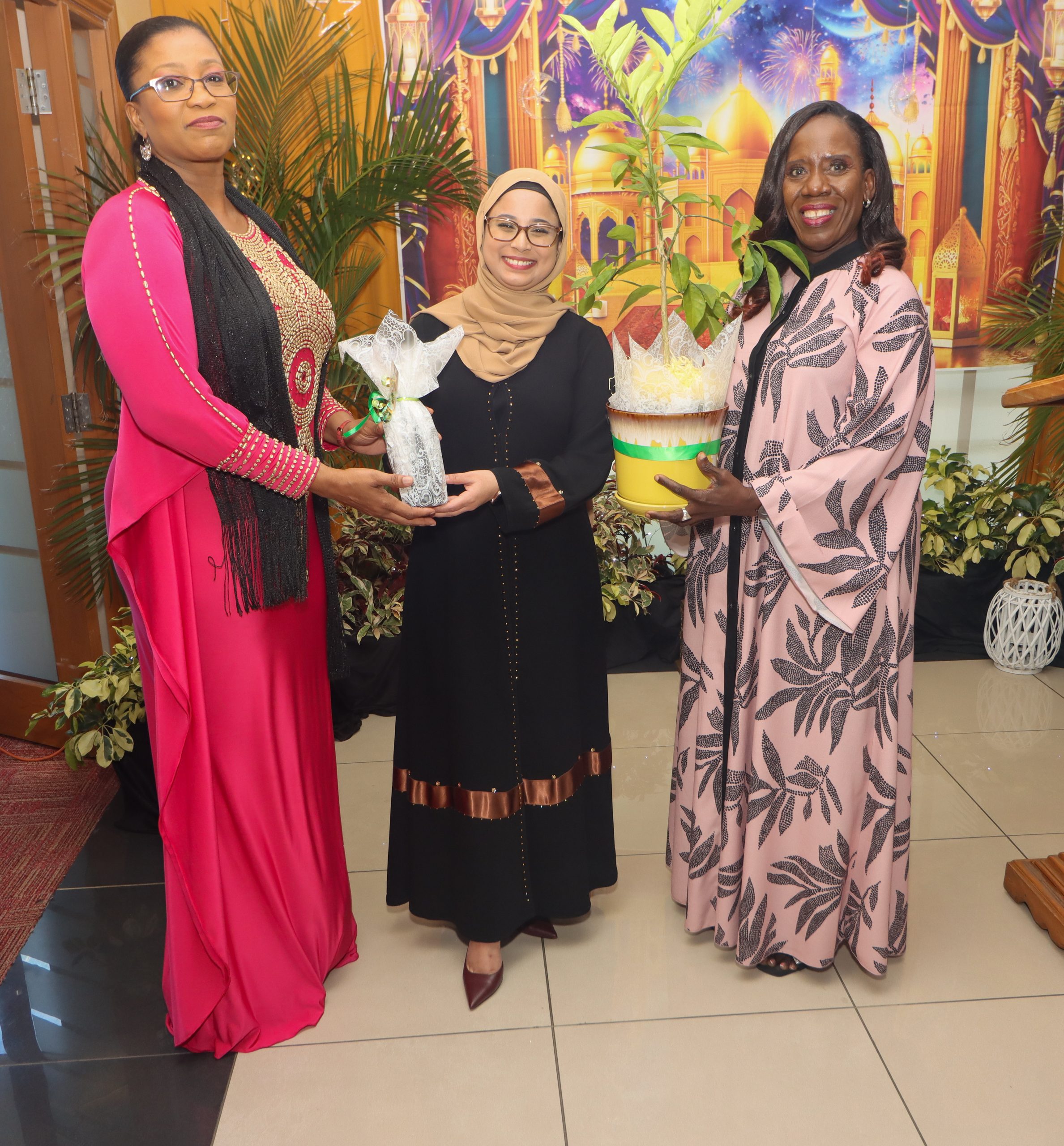
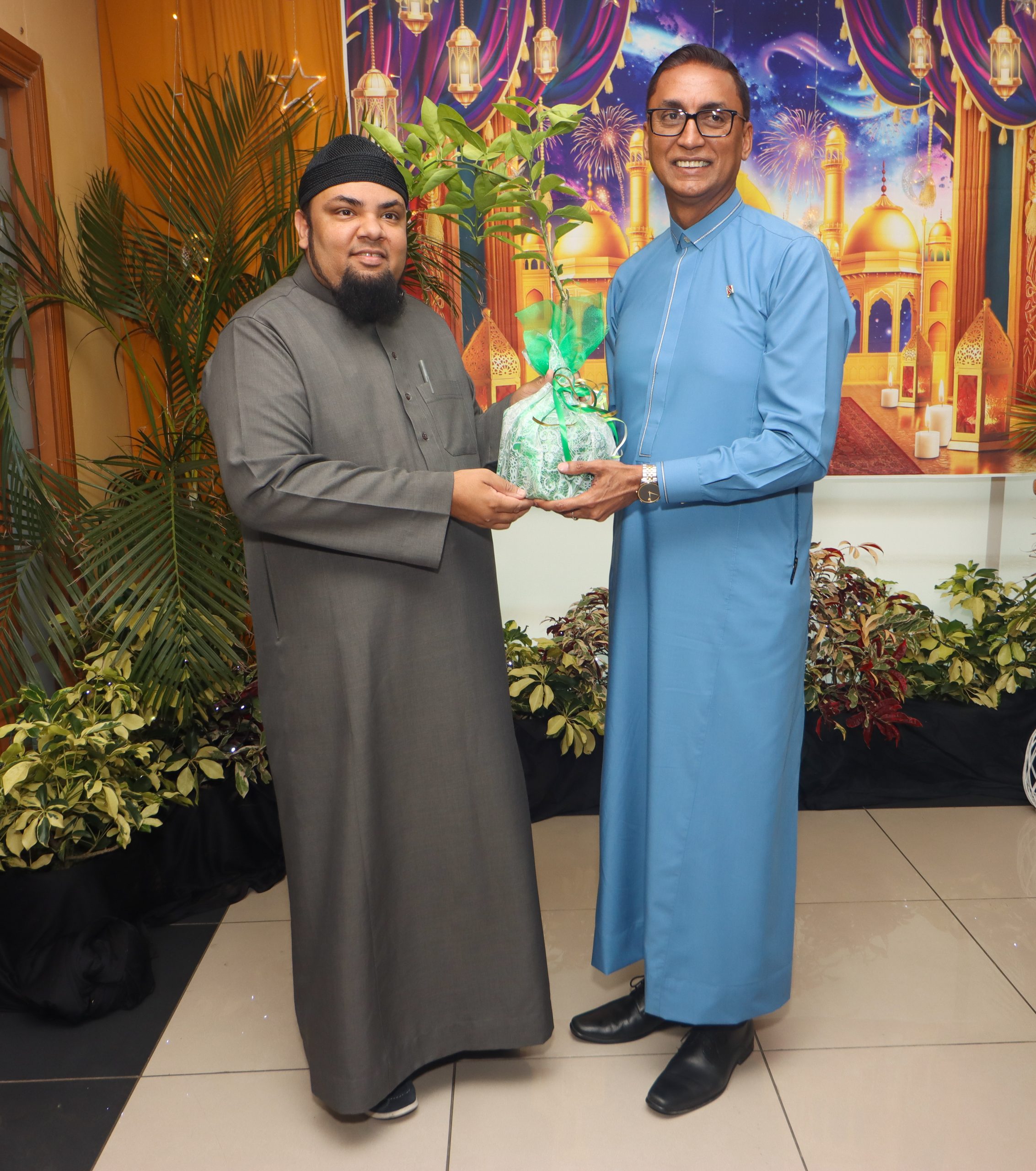
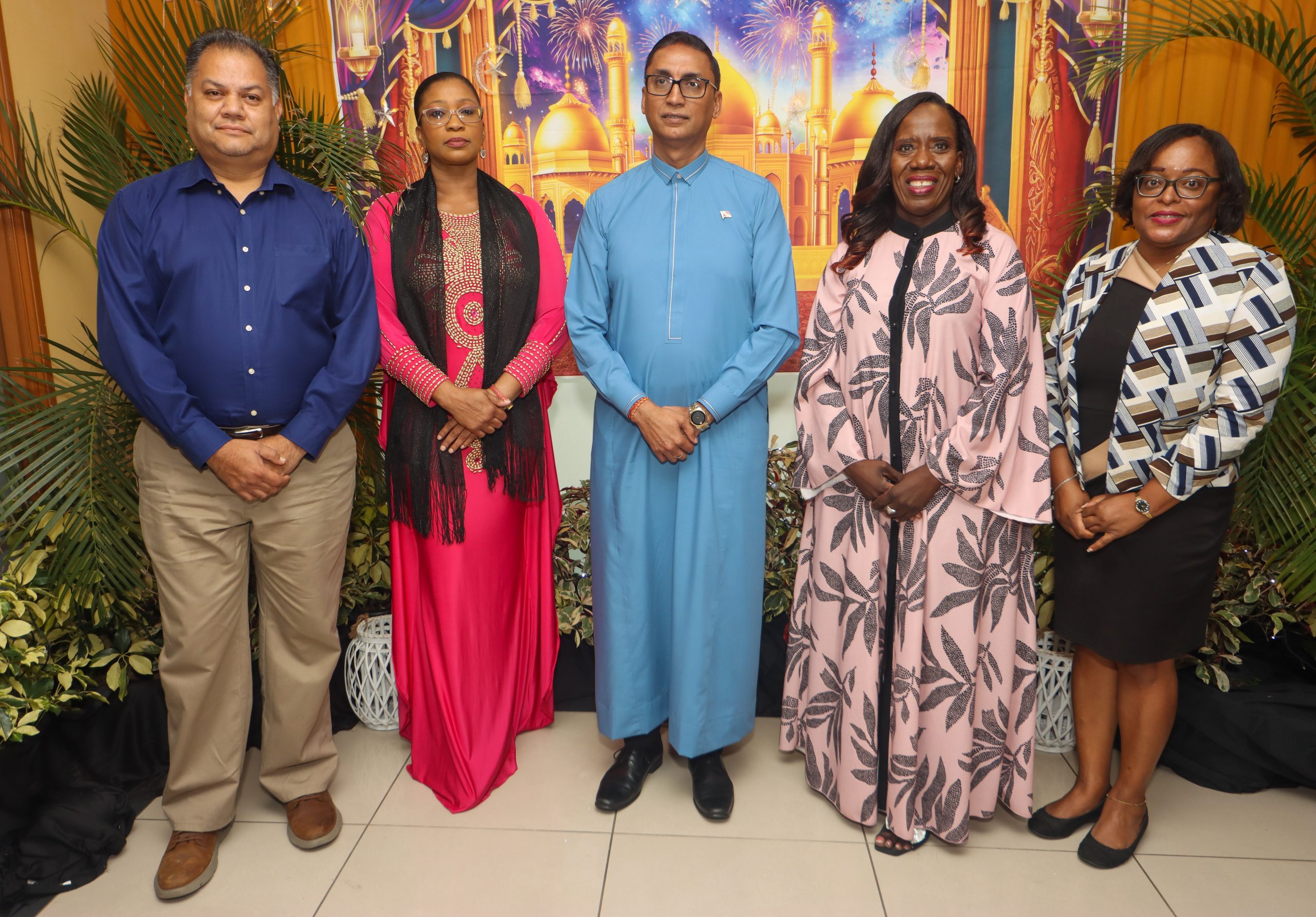
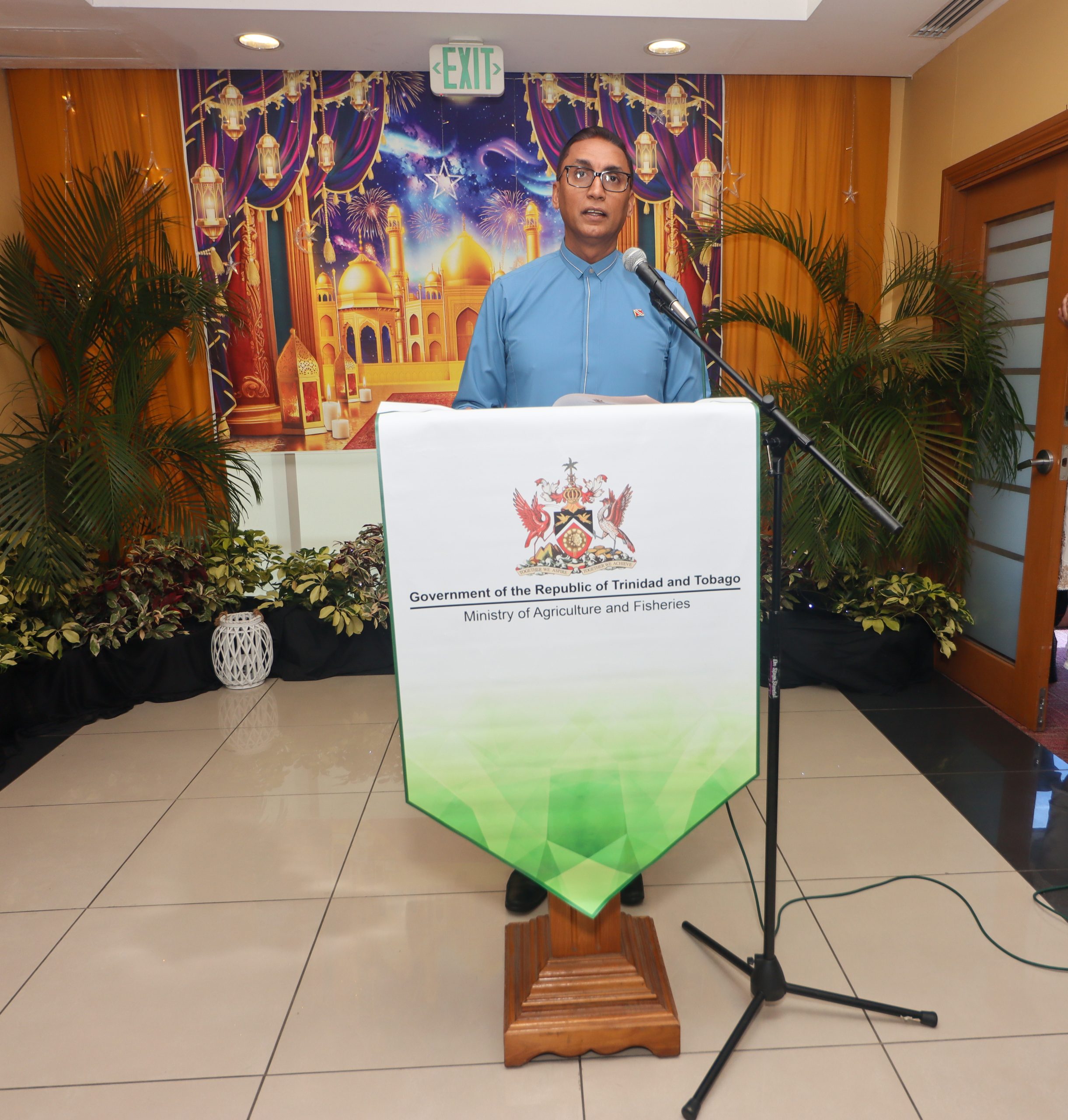
March 27, 2026:- Today, the Ministry of Agriculture and Fisheries hosted its Eid-ul-Fitr celebration at its Head Office in Chaguanas, bringing together government officials, staff and specially invited guests in observance of one of the most significant occasions on the Islamic calendar.
The event highlighted the Ministry’s continued commitment to inclusivity, cultural appreciation and national unity, while recognizing the shared values of sacrifice, compassion, discipline, and generosity that define the Eid-ul-Fitr observance.
Delivering remarks at the ceremony, Senator the Honourable Ravi Ratiram, Minister of Agriculture and Fisheries, underscored the national importance of the occasion. He noted that Eid-ul-Fitr transcends religious boundaries and serves as a powerful reminder of the principles that guide both public service and nation-building.
“Eid-ul-Fitr is not merely a celebration marking the end of Ramadan; it is a renewal of purpose. It calls on us to embrace compassion, generosity, and unity, principles that are critical to nation-building and public service,” the Minister stated.
Referencing the spirit of giving inherent in the observance, Minister Ratiram highlighted the enduring relevance of the Qur’anic teaching that “the best of people are those who are most beneficial to others,” encouraging all present to embody these values in their daily lives.
The feature address was delivered by Dr. Aiyna Ali, Member of Parliament for Princes Town and Deputy Speaker of the House of Representatives, who offered a reflective perspective on the spiritual significance of Eid and its role in fostering unity and social responsibility.
Also addressing the gathering were Senator the Honourable David Nahkid, Parliamentary Secretary in the Ministry of Sport and Youth Affairs and His Worship Faaiq Mohammed, Mayor of Chaguanas.
The ceremony featured a formal programme inclusive of reflections and fellowship among attendees, reinforcing the Ministry’s role not only as a policy institution but also as a champion of national cohesion and shared values.
The Ministry extends warm Eid Mubarak greetings to the Muslim community and the wider national population, reaffirming its commitment to service, inclusivity and the continued advancement of Trinidad and Tobago.
– END –





March 12, 2026:- The Ministry of Agriculture and Fisheries (MAF) wishes to remind the public that the annual sea turtle nesting season runs from March 1st 2026 and will continue until August 31st, 2026 in Trinidad and Tobago. During this crucial period, the MAF emphasizes the importance of preserving sea turtle habitats and urges vigilance in beach activities to minimize disturbance to nesting sites.
Beachgoers are urged to exercise caution and refrain from engaging in activities that may disrupt sea turtle nesting behaviors. This includes refraining from biking, driving vehicles, building sand castles, or mining beach sand, as well as avoiding the use of flambeaus, fires, headlights, or any bright lights along the shoreline. Such activities can disorient sea turtles, leading to potential abandonment of nesting sites or disorientation of hatchlings.
To ensure the protection of sea turtles and their nesting sites, the public is encouraged to follow these guidelines:
– Refrain from sitting on turtles, as this can cause serious harm to their organs and may result in death.
– Reduce marine debris, such as plastics and fishing gear, to prevent entanglement of sea turtles.
– Participate in coastal clean-up efforts to remove debris and minimize hazards to marine life.
In case of witnessing any harm to sea turtles, turtle eggs, or hatchlings, members of the public are urged to report such incidents to the Forestry Division, the Environmental Management Authority (EMA), or the Trinidad & Tobago Police Service for immediate action.
It is important to note that all five species of marine turtles visiting Trinidad and Tobago’s shores, including the Leatherback turtle, Green Turtle, Loggerhead, Olive Ridley, and Hawksbill, are protected by law under Legal Notice No.89, Vol.53, No.37. The penalties for causing harm to sea turtles include a fine of TT$100,000 and a two-year jail term, as stipulated by the Conservation of Wild Life Act (CoWA) Chap 67:01.
For those interested in turtle viewing, permits can be obtained at designated Forestry Division and District Revenue offices during regular business hours, Monday to Friday (excluding public holidays). Permits are required for entry into Prohibited Areas, including the main nesting beaches at Fishing Pond, Matura, and Grande Rivière. Strict adherence to guidelines provided by authorized tour guides and cooperation with law enforcement officers is essential at all times.
Permit Locations and Contact Information:
The Ministry of Agriculture and Fisheries thanks the public for their cooperation in safeguarding our marine biodiversity and ensuring the conservation of sea turtles during the nesting season.
– END –
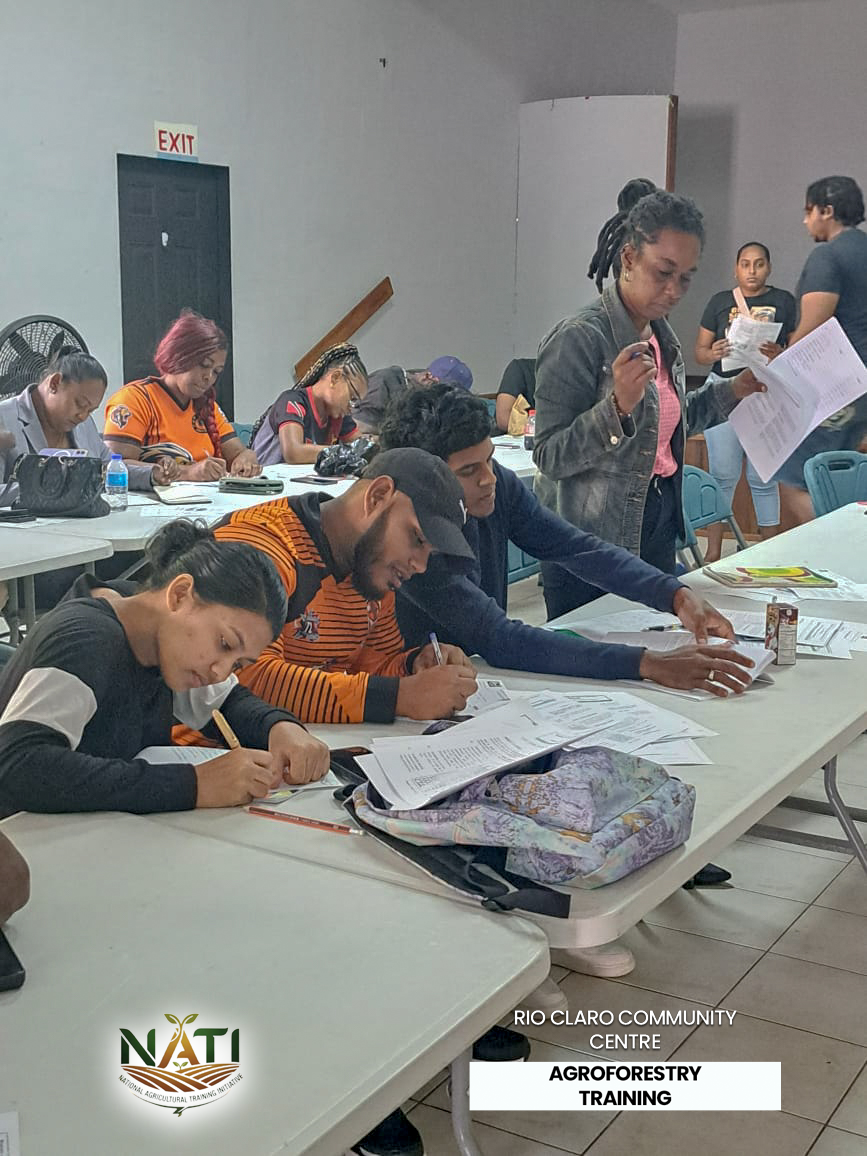
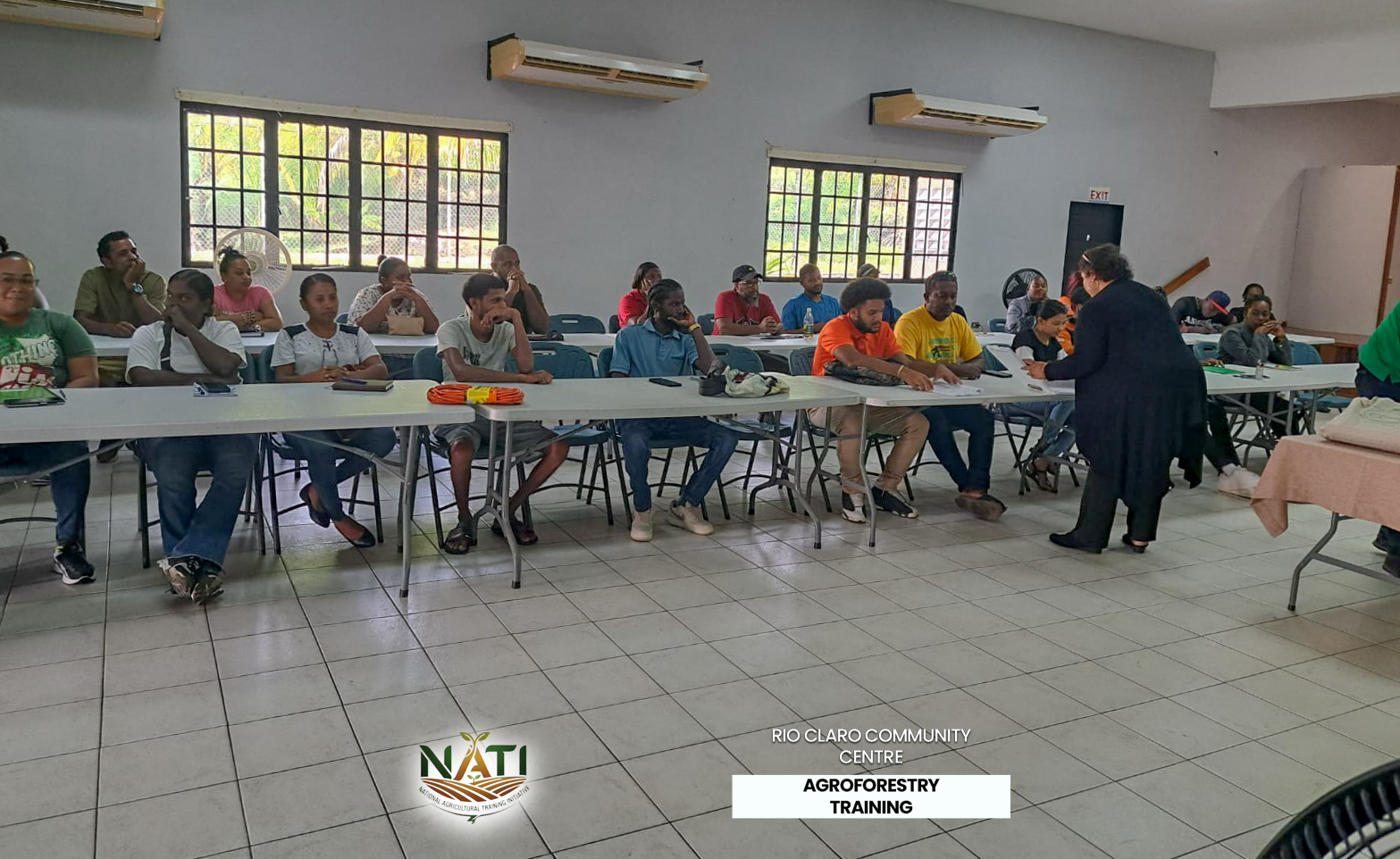
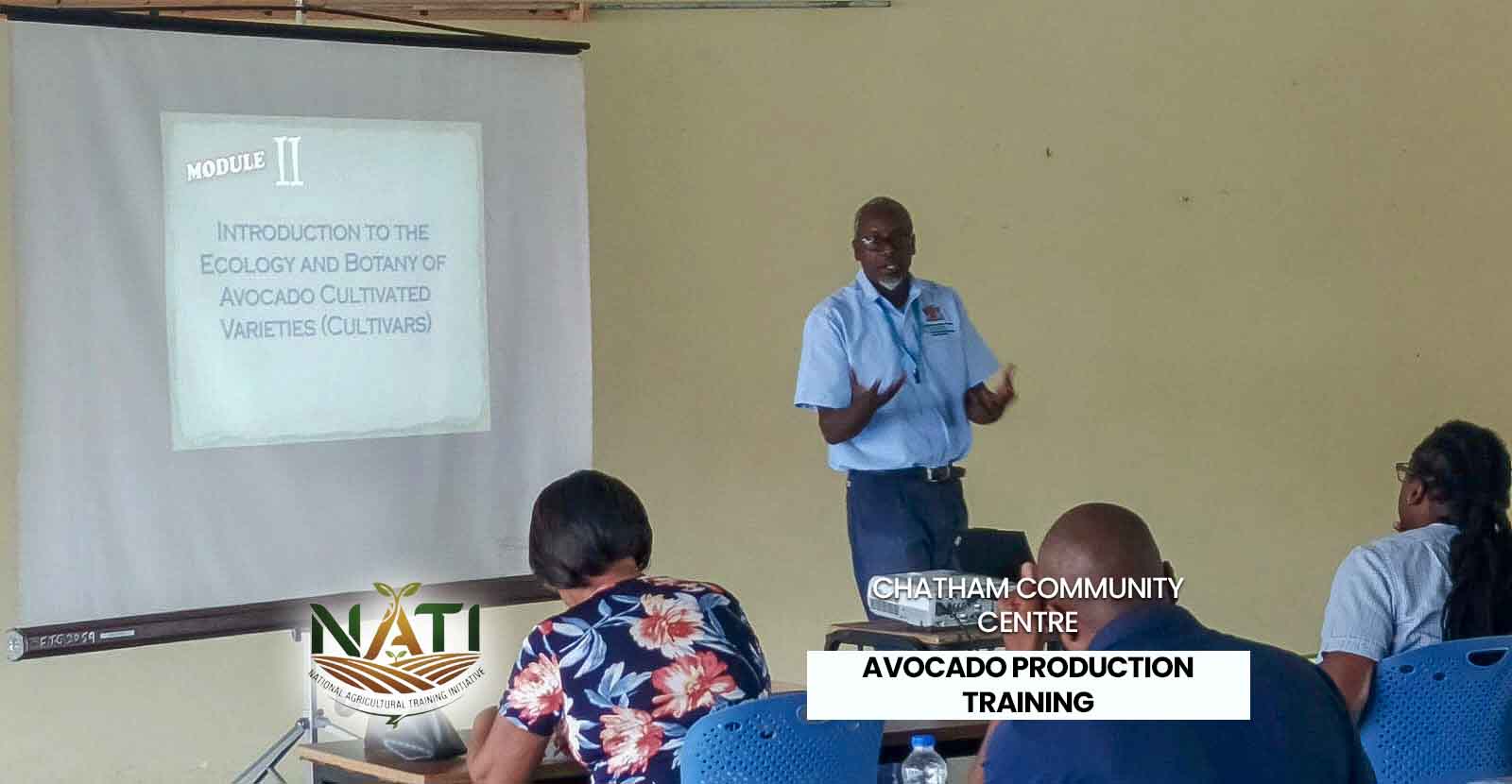
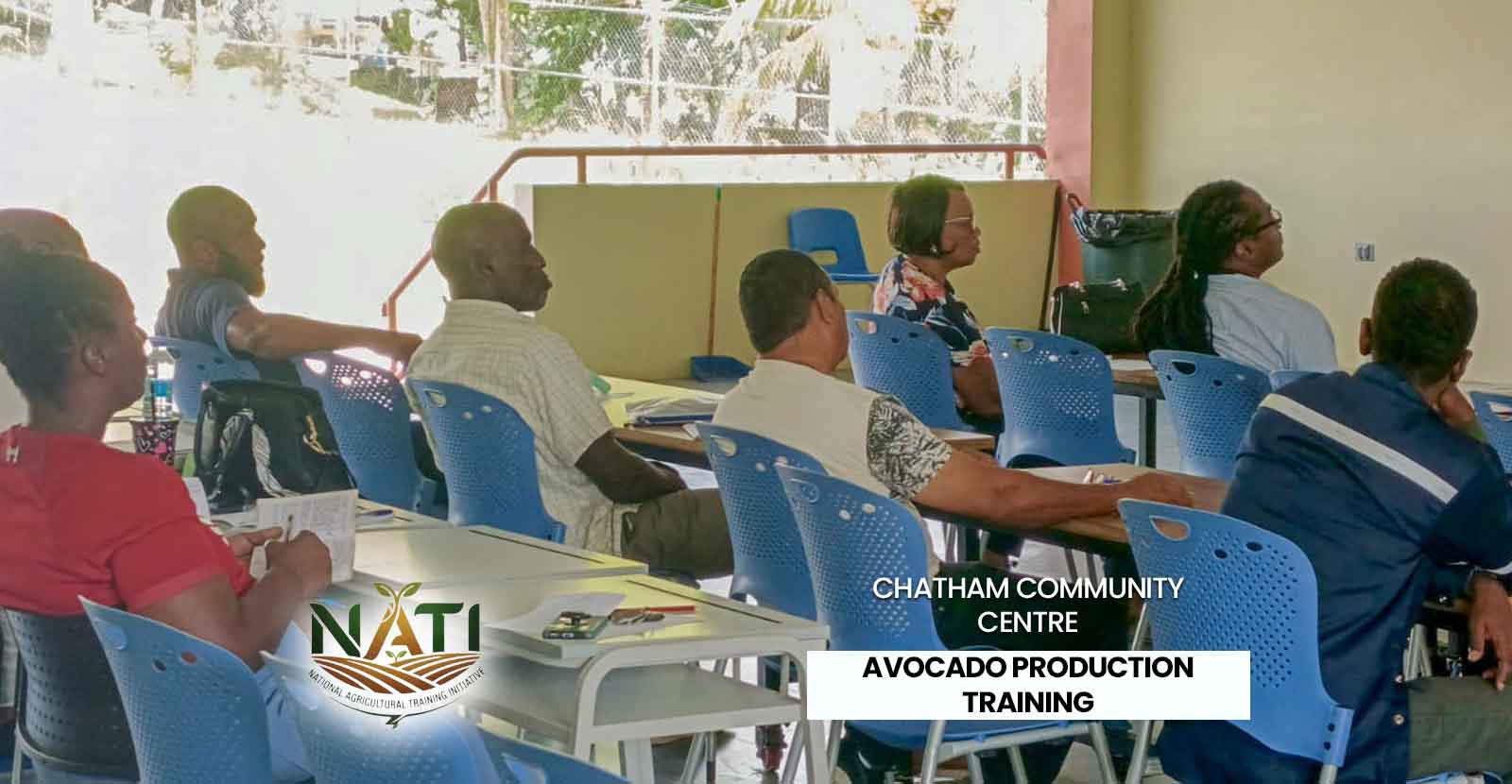
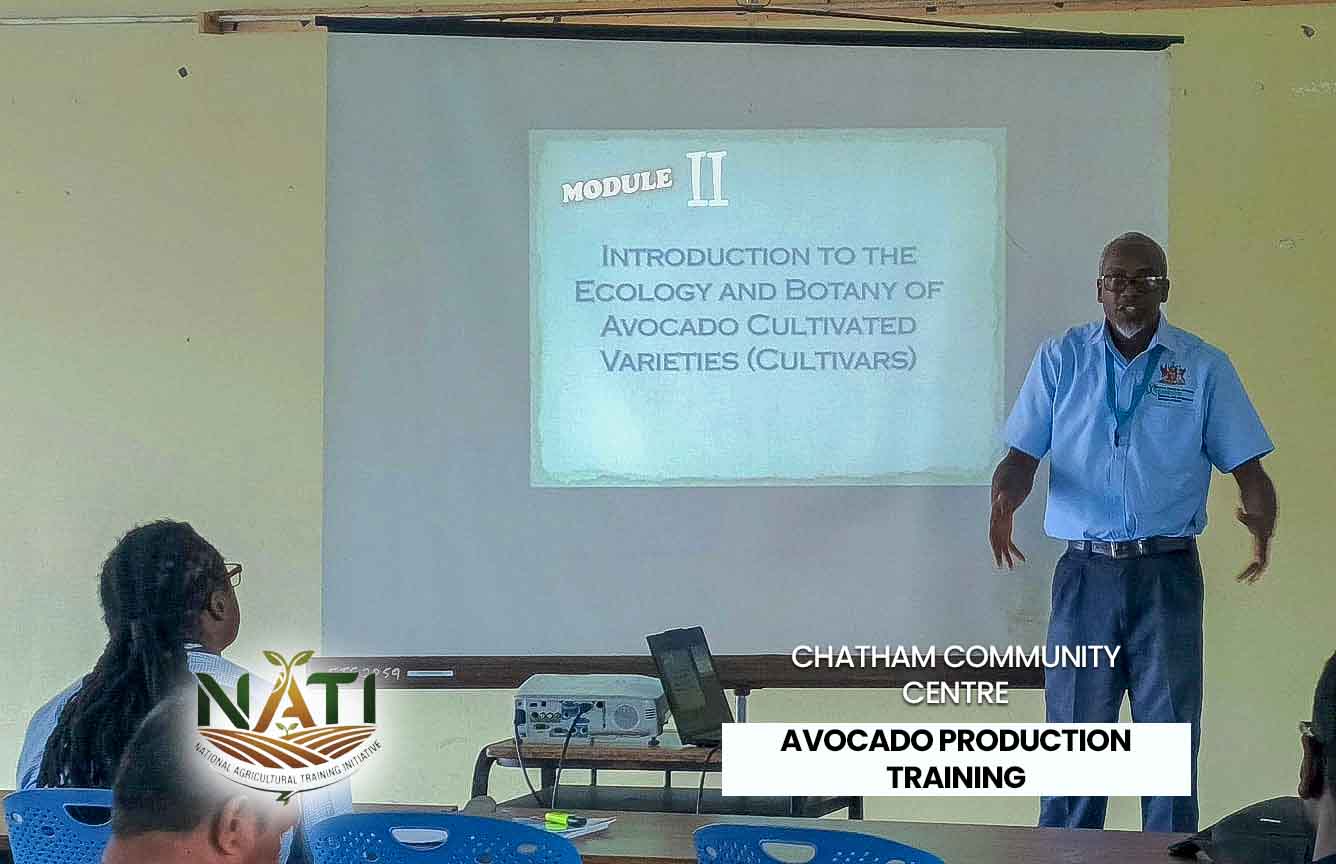
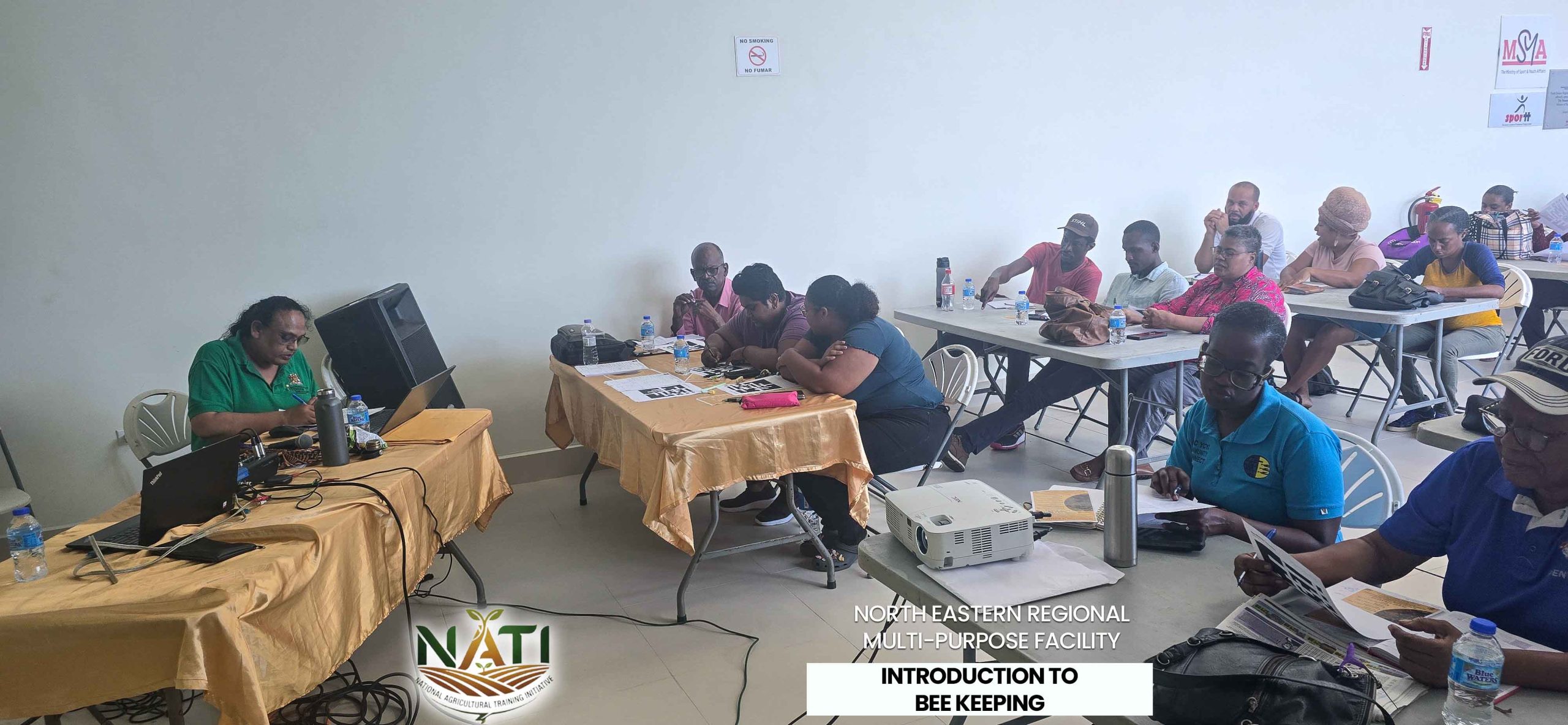
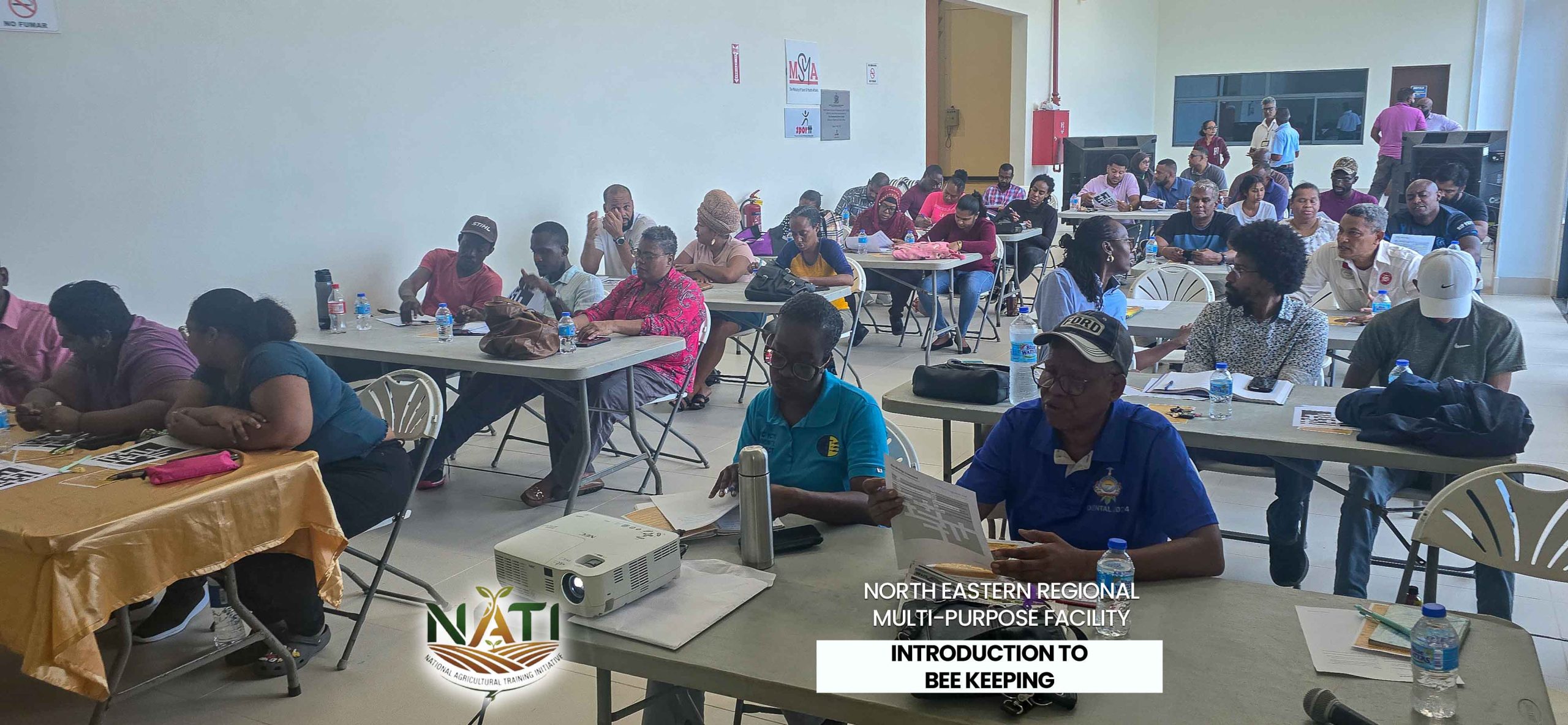
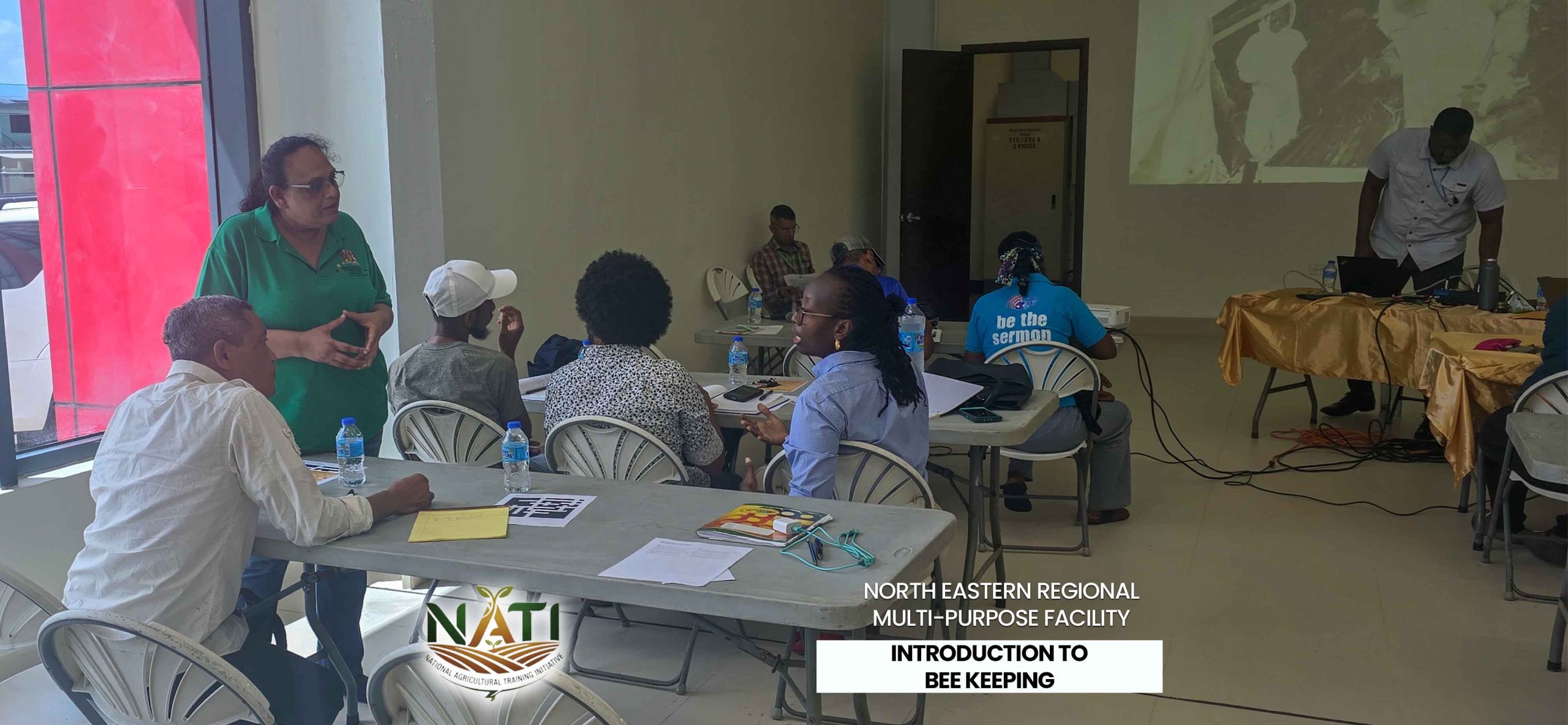
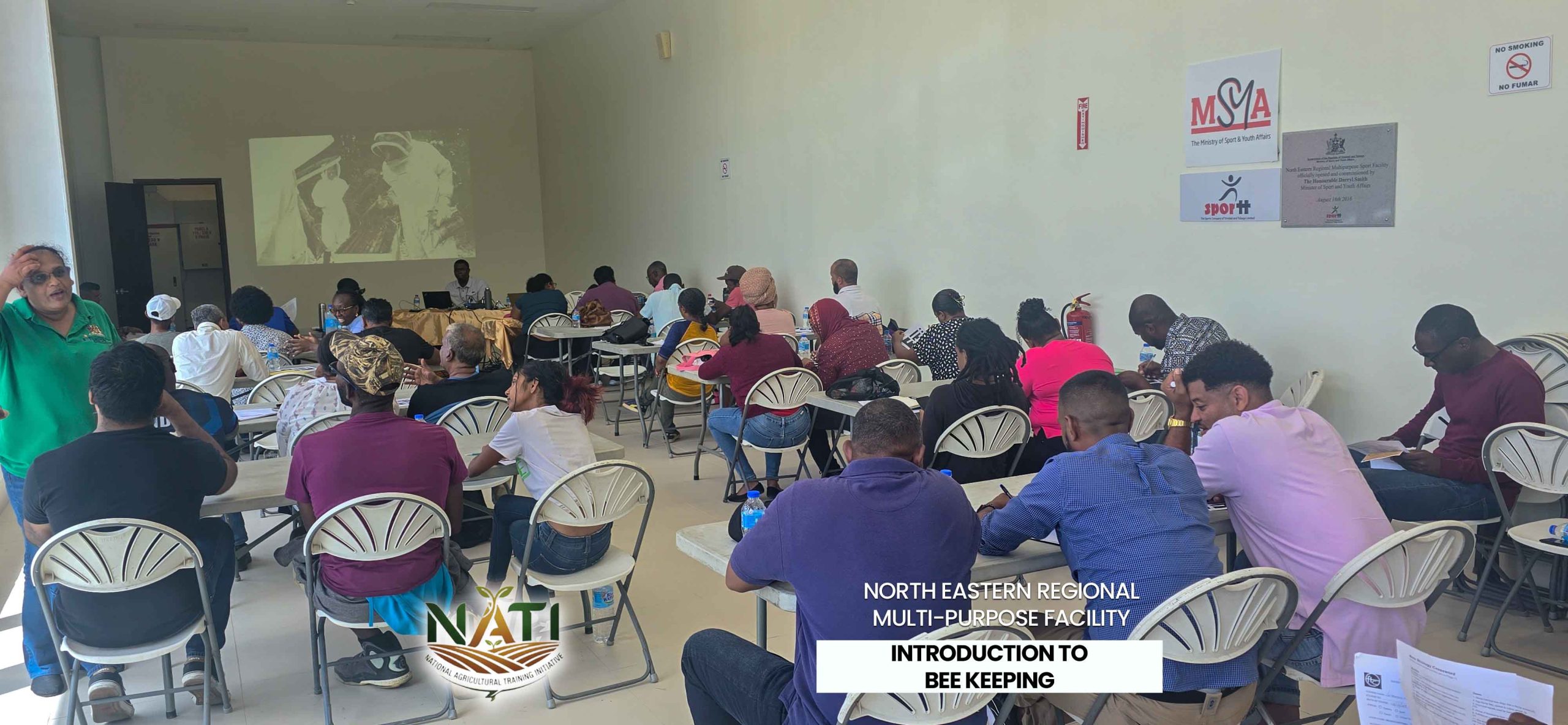
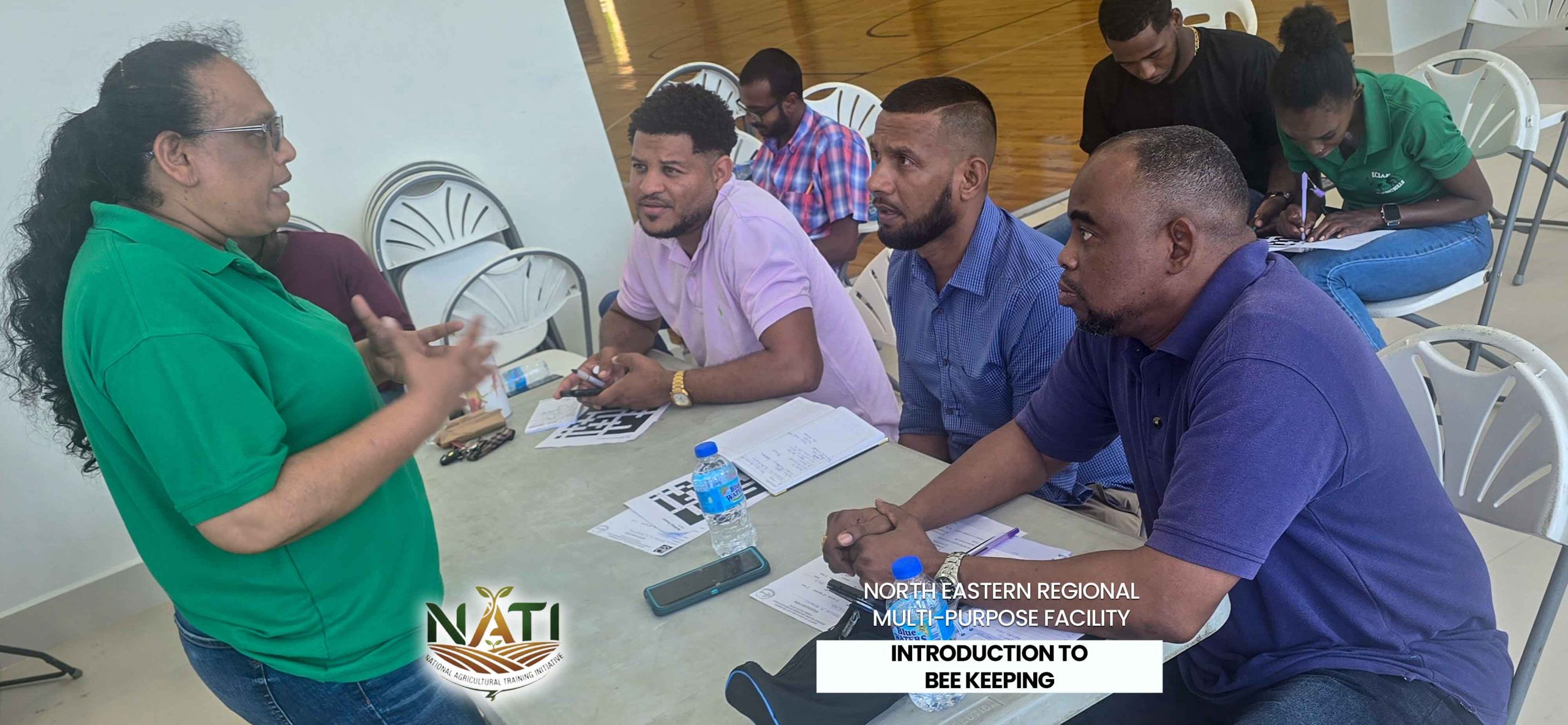
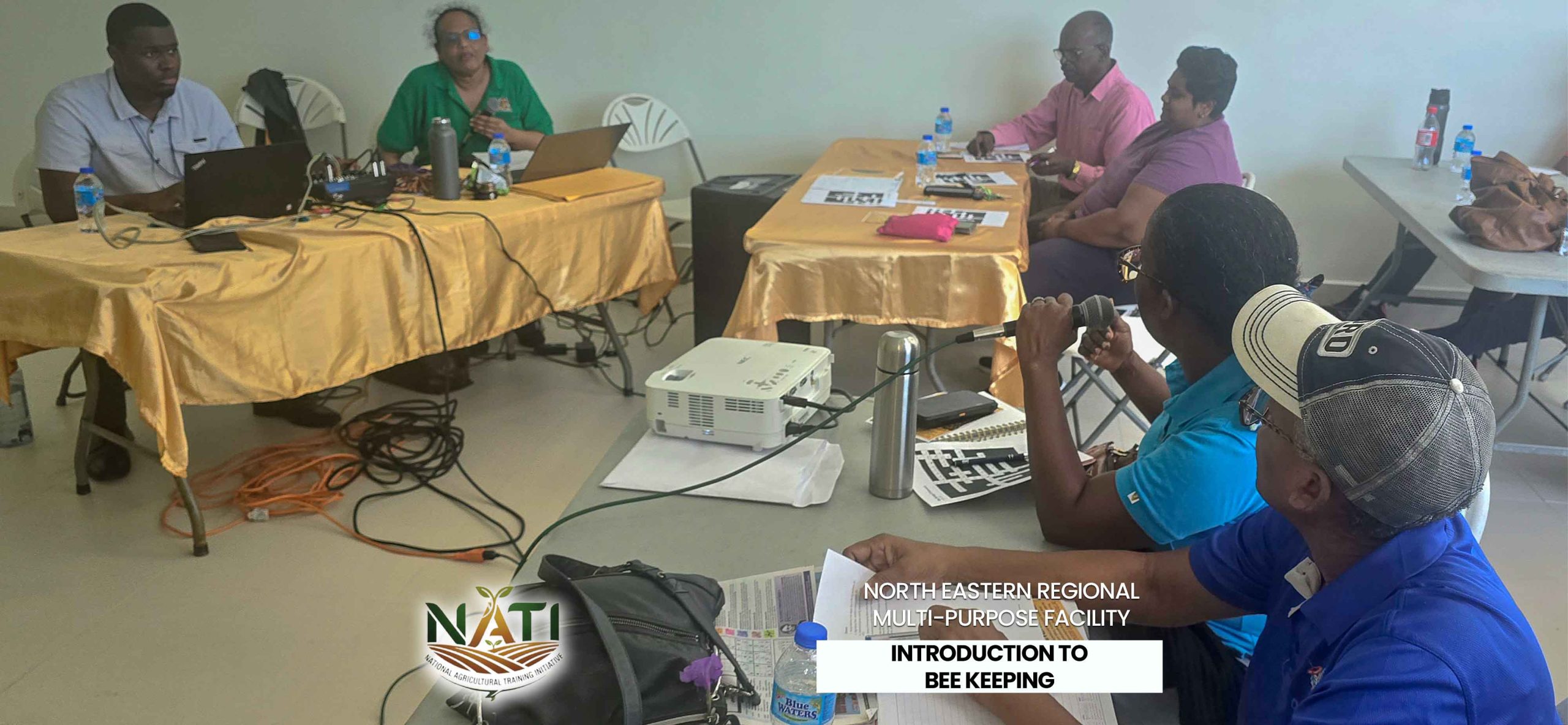
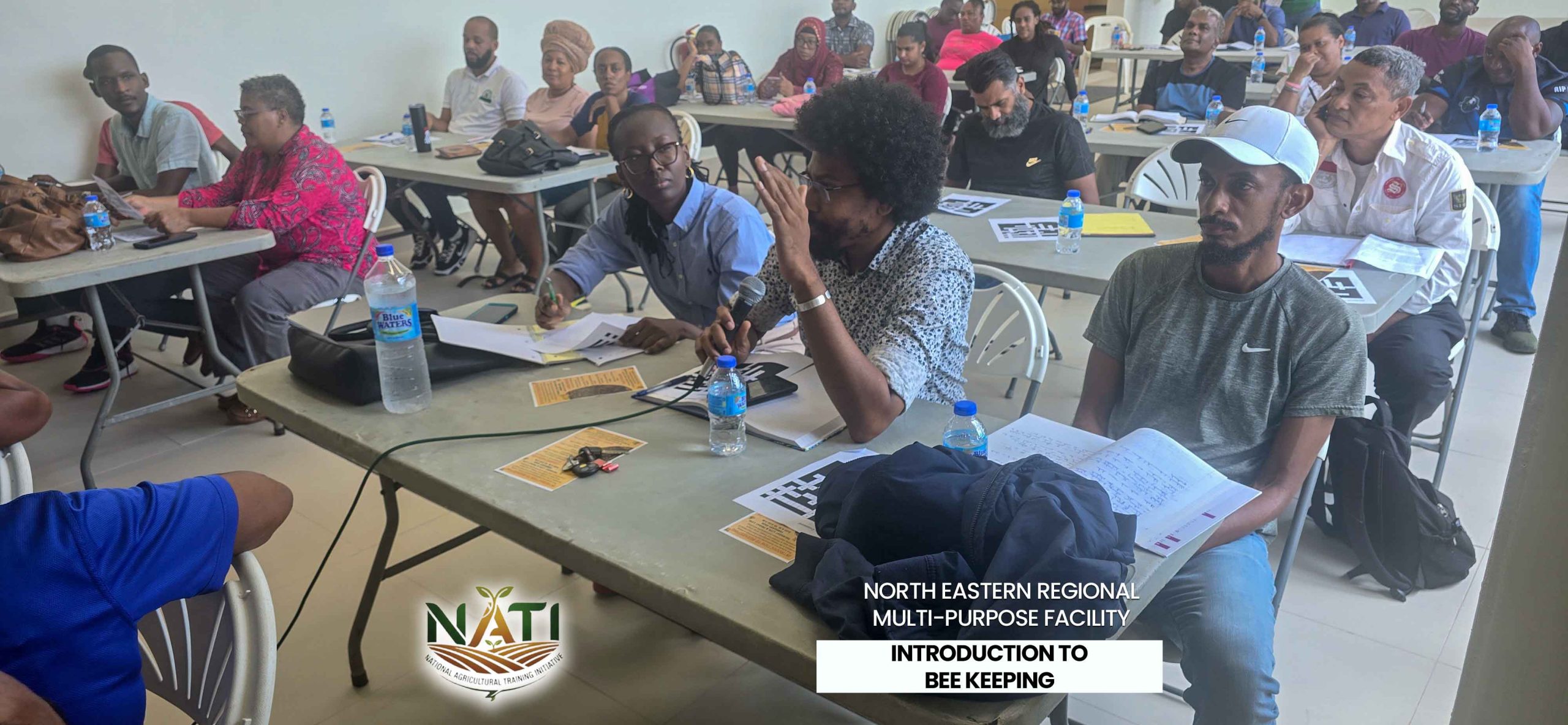
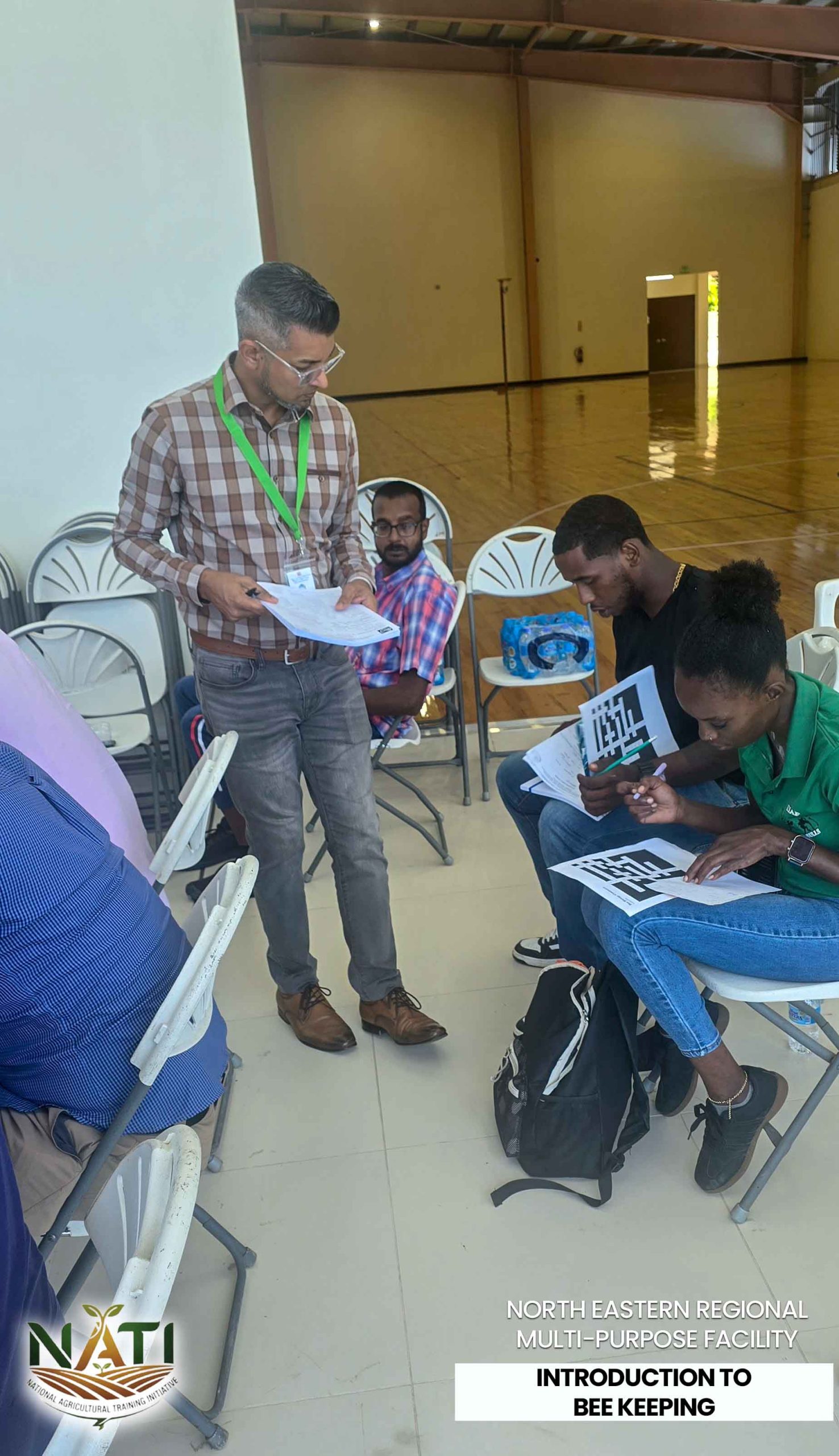
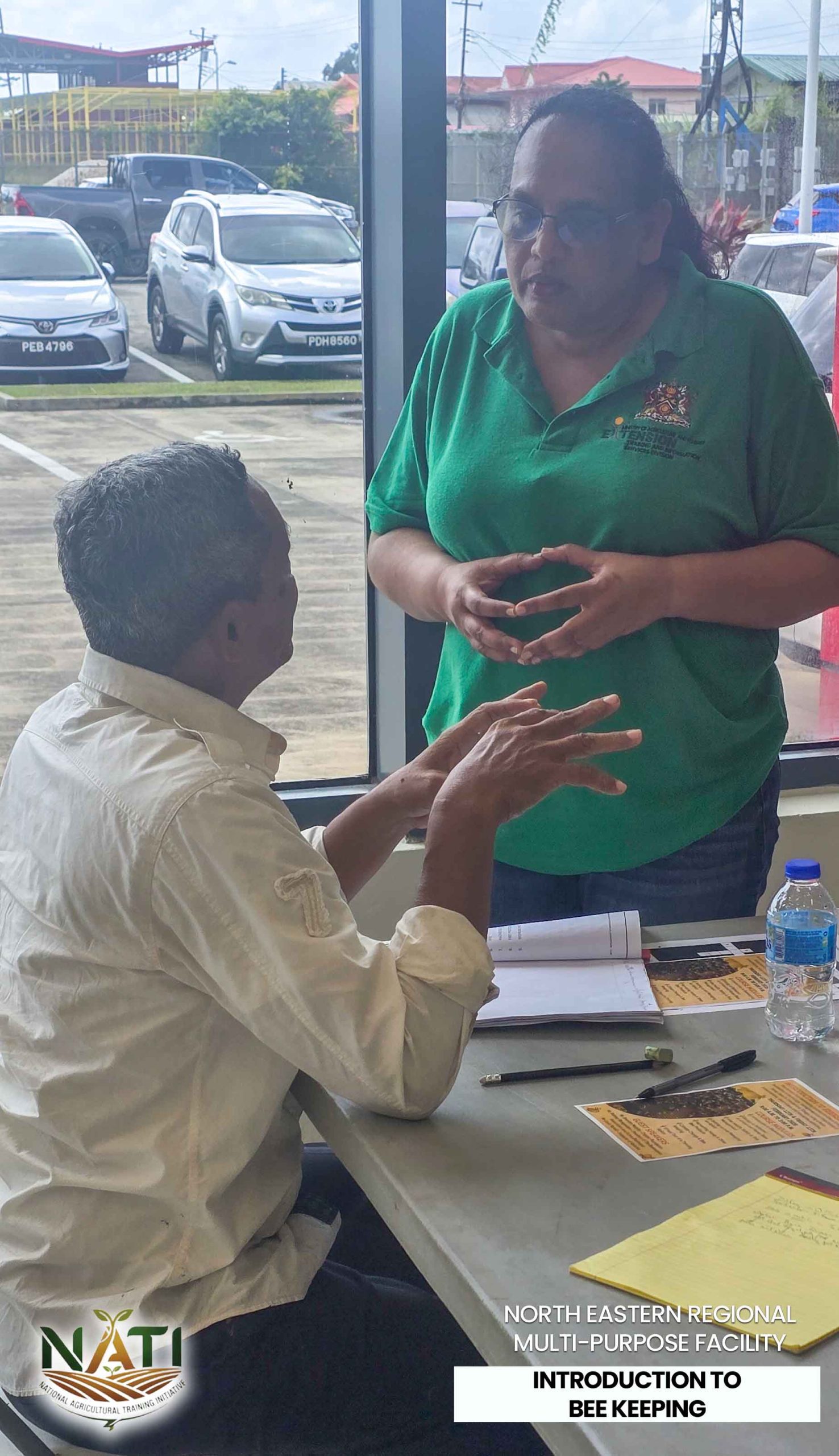
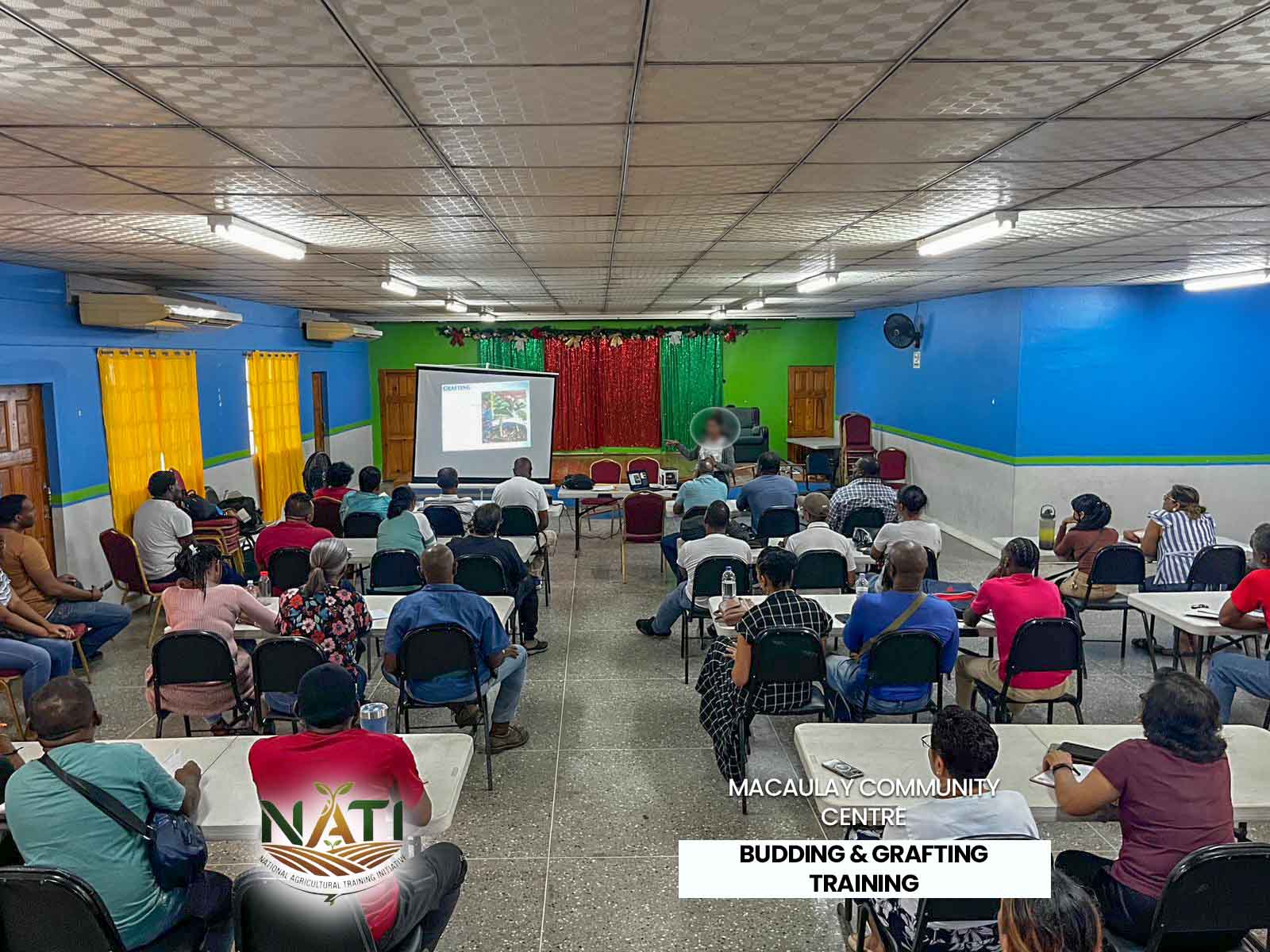
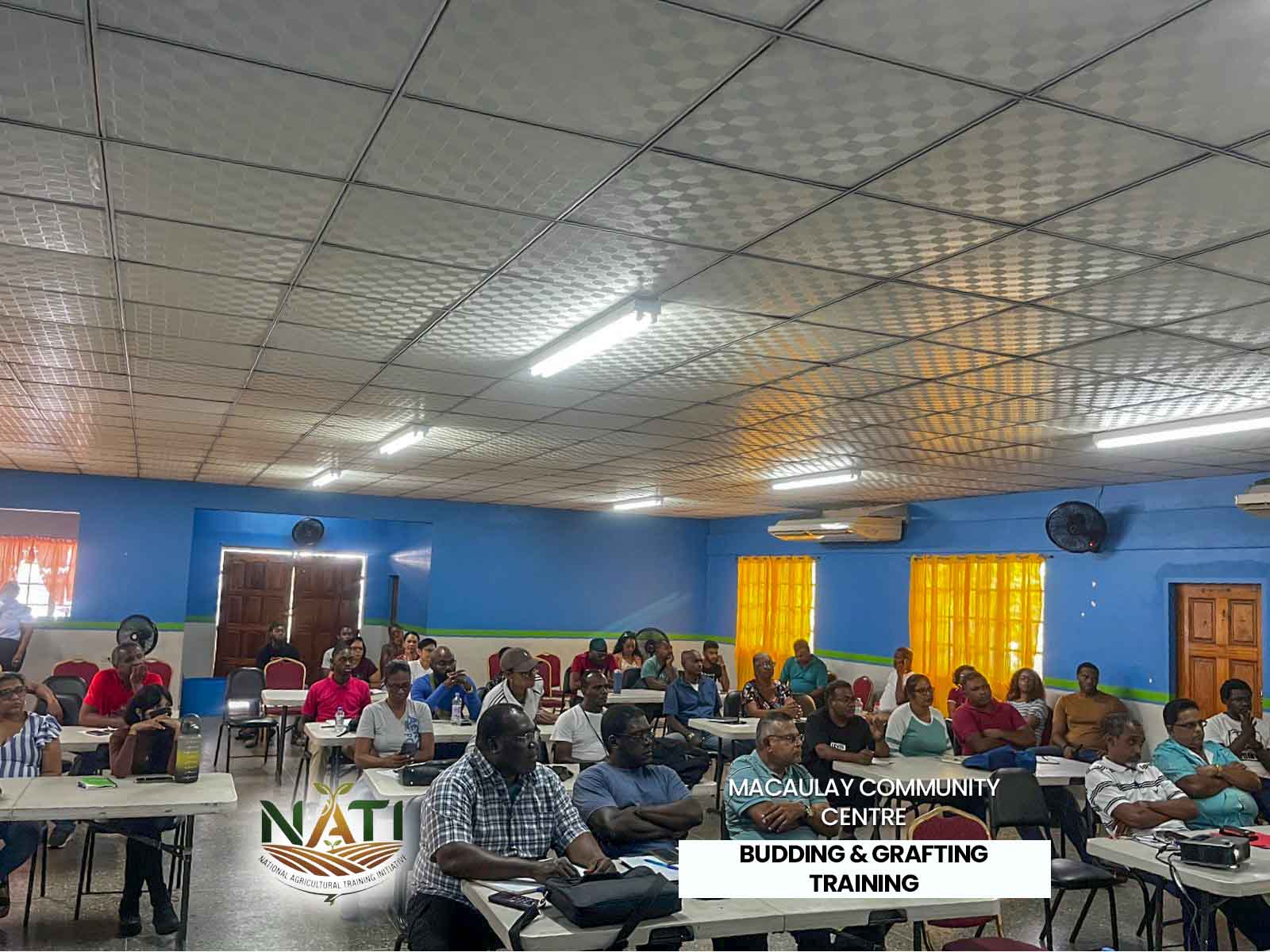
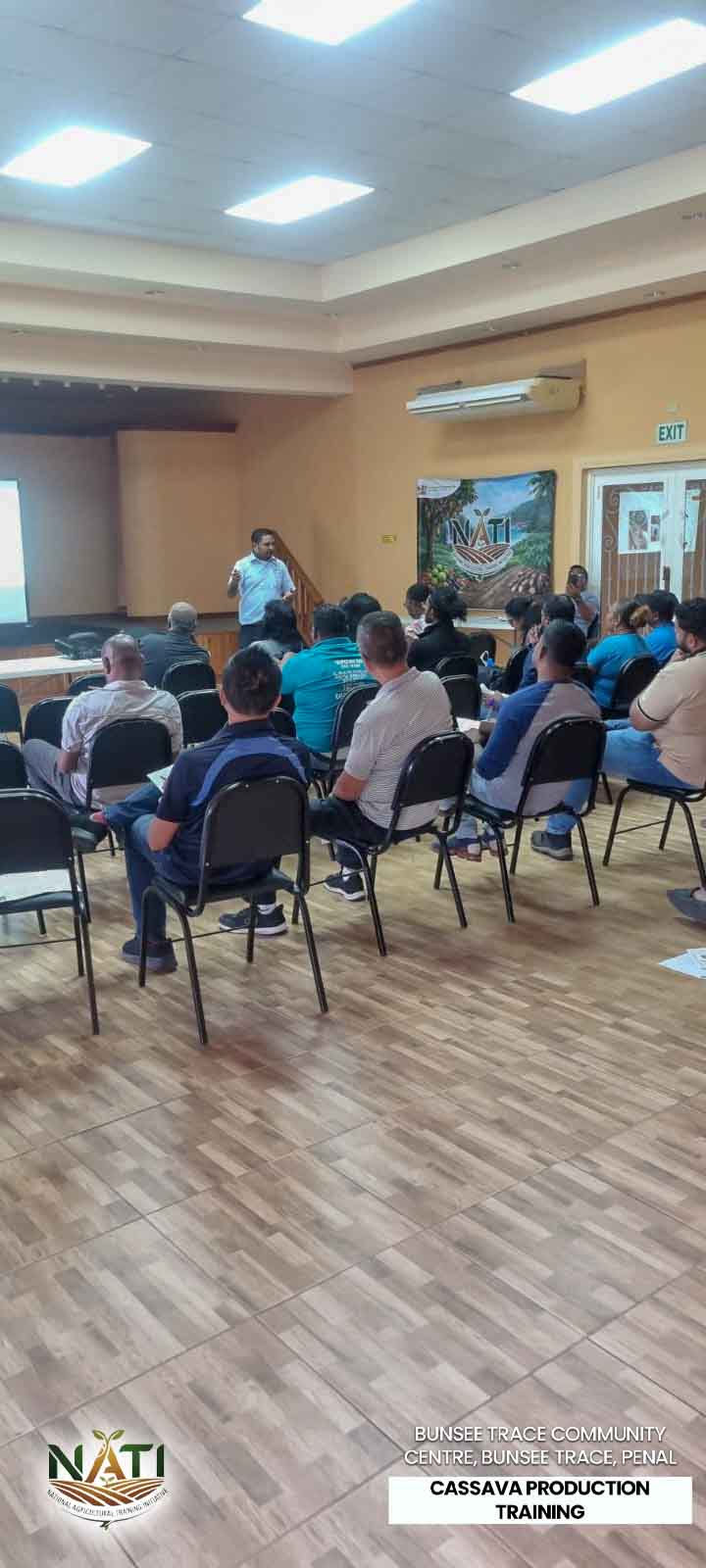
February 12, 2-26:- Under the visionary leadership of the Honorable Kamla Persad Bissessar, the Prime Minister of the Republic of Trinidad and Tobago, Minister of Agriculture and Fisheries, Senator the Honourable Ravi Ratiram, is pleased to announce the introduction of the National Agricultural Training Initiative (NATI) which commenced on Thursday February 12, 2026. This initiative is aligned to the Government’s mandate of revitalizing the agricultural sector in a bid to boost food production while contributing to the reduction of the food import bill. Such a pioneering programme is designed to empower small and medium-scale farmers, youth, women, and agricultural cooperatives with modern, sustainable, and climate-resilient farming techniques.
NATI is a comprehensive training initiative that offers practical, climate-smart, and market-relevant courses in crop production, livestock, agro-processing, and agri-technology. The programme aims to enhance productivity, add value, and strengthen food security by providing hands-on training and skills that are applicable in the field and in the market. With a strong focus on community development, NATI brings information and experience closer to citizens, making it easily accessible nationwide.
This initiative has already garnered significant national interest, with over one thousand individuals from diverse demographics participating in the first tranche of courses. The overwhelming response is a testament to the need for innovative and effective agricultural training programmes that cater to the needs of modern farmers and the broader agricultural community.
“We are thrilled to introduce NATI, which represents a significant milestone in our efforts to revolutionize the agricultural sector,” said Senator the Honourable Ravi Ratiram, Minister of Agriculture and Fisheries. “By providing our citizens with the knowledge, skills, and tools they need to succeed, we are confident that NATI will play a vital role in driving economic growth, improving food security, and promoting sustainable agriculture practices.”
NATI’s community-focused approach ensures that training is delivered in a way that is professional, relevant, accessible, and effective. The programme’s courses are designed to address the specific needs of persons whilst providing them with the expertise and resources required to thrive in an increasingly complex and competitive agricultural landscape.
The Ministry of Agriculture and Fisheries invites all interested individuals to learn more about NATI and to apply for the upcoming courses through the Ministry’s social media platforms. By working together, we can build a stronger, more resilient agricultural sector that benefits everyone.