


September 19, 2026:- The public is advised that the sale of State Game Licences (SGLs) for the 2026–2027 Hunting Season will commence on Monday 21st September, 2026. The Hunting Season in Trinidad and Tobago will officially run from October 1, 2026 to February 28, 2027. During the month of March 2027, the listed game species will be removed from the schedule and hunting will be prohibited.
Each State Game Licence costs TT$100.00 per game species, with a maximum of three (3) State Game Licences per hunter.
Hunters are reminded to familiarise themselves with the Conservation of Wild Life Act (COWA), Chapter 67:01, and to ensure that all hunting activities are conducted in accordance with the law. State Game Licences permit holders to hunt the game species specified on their respective licences on State Lands and Forest Reserves.
Hunters are also reminded of the following:
First-time hunters are required to present:
State Game Licences can be obtained at the following Forestry Division Offices in Trinidad and the Division of Food Security, Natural Resources, the Environment and Sustainable Development sales centres, as directed, in Tobago. Licences are available Monday to Friday, from 8:30 a.m. to 2:30 p.m., except on public holidays and weekends.
| STATION | TELEPHONE CONTACT |
| Forestry Office, Damarie Hill, Sangre Grande | 225-3728 |
| Forestry Office, Long Circular Road, St. James | 225-3875 |
| Forestry Office, Pleasantville, San Fernando | 225-3772 / 225-3759 |
| District Revenue Office, Chaguanas | 671-4773 |
| Forestry Office, Rio Claro | 225-3743 |
| District Revenue Office, Tunapuna | 662-2797 |
| Scarborough District Revenue Office (Tobago) | 639-4412 Ext.5 or 639-2410 |
| Roxborough District Revenue Office (Tobago) (Monday, Wednesday and Friday ONLY) | 660-4379/660-5052 |
– END-
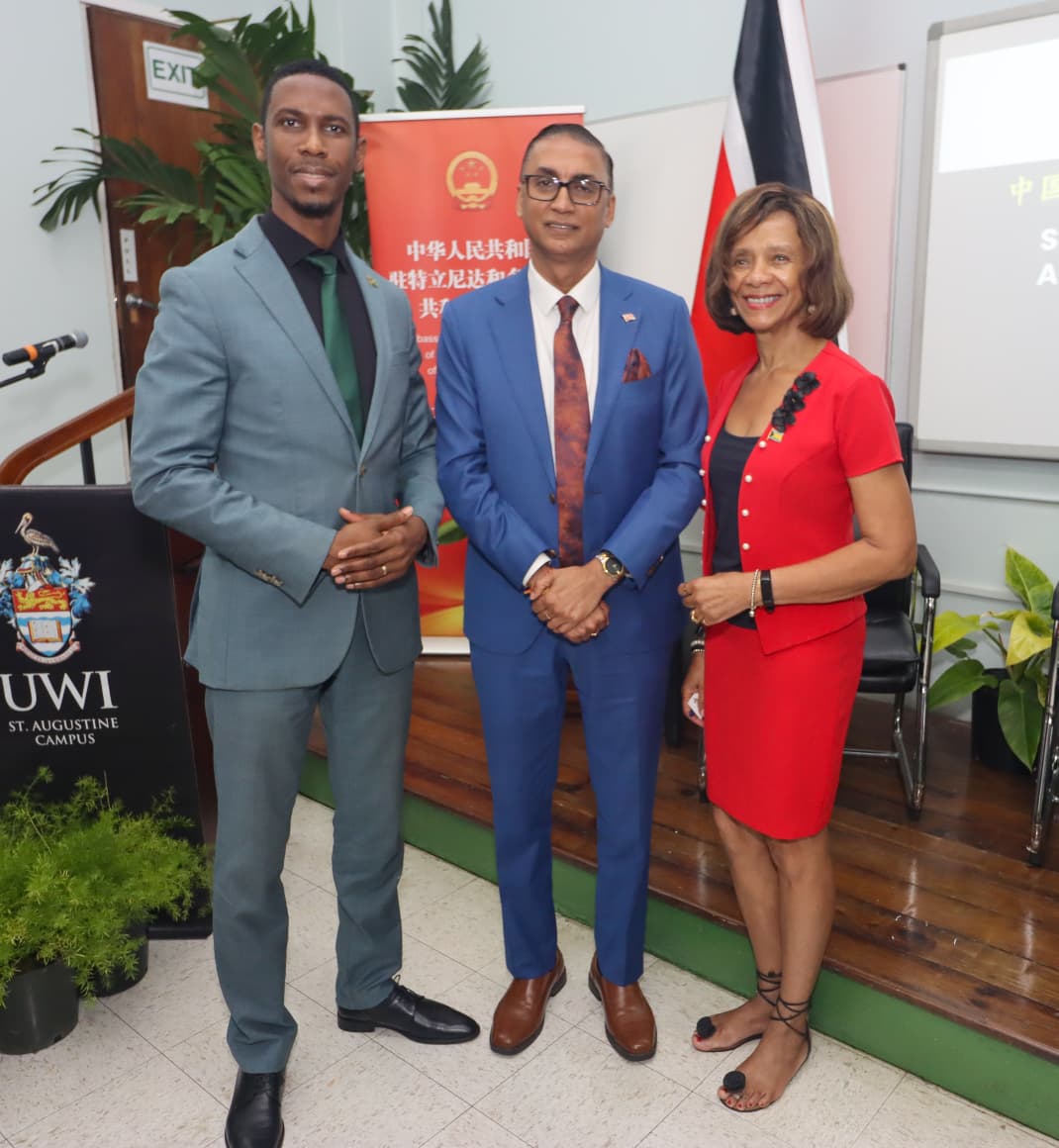
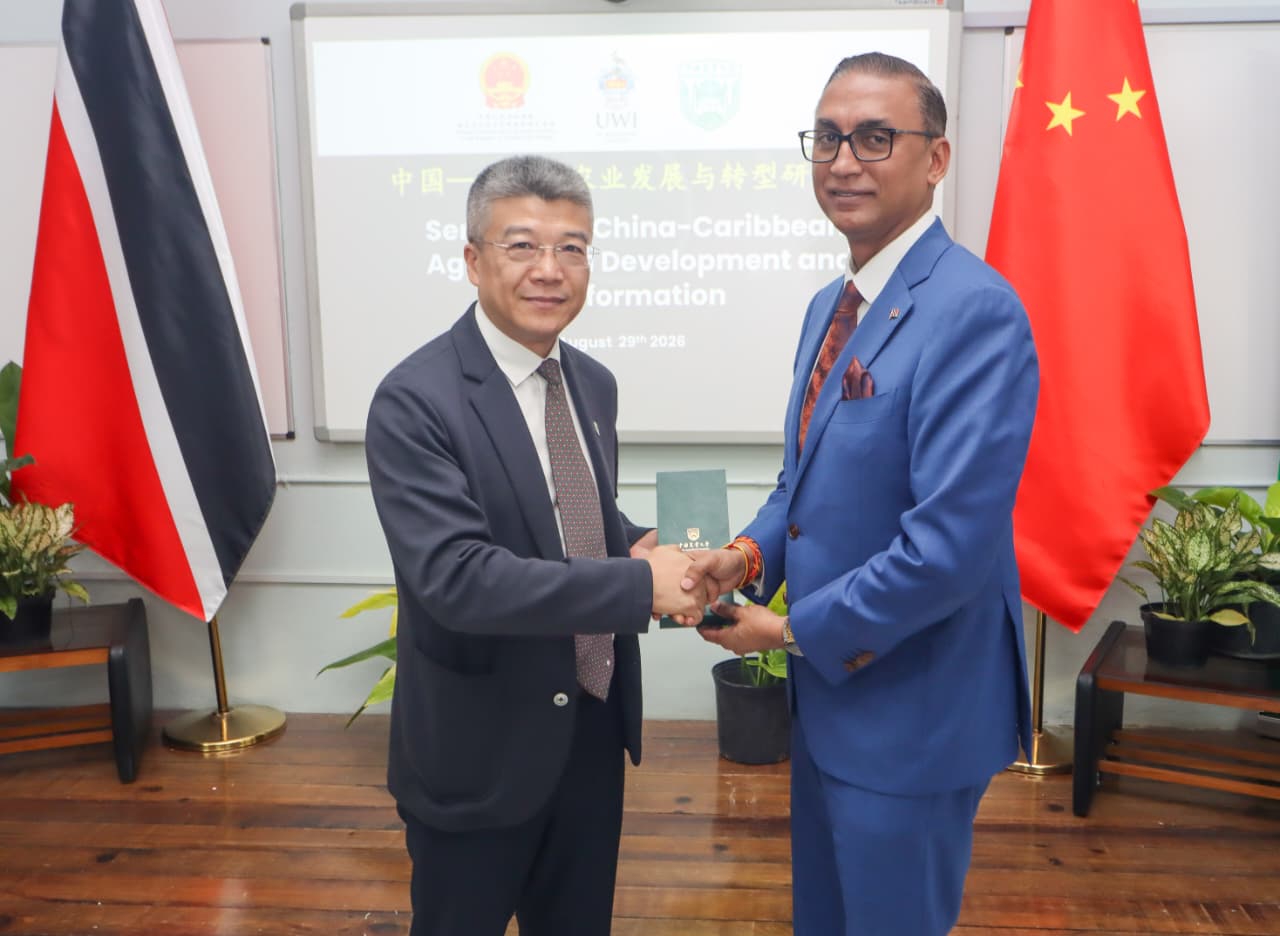
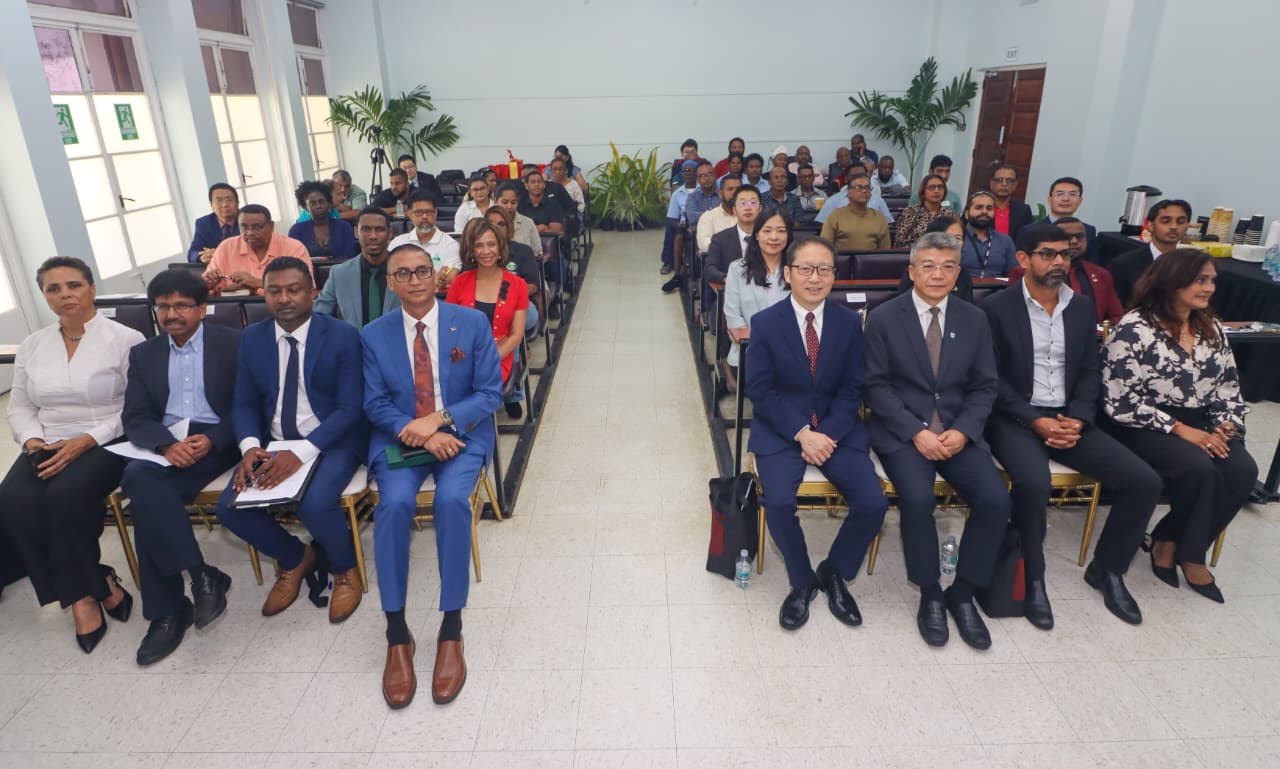
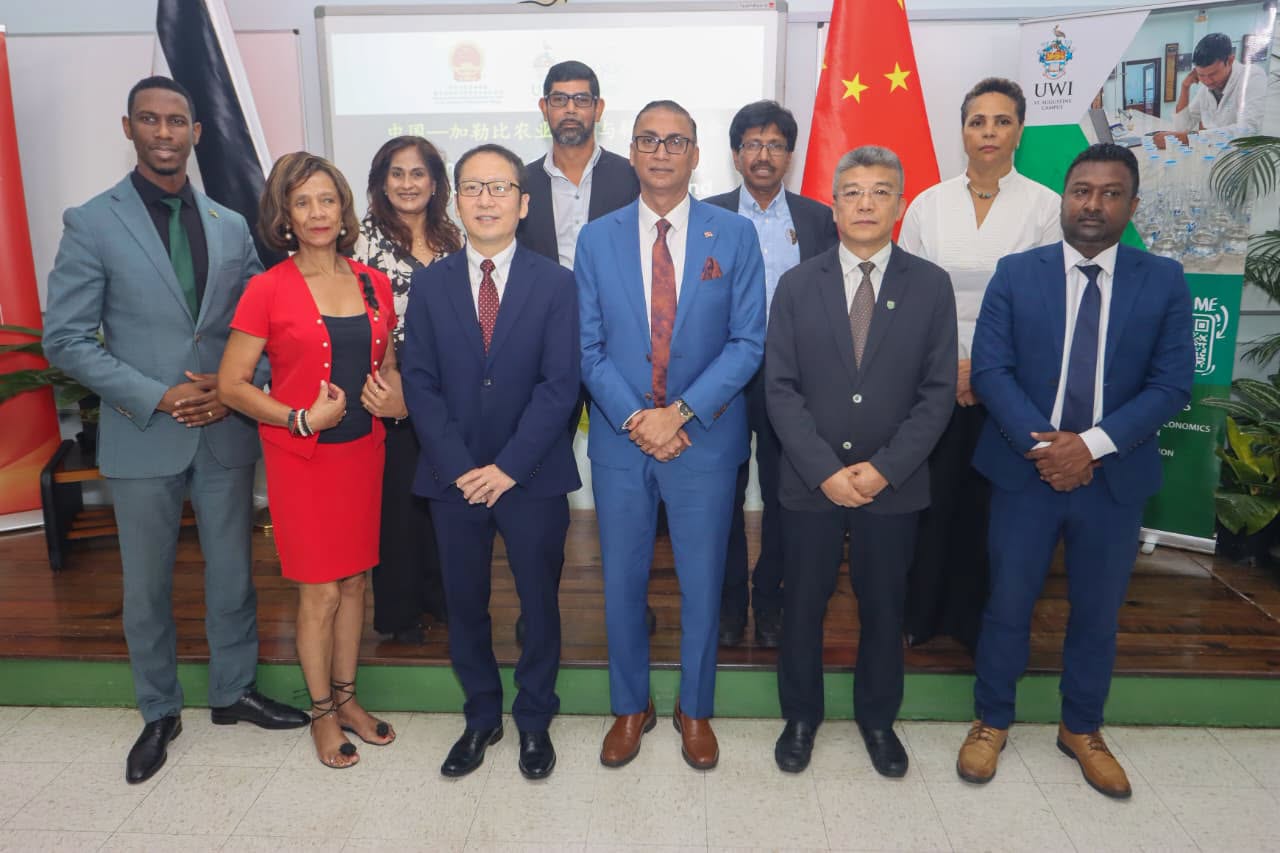
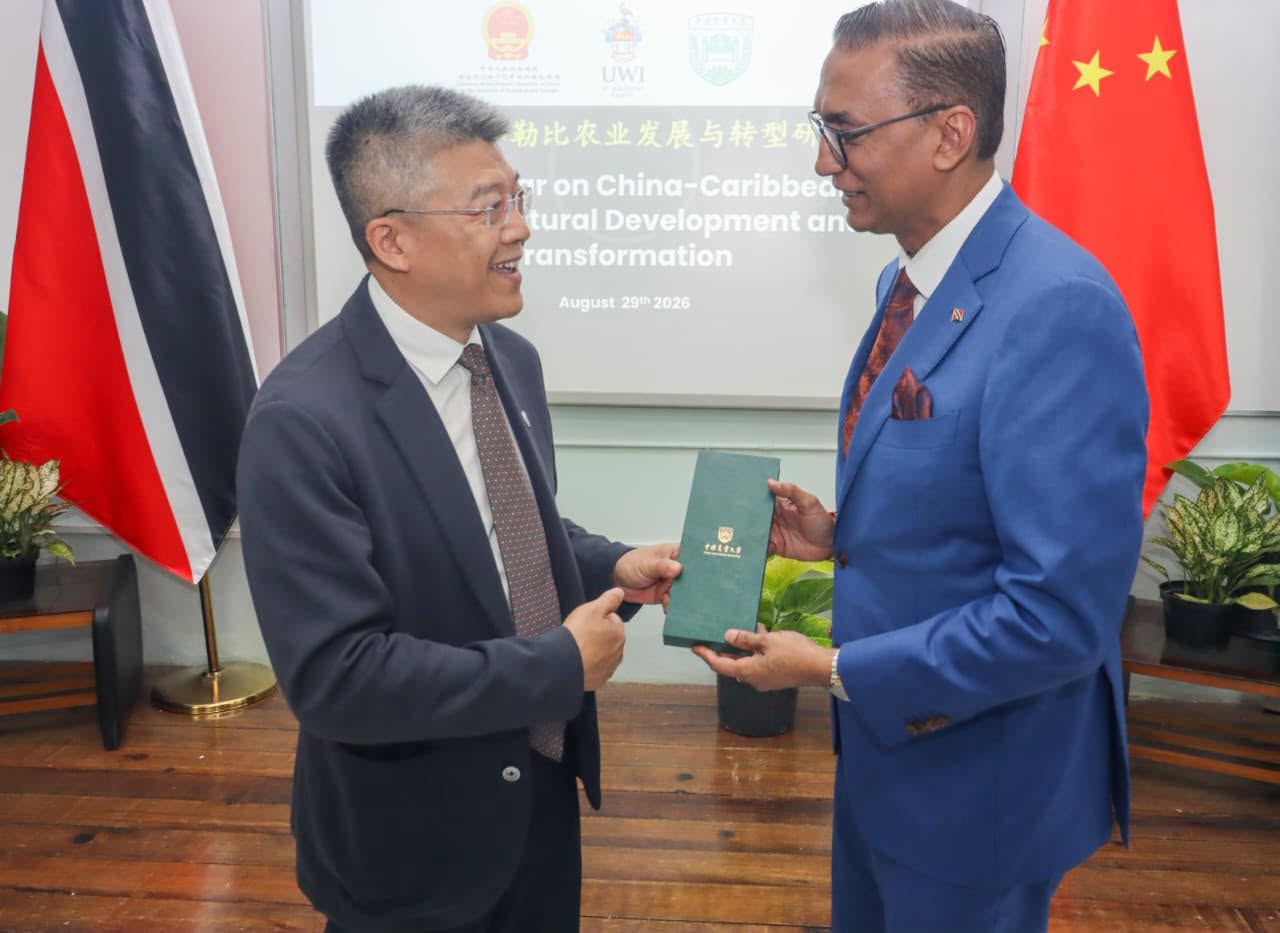
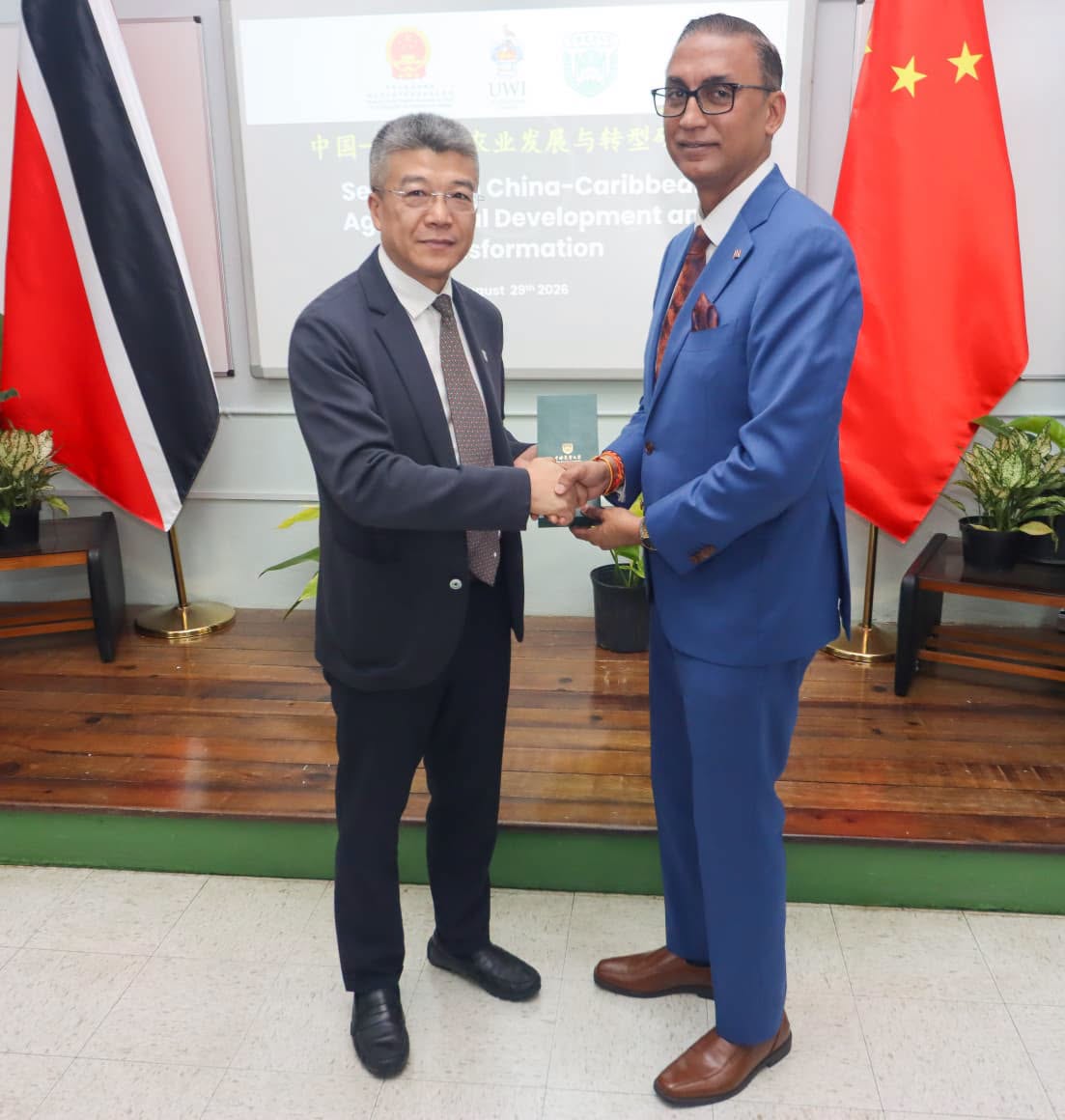
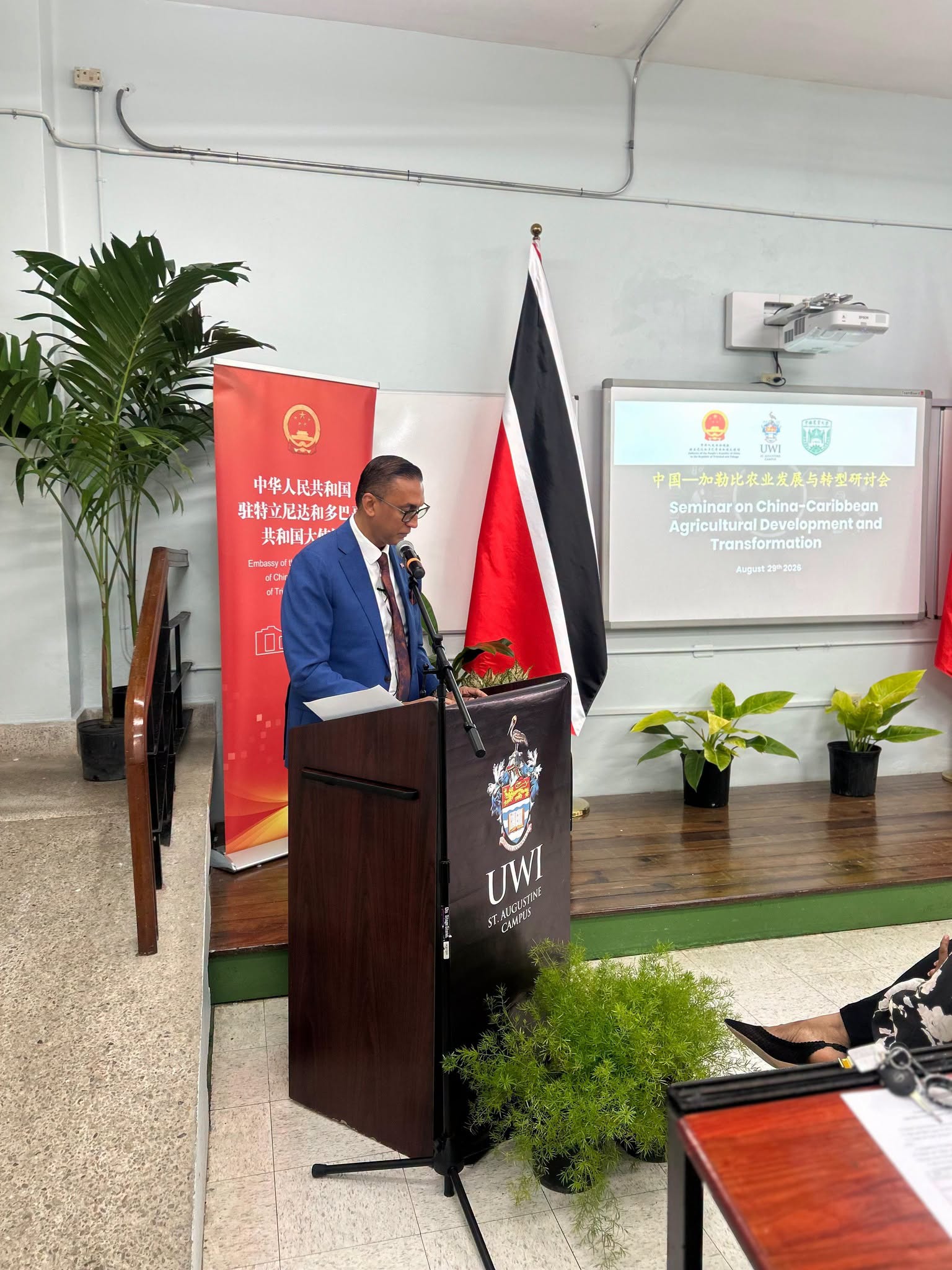
Today, Senator the Honourable Ravi Ratiram, Minister of Agriculture and Fisheries, participated in the China-Caribbean Agricultural Development and Transformation Seminar, hosted by the Embassy of the People’s Republic of China in collaboration with the Faculty of Food and Agriculture of the University of the West Indies (UWI).
The Seminar, held at the Frank Stockdale Building, UWI St. Augustine, brought together agricultural stakeholders from China, Trinidad and Tobago and the wider Caribbean to exchange knowledge and examine opportunities for collaboration in advancing agricultural development and transformation.
The programme featured remarks from His Excellency Ren Hongyan, Ambassador of the People’s Republic of China to Trinidad and Tobago; Her Excellency Dr. Elaine Davis, Consul General for The Bahamas; and Ms. Li Xuedi, Division Head, Office of Managing Science and Technology Backyard, Graduate School, China Agricultural University, as stakeholders explored opportunities to deepen cooperation in agriculture and advance practical approaches to the transformation of the sector.
In delivering the opening remarks, Minister Ratiram emphasized that stronger partnerships among governments, academia, research institutions and agricultural development organizations are important to supporting the modernization of agriculture and responding to the evolving challenges facing food production.
“Agriculture in the Caribbean is at a point where transformation is no longer an option, it is an imperative,” Minister Ratiram stated.
The engagement focused on the role of science, technology, research and innovation in strengthening agricultural productivity, resilience and food systems, while exploring opportunities for greater China-Caribbean cooperation.
The Seminar also provided an opportunity to examine China’s experience in agricultural development and the potential application of adaptable technologies within the Caribbean context, including smart farming, precision agriculture, digital platforms and other technology-driven approaches to agricultural production and management.
Minister Ratiram noted that the Ministry of Agriculture and Fisheries continues to advance initiatives aimed at increasing domestic food production, strengthening priority agricultural industries and creating greater opportunities for farmers and agricultural entrepreneurs.
Minister Ratiram welcomed the engagement and expressed the hope that the discussions would support the identification of practical areas of cooperation that can be advanced beyond the Seminar and deliver tangible benefits to farmers and agricultural stakeholders across Trinidad and Tobago and the wider Caribbean.
The Ministry of Agriculture and Fisheries remains committed to strengthening strategic partnerships that support innovation, technology adoption, agricultural productivity, food security and the sustainable development of Trinidad and Tobago’s agricultural sector.
END
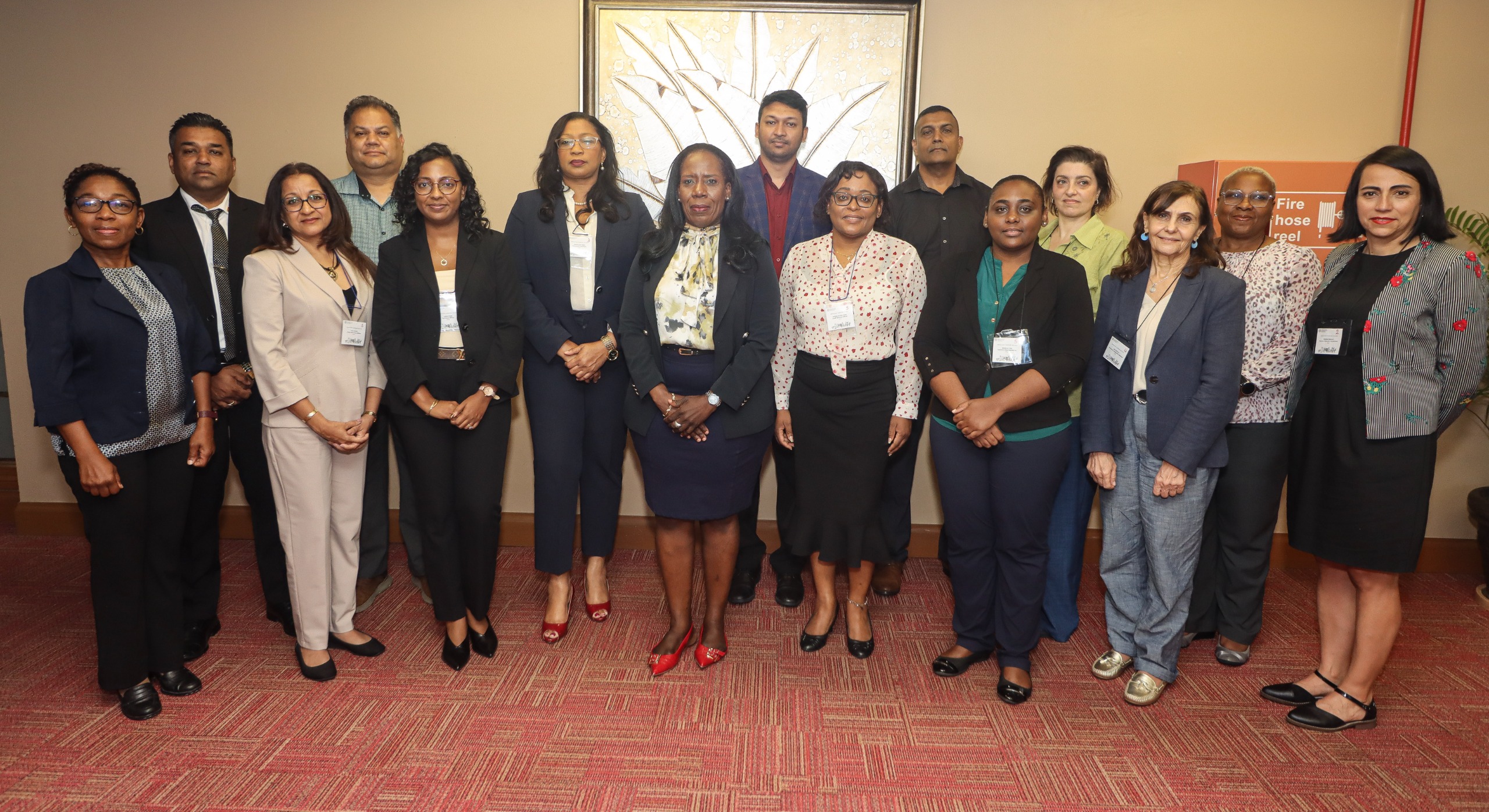
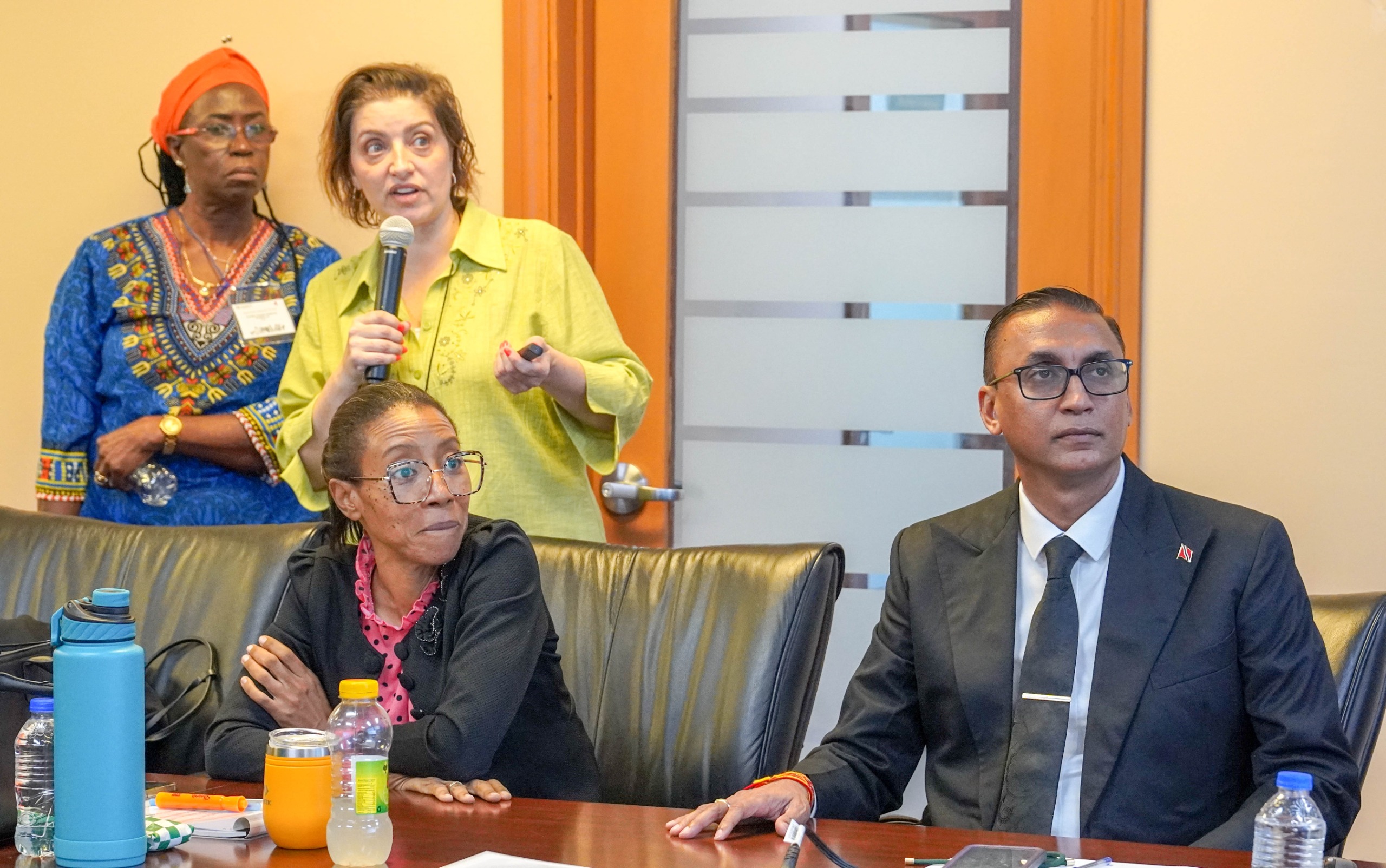
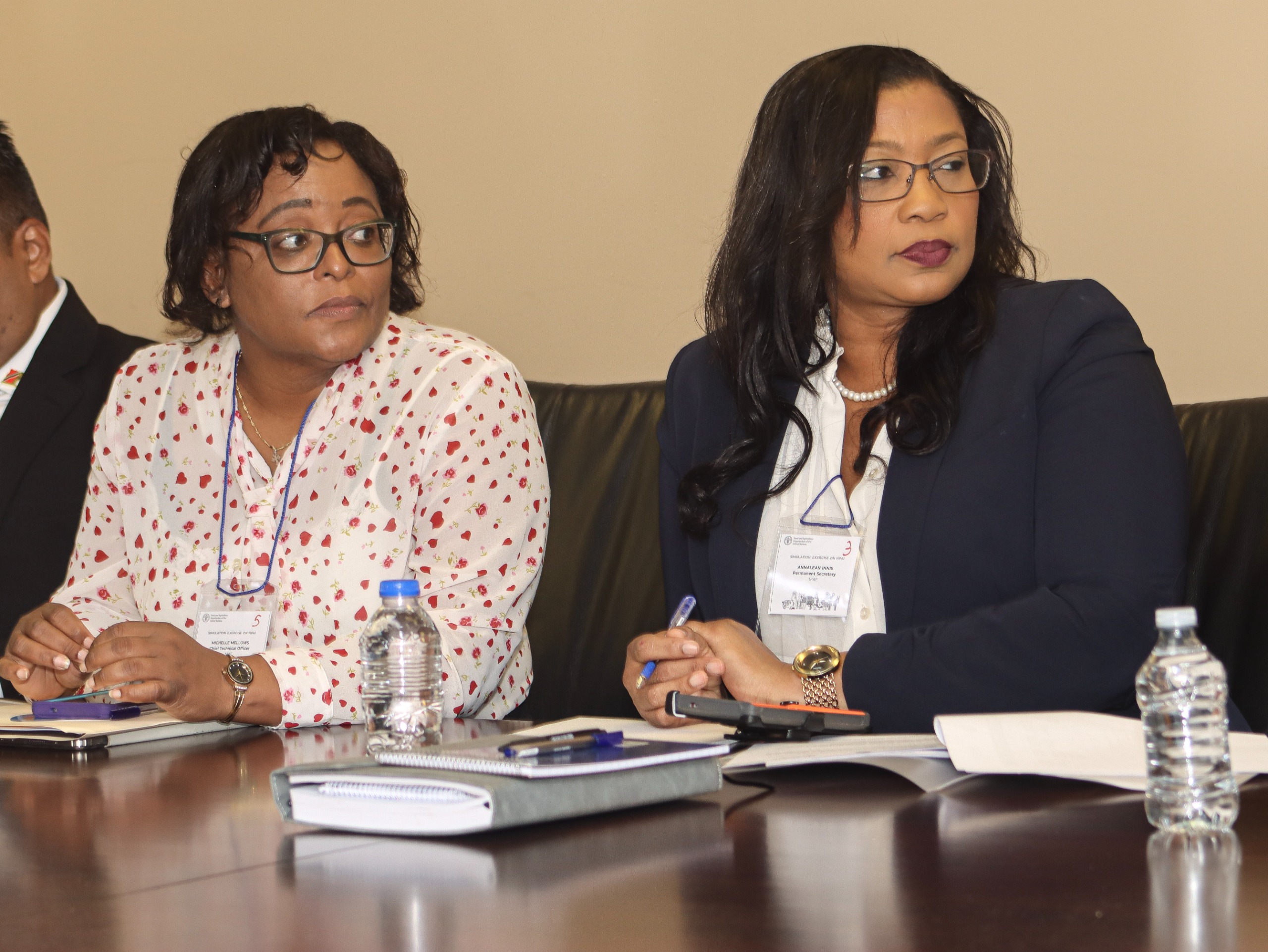
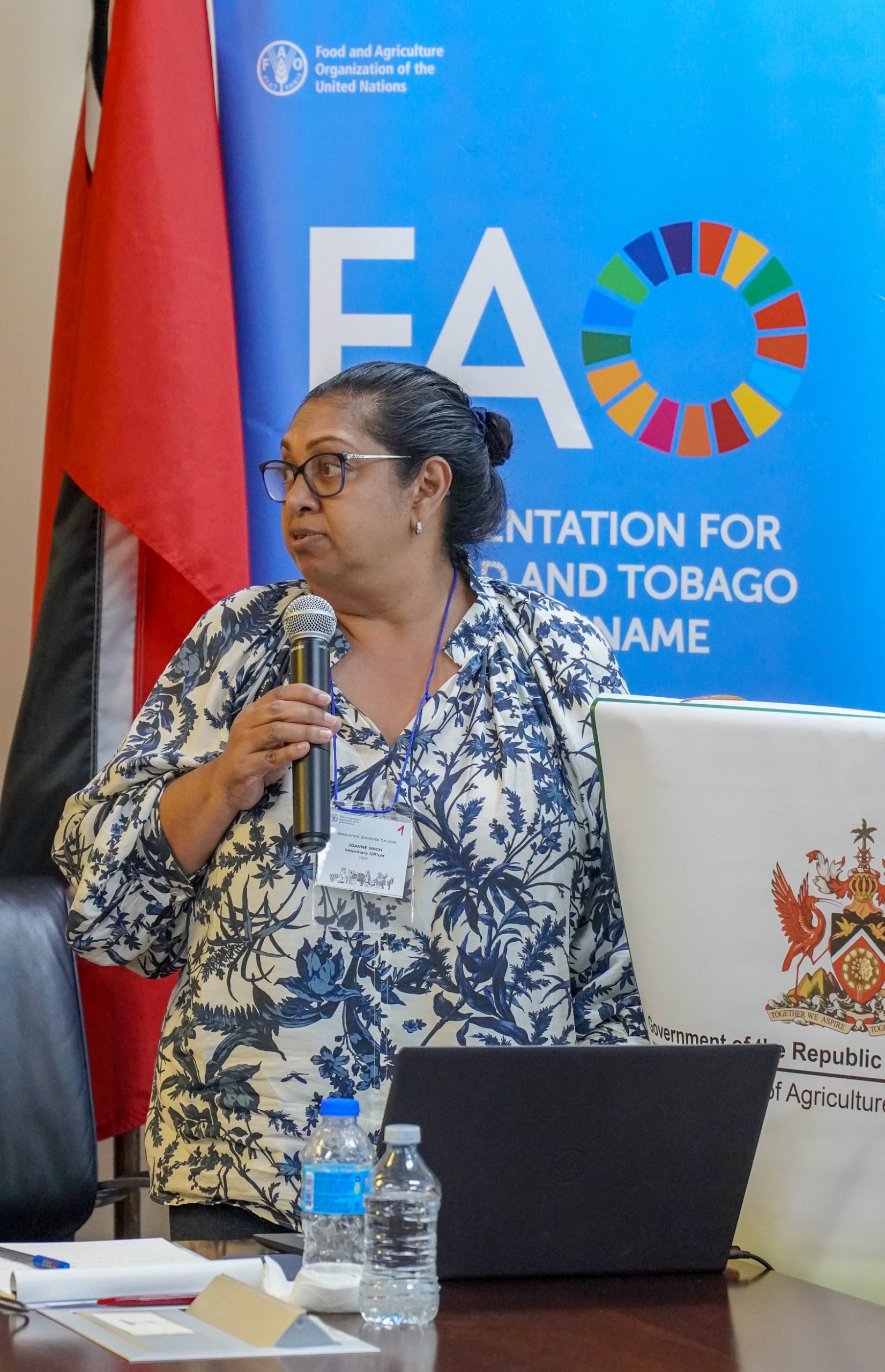
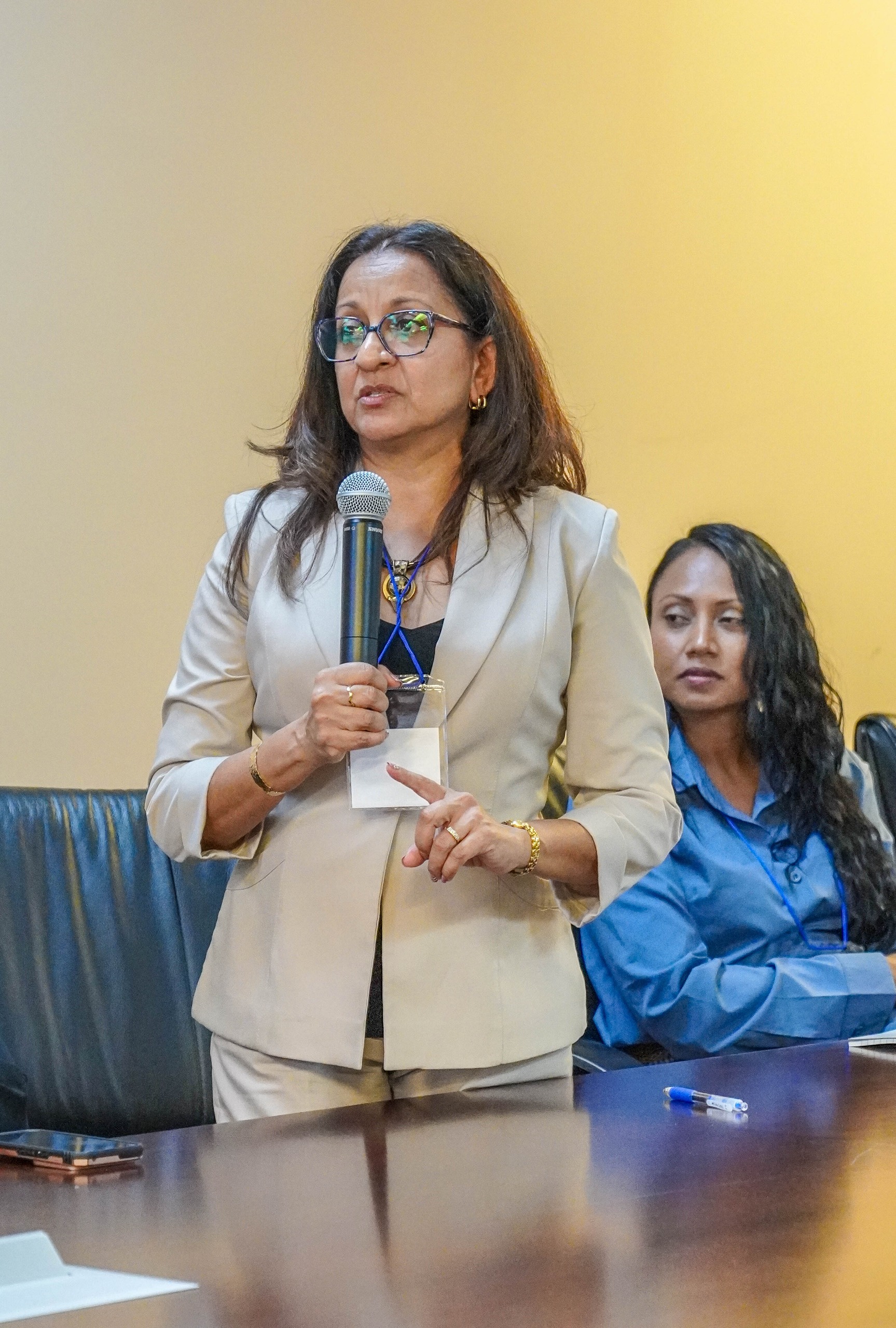
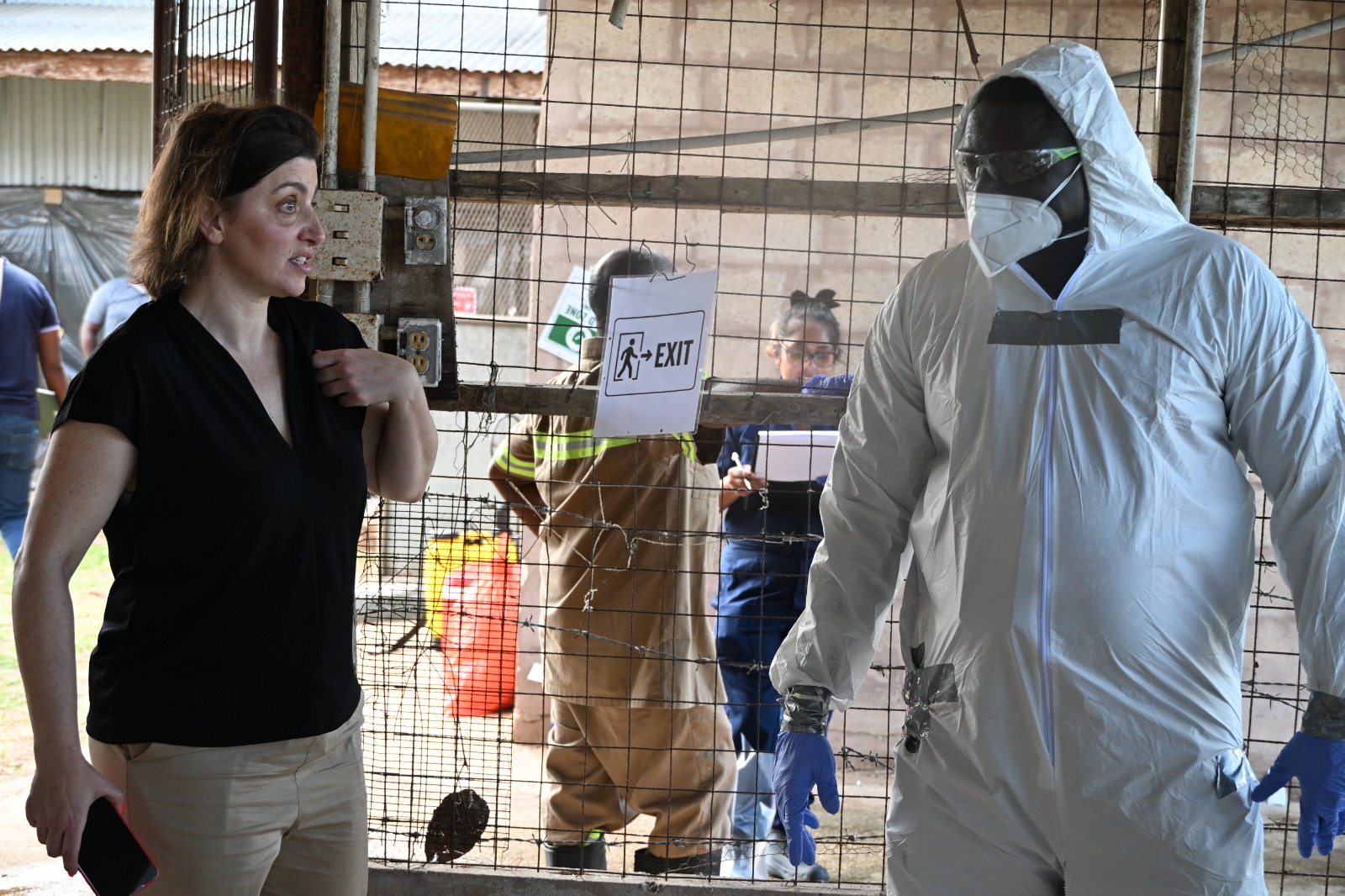
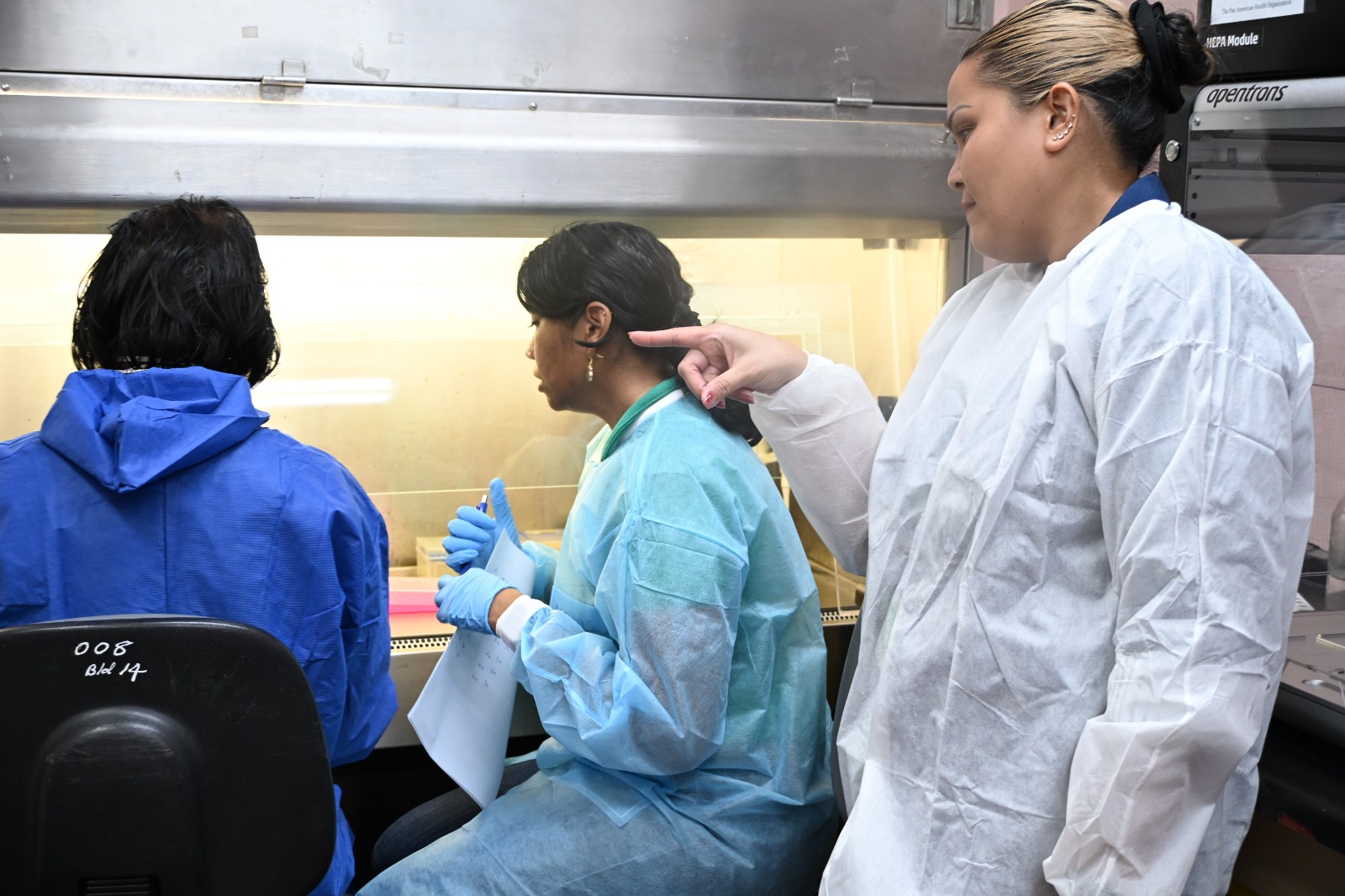
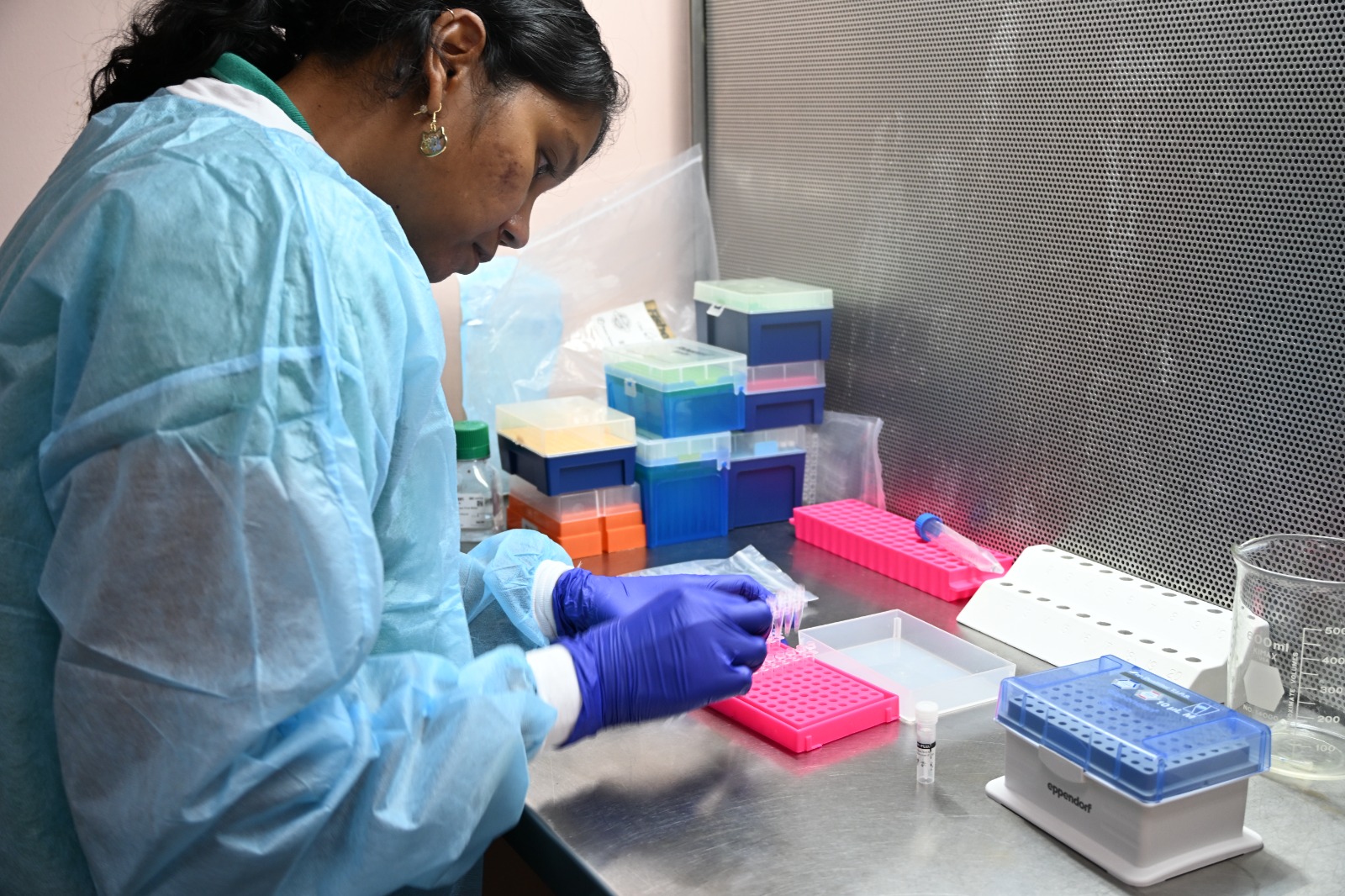
July 29, 2026:- The Ministry of Agriculture and Fisheries (MAF), in collaboration with the Food and Agriculture Organization of the United Nations (FAO) and the Division of Food Security of the Tobago House of Assembly (THA), has successfully concluded the Trinidad component of a comprehensive Highly Pathogenic Avian Influenza (HPAI) Simulation Exercise, significantly strengthening the country’s capacity to prevent, detect and respond to transboundary animal disease outbreaks.
The exercise was conducted under the FAO Technical Cooperation Programme TCP/TRI/4001 – Animal Disease Outbreak Response in Trinidad and Tobago and formed part of a broader national preparedness initiative aimed at enhancing coordination and emergency response capabilities across multiple sectors.
Bringing together veterinary professionals, laboratory personnel, emergency management agencies, public health officials, law enforcement, communications specialists and senior decision-makers, the simulation tested national systems through a series of practical and strategic activities. These included field response drills, laboratory simulation exercises, specialized risk and outbreak communications training, and a national tabletop exercise during which participants responded to evolving outbreak scenarios, assessed policy decisions, coordinated resource mobilization and evaluated national response capabilities under simulated emergency conditions.
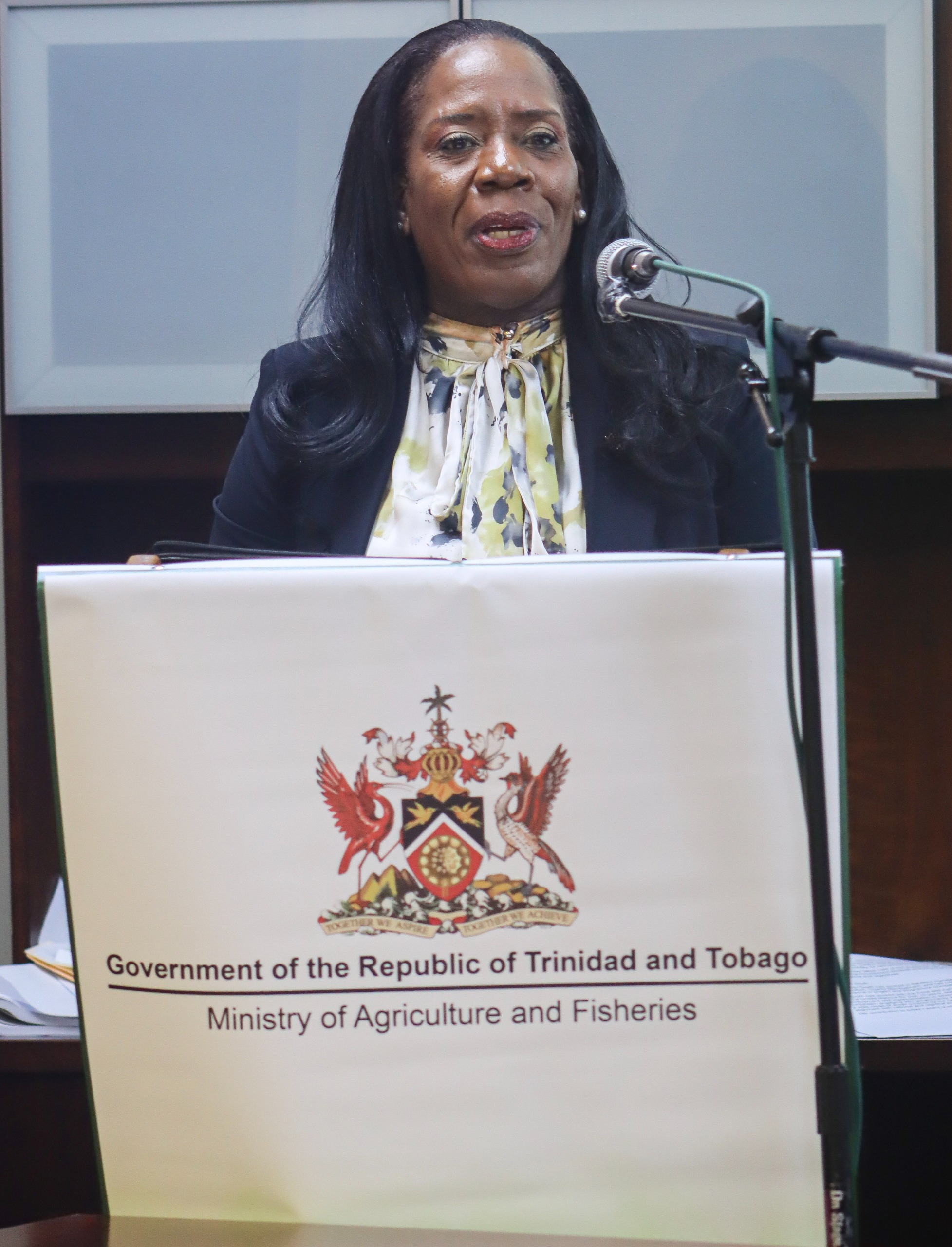
Addressing participants during the tabletop exercise, Senator the Honourable Ravi Ratiram, Minister of Agriculture and Fisheries, underscored the importance of investing in preparedness before a disease emergency occurs.
“Preparedness is not built during a crisis; it is built long before one emerges. Exercises such as these enable us to validate our systems, strengthen institutional coordination, identify operational gaps and ensure that Trinidad and Tobago remains equipped to respond swiftly, decisively and collaboratively to emerging animal health threats. Through continued investment in resilient veterinary services, strong partnerships and evidence-based planning, we are safeguarding our livestock sector, protecting rural livelihoods, strengthening food security and contributing to national resilience.”
Minister Ratiram further emphasized that diseases such as Highly Pathogenic Avian Influenza transcend institutional boundaries and require a coordinated national response that integrates animal health, public health, environmental management, emergency services and strategic communications.
Dr Gillian Smith, FAO representative for Trinidad and Tobago (ad interim) shared the Minister’s sentiments, as she emphasised the importance of investing in preparedness today to reduce risks tomorrow. “Animal disease outbreaks can have significant impacts on livelihoods, food security, public health, and trade. We are mindful that the success or failure of crisis management and mitigation responses affects the livelihoods of farmers in a very direct way. The lessons and recommendations emerging from this exercise will contribute to stronger national resilience and more effective emergency response mechanisms.”
The simulation exercise reflects FAO’s continued technical support to Trinidad and Tobago in enhancing veterinary services, strengthening emergency preparedness and promoting resilient animal health systems that align with international standards and global best practices.
The Ministry of Agriculture and Fisheries reaffirms its commitment to working closely with national, regional and international partners to strengthen disease surveillance, emergency preparedness and coordinated response mechanisms. Through sustained collaboration and evidence-based action, the Ministry continues to safeguard the livestock and poultry sectors, protect rural livelihoods, strengthen food security and enhance national resilience.

– END –
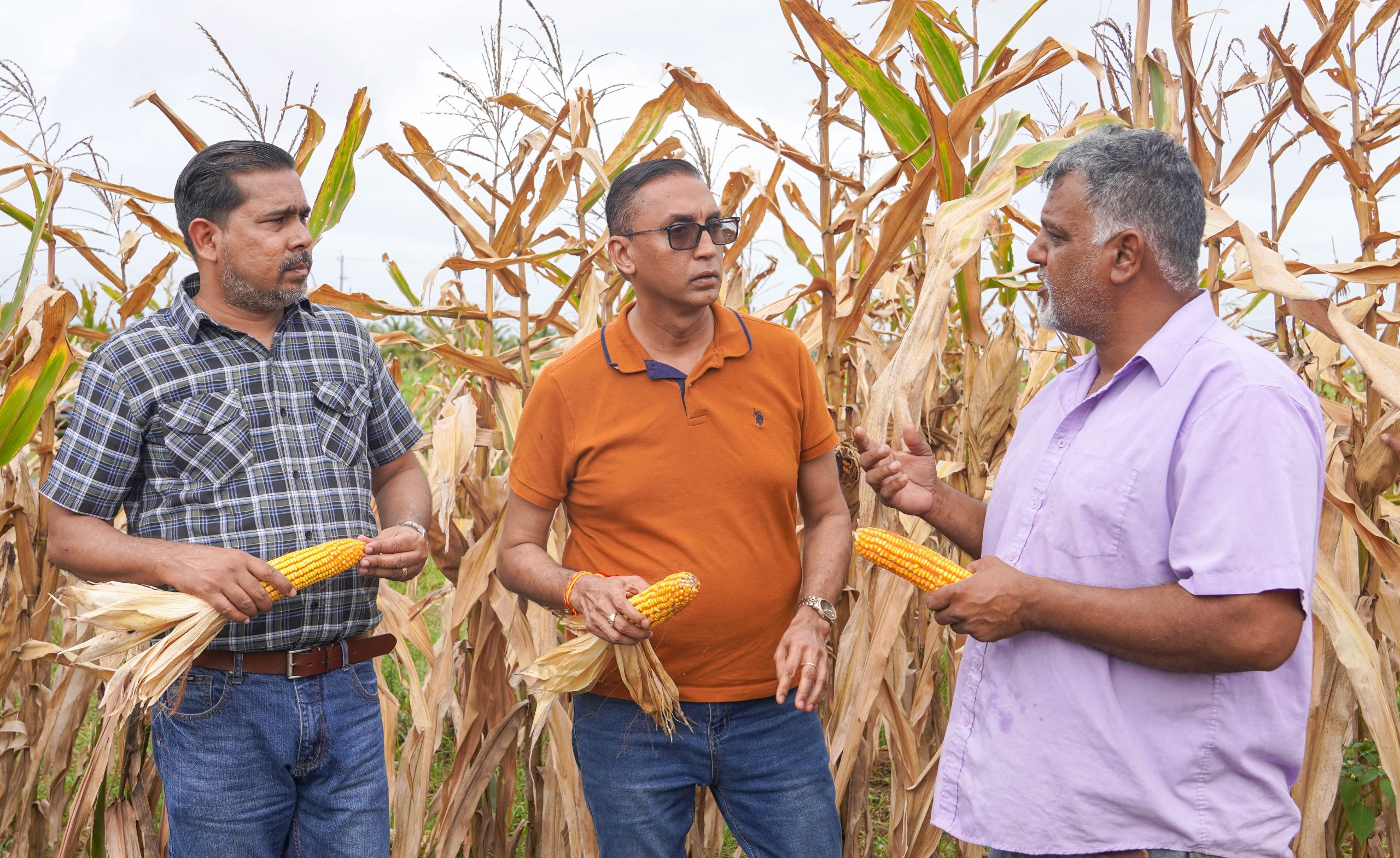
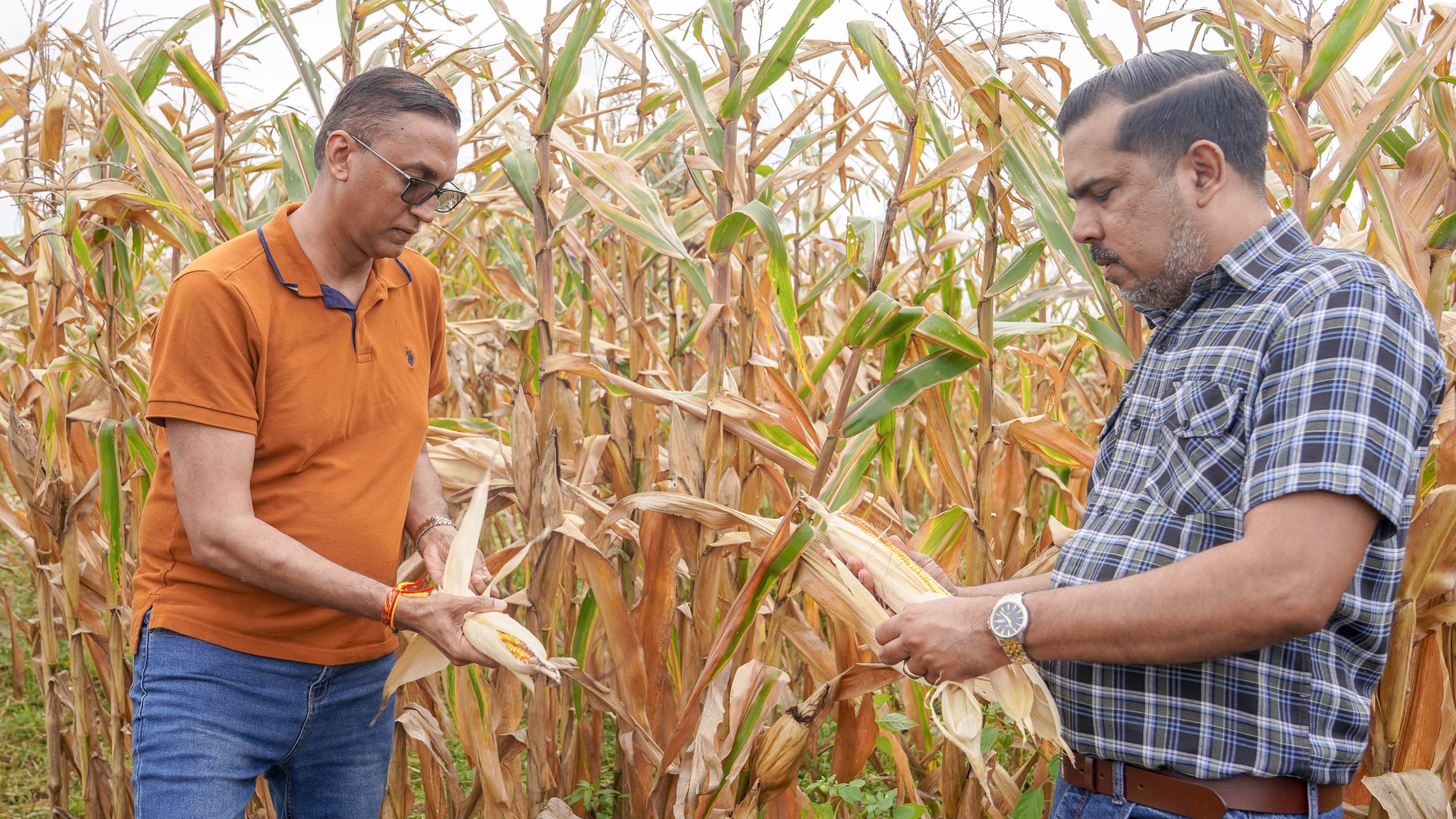
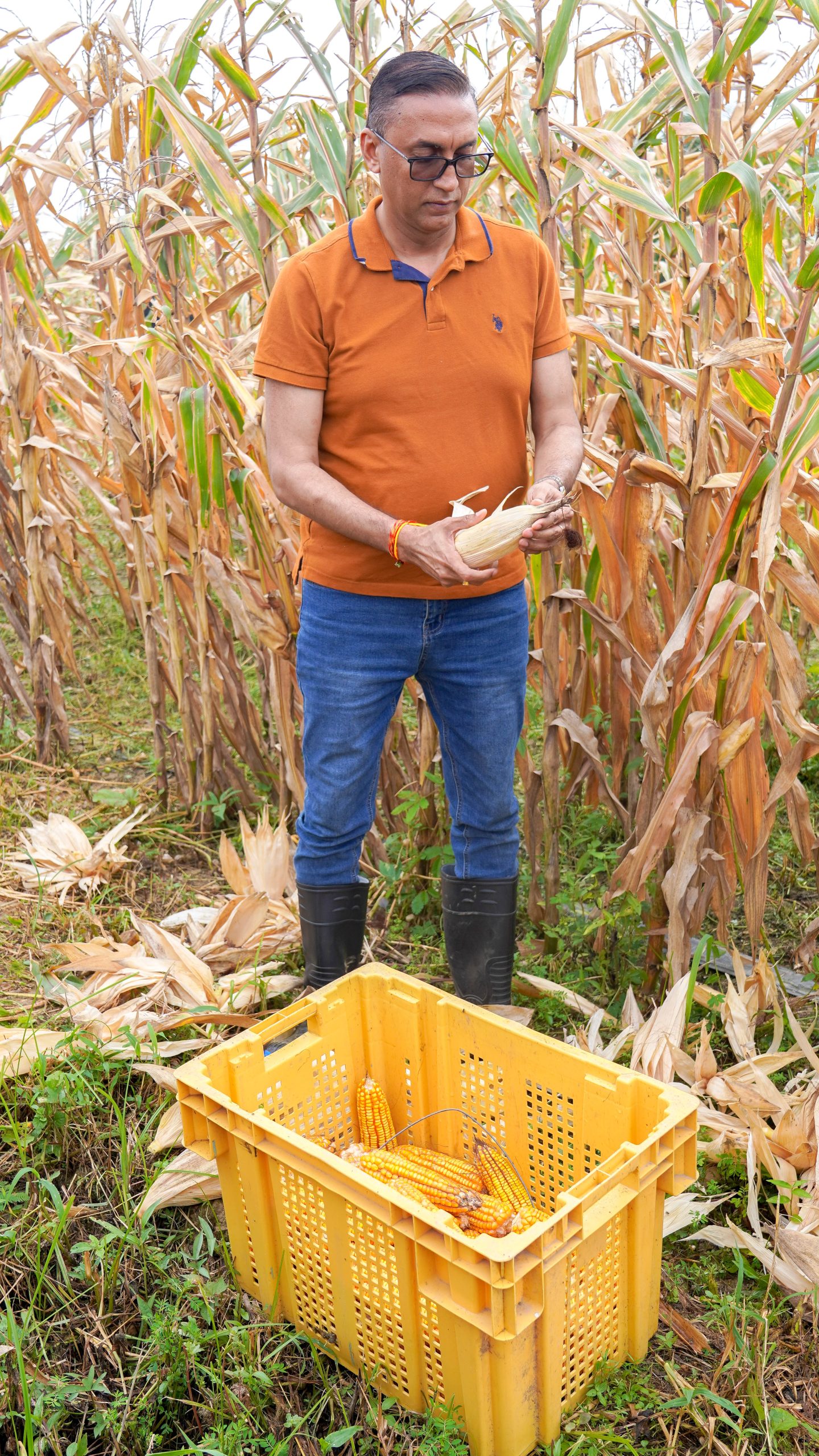
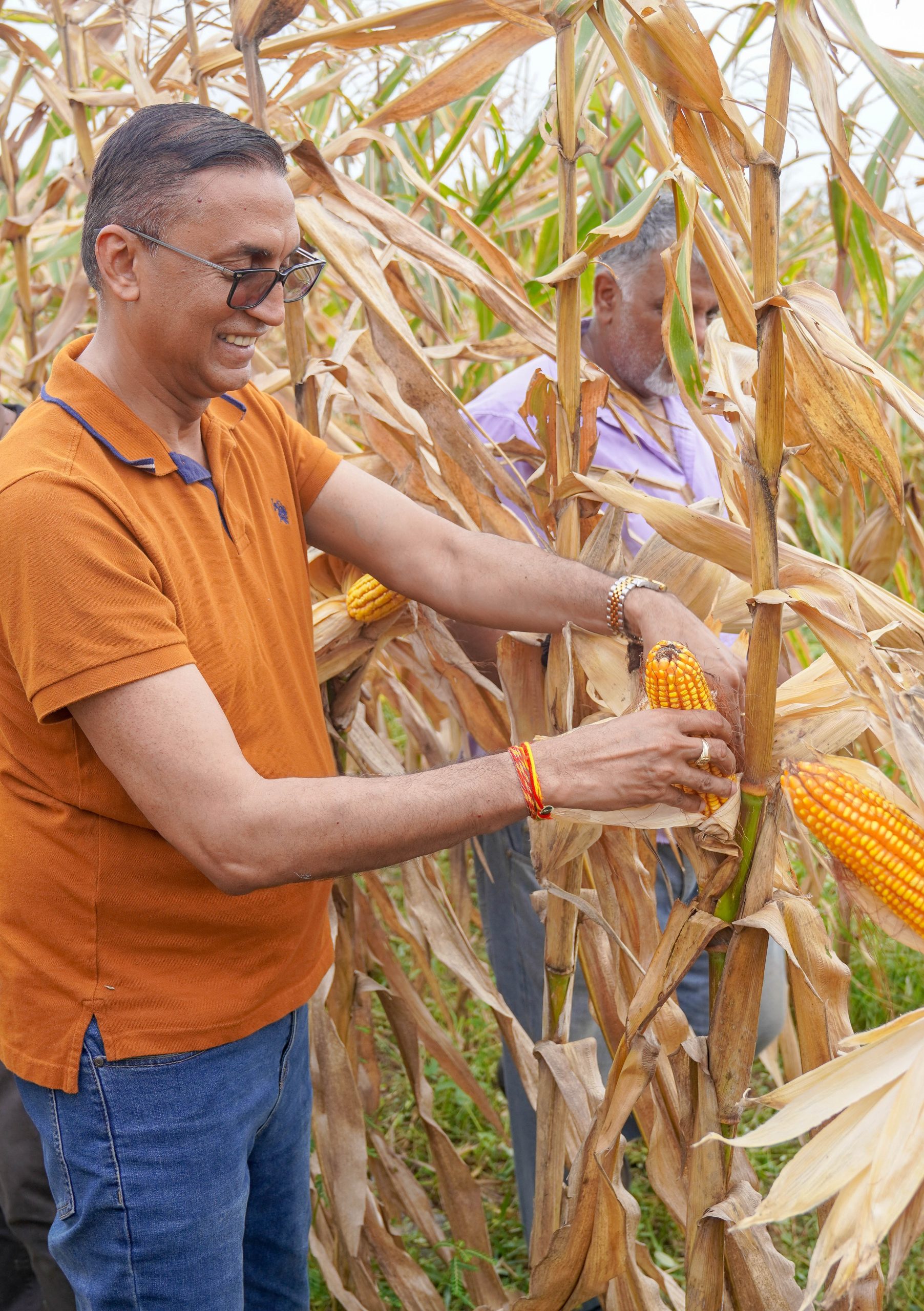
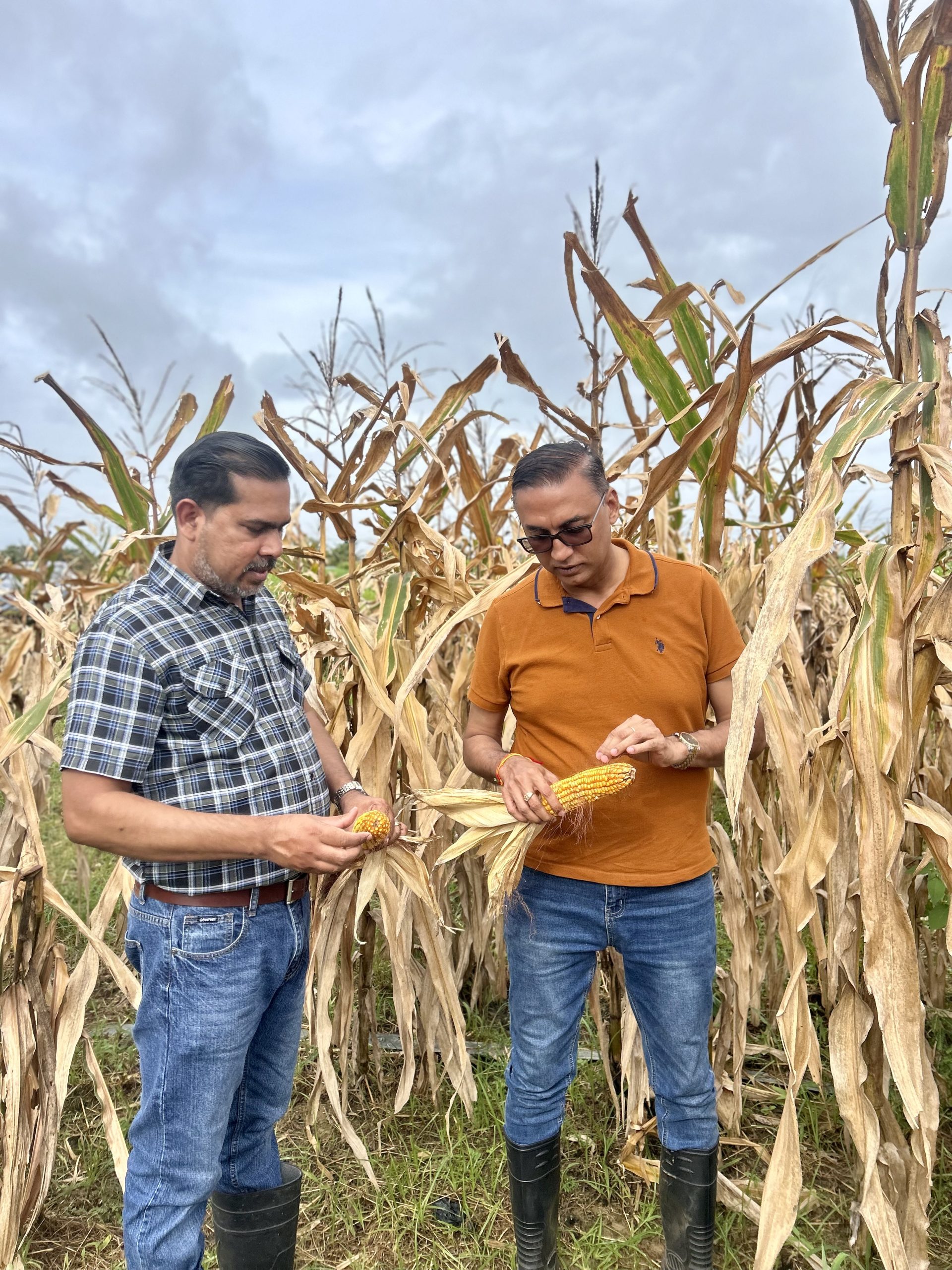
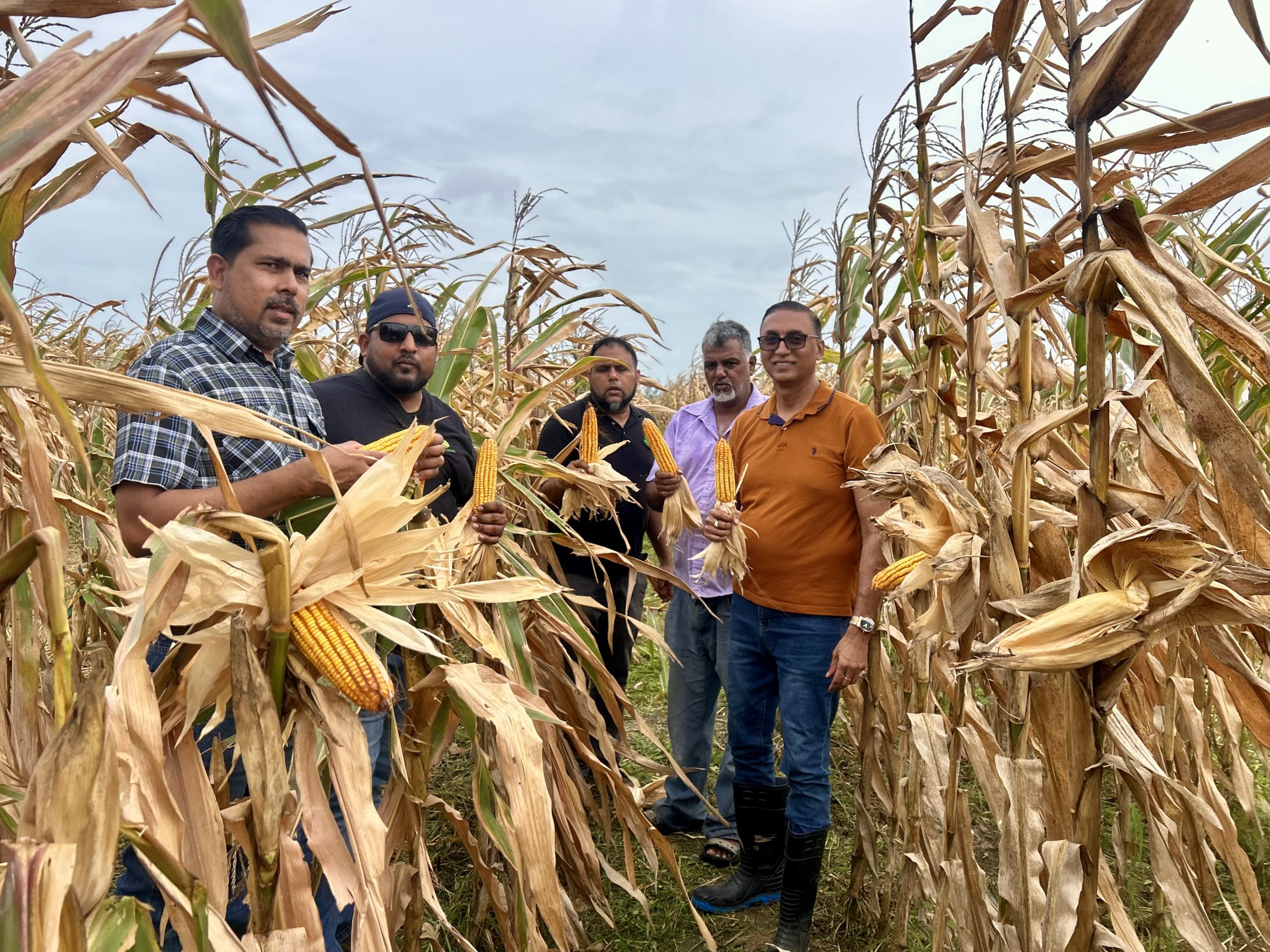
July 20, 2026:- On Saturday 18th July, 2026, the Ministry of Agriculture and Fisheries, marked another significant milestone in Trinidad and Tobago’s agricultural diversification and food security agenda with the successful harvest of corn cultivated under the Ministry’s Pilot Programme for Black Eye Bean, Corn and Soya Beans Production.
The harvest brought together Senator the Honourable Ravi Ratiram, Minister of Agriculture and Fisheries, Executive Director of the Caribbean Agricultural Research and Development Institute (CARDI) Ansari Hosein, technical officers and farmers to observe the progress of the initiative, which forms part of the Ministry’s broader strategy to strengthen domestic feed grain production, enhance food security and reduce dependence on imported agricultural commodities.
Speaking at the harvest, Minister of Agriculture and Fisheries, Senator the Honourable Ravi Ratiram, described the successful harvest as another important milestone in the Ministry’s commitment to building a more resilient and self-sufficient agricultural sector.
“This harvest demonstrates the tremendous potential for producing feed corn locally and reinforces our commitment to strengthening Trinidad and Tobago’s food production systems through science, innovation and strategic partnerships. By investing in research-driven initiatives such as this pilot programme, we are laying the foundation for a more resilient livestock sector, reducing our dependence on imported feed grains and creating new opportunities for sustainable agricultural growth.”
Minister Ratiram also noted that the project will continue to undergo comprehensive technical evaluation to assess production efficiency, yield performance and opportunities for phased expansion into larger-scale commercial cultivation.
The harvested grain from the pilot crop is being dried at the National Seed Bank, where it will undergo further nutritional and food safety analysis, then shared with local feed mills and livestock farmers for feedback on its potential for use as a replacement to imported corn grain and utilized for ongoing animal feed research. Further scientific analysis will be conducted by CARDI to support future varietal selection and production research to replicate the above-average yields noted during this first harvest as the Ministry advances the next phase of the programme.
The Ministry of Agriculture and Fisheries remains committed to advancing sustainable, production-driven agriculture capable of supporting economic diversification, food import bill reduction, strengthening the livestock sector and improving national food security through strategic initiatives such as the Pilot Programme for Black Eye Bean, Corn and Soya Beans Production.
END
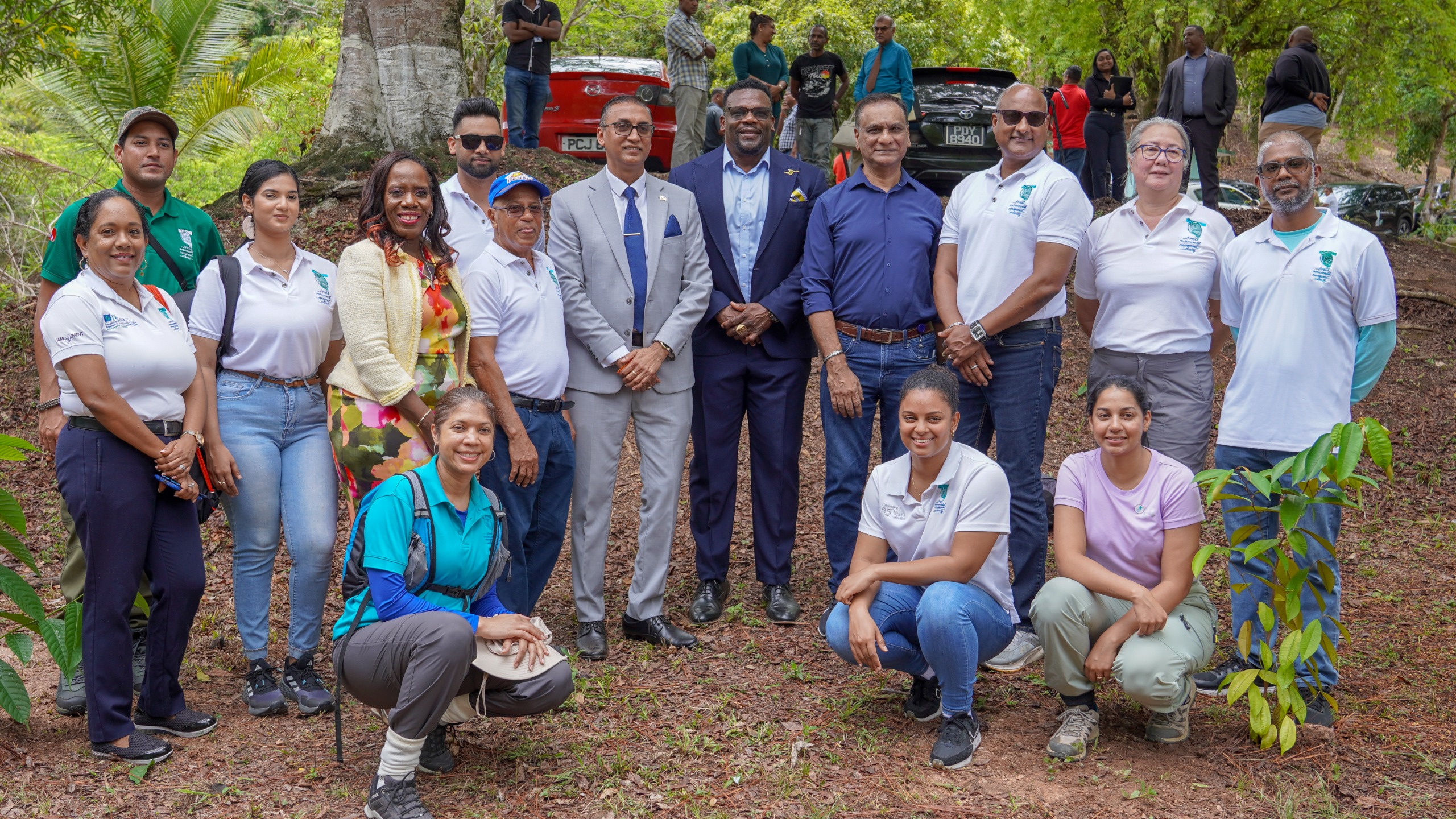
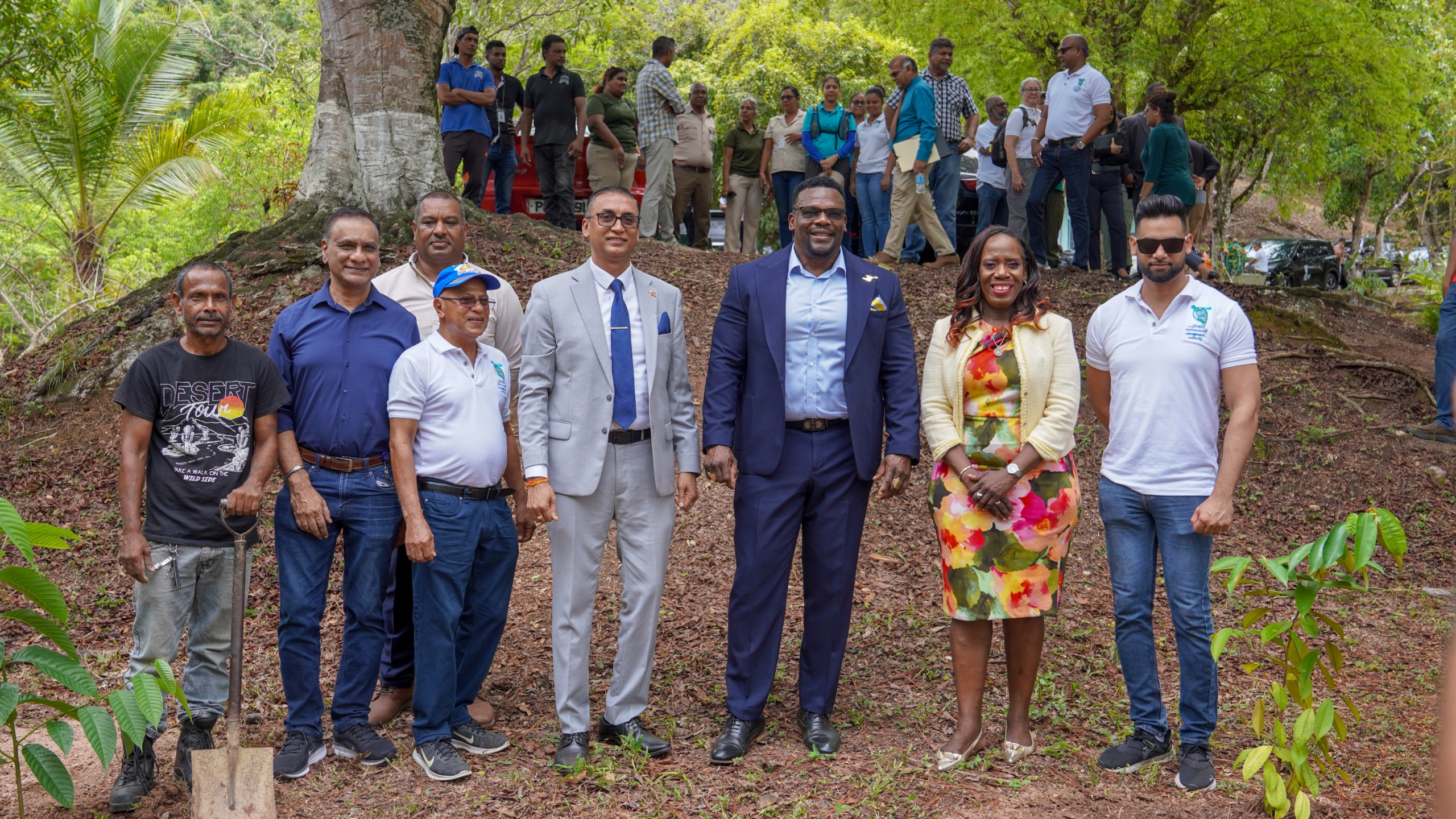
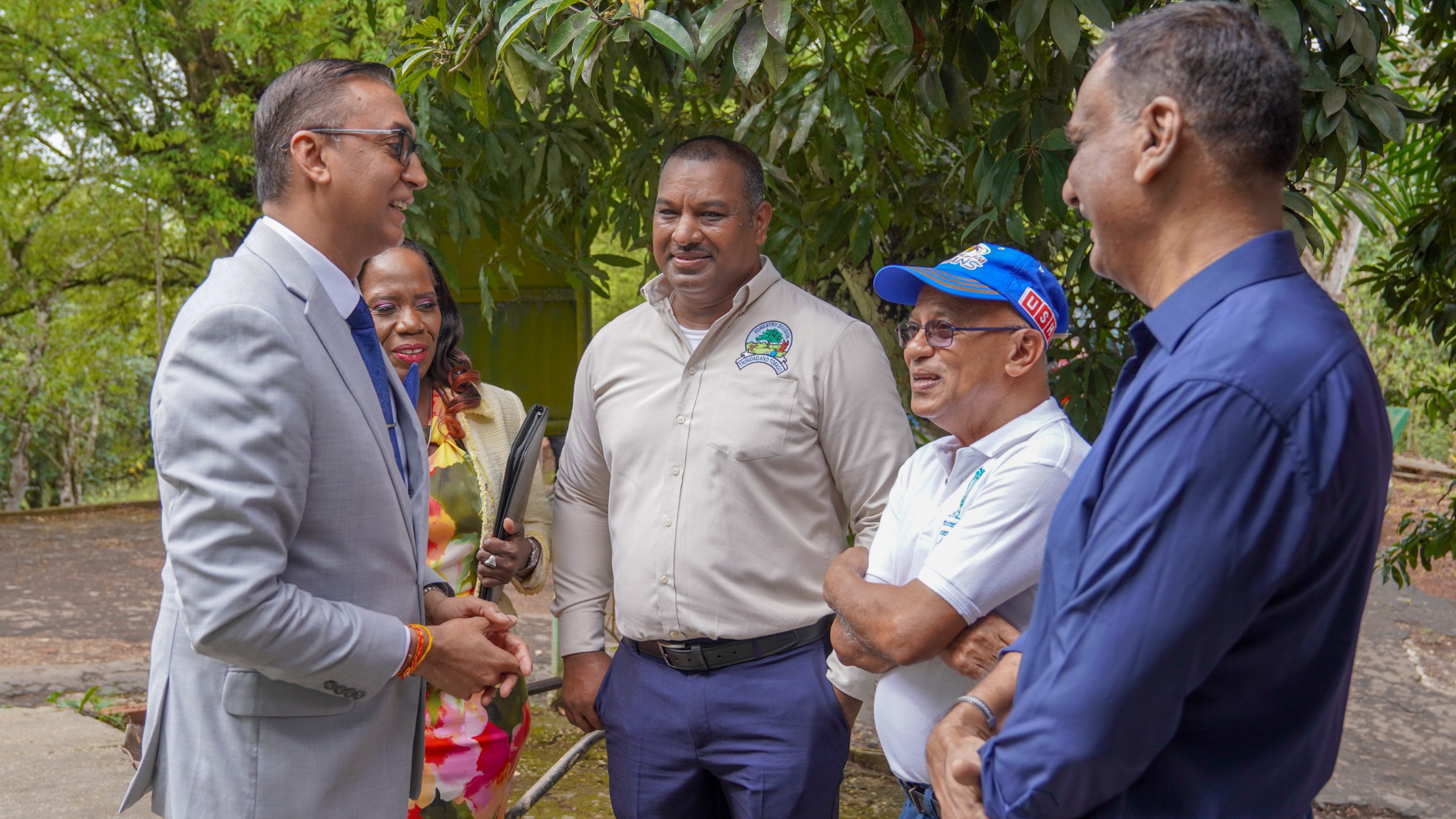
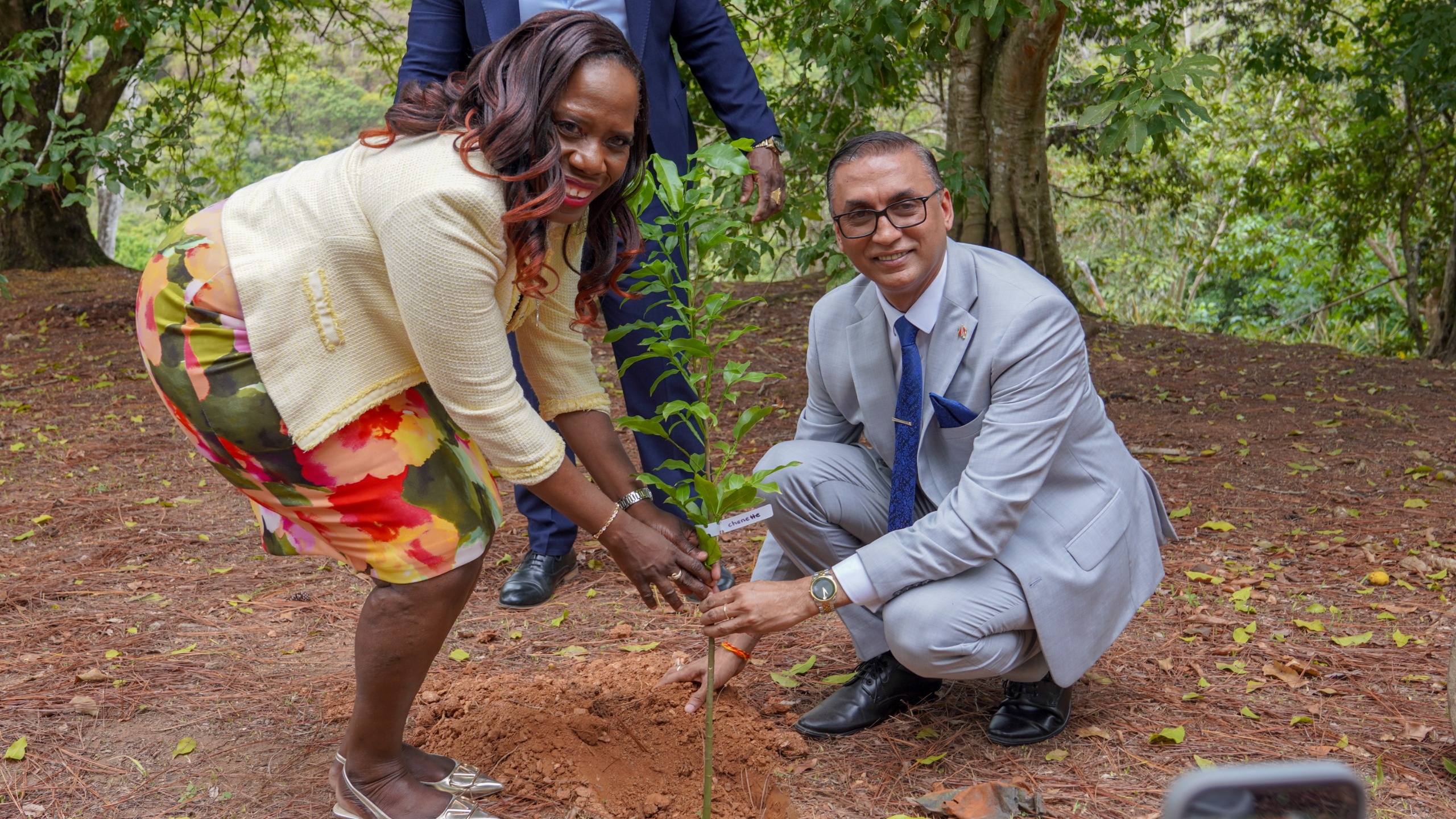
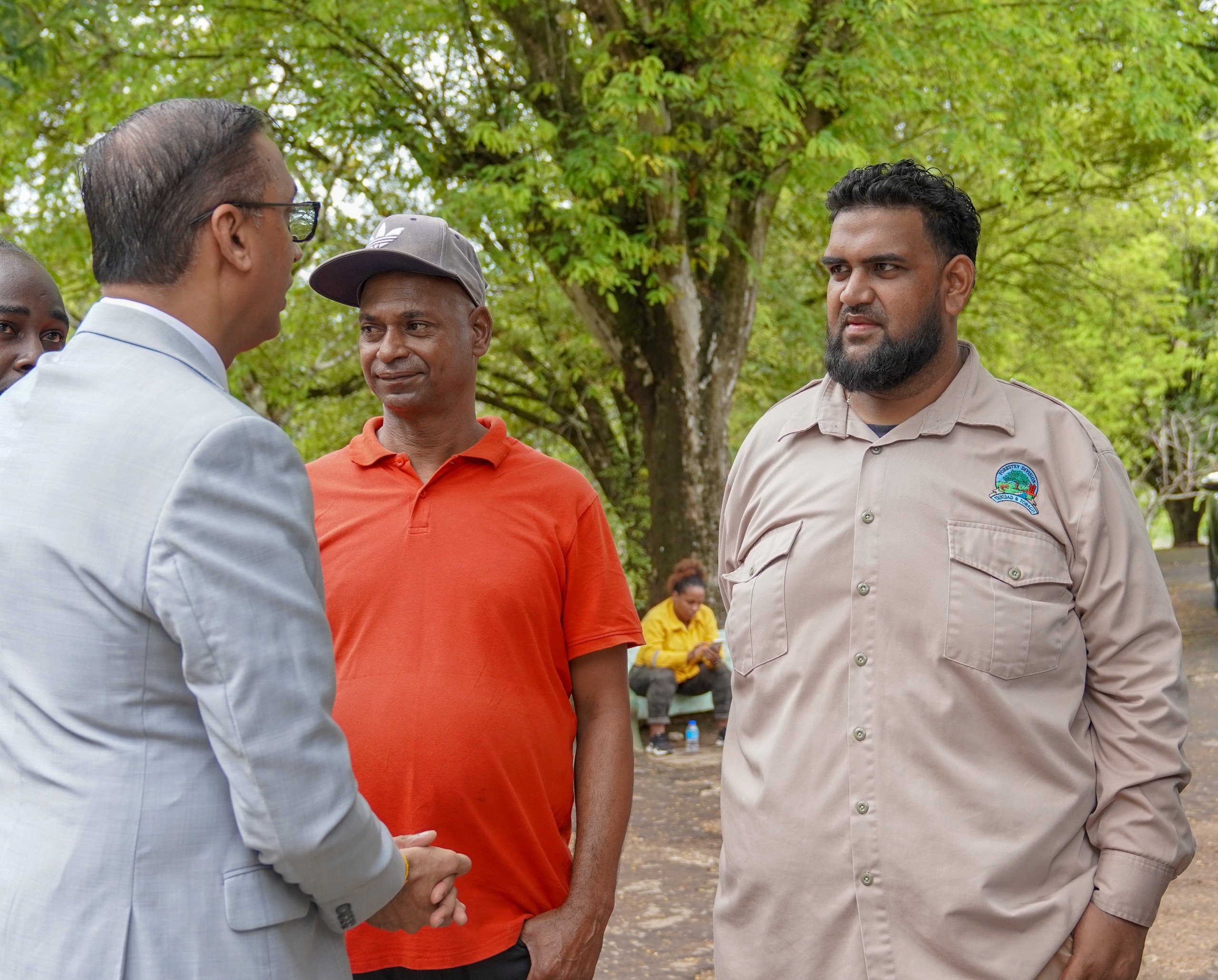
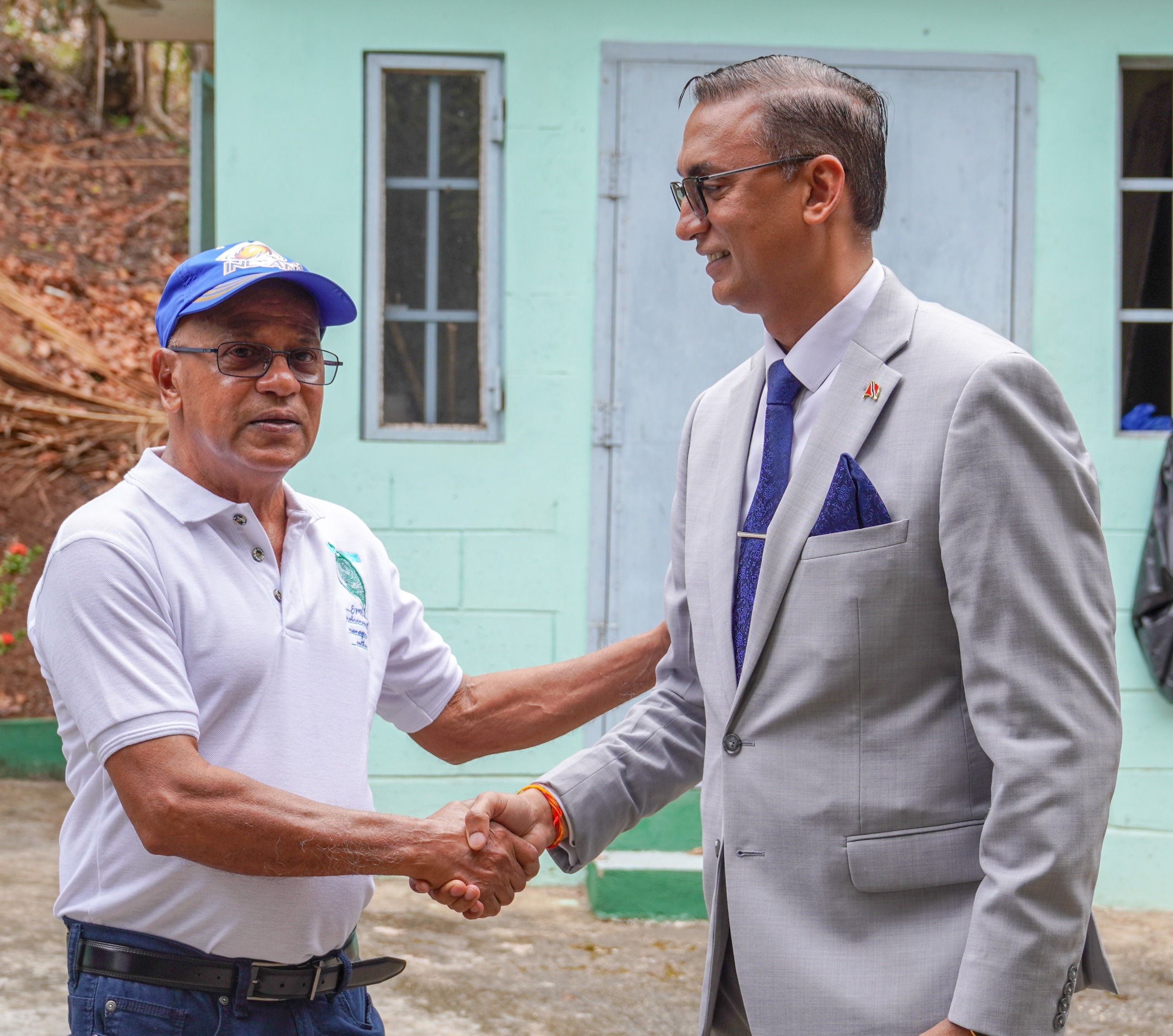
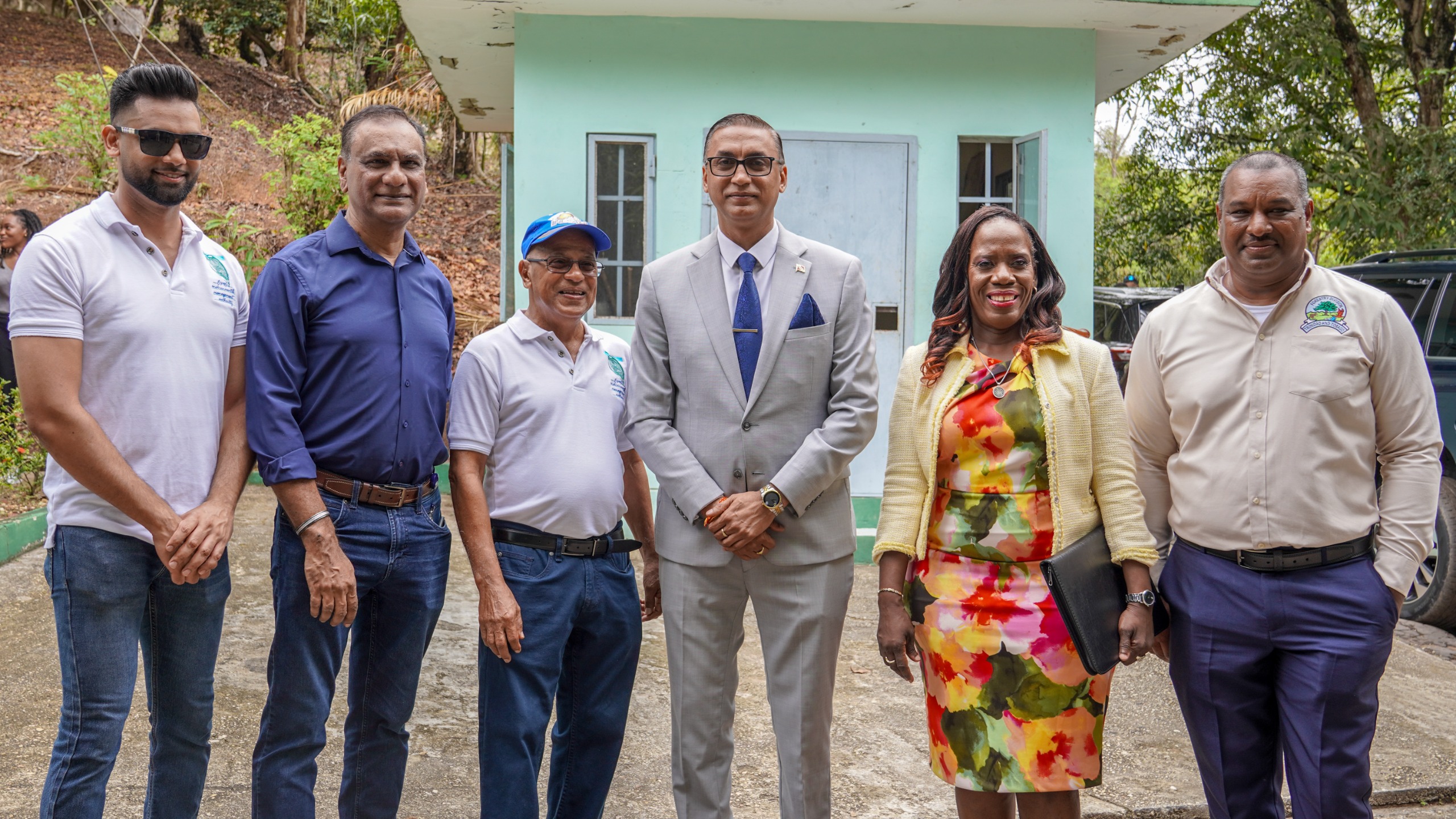
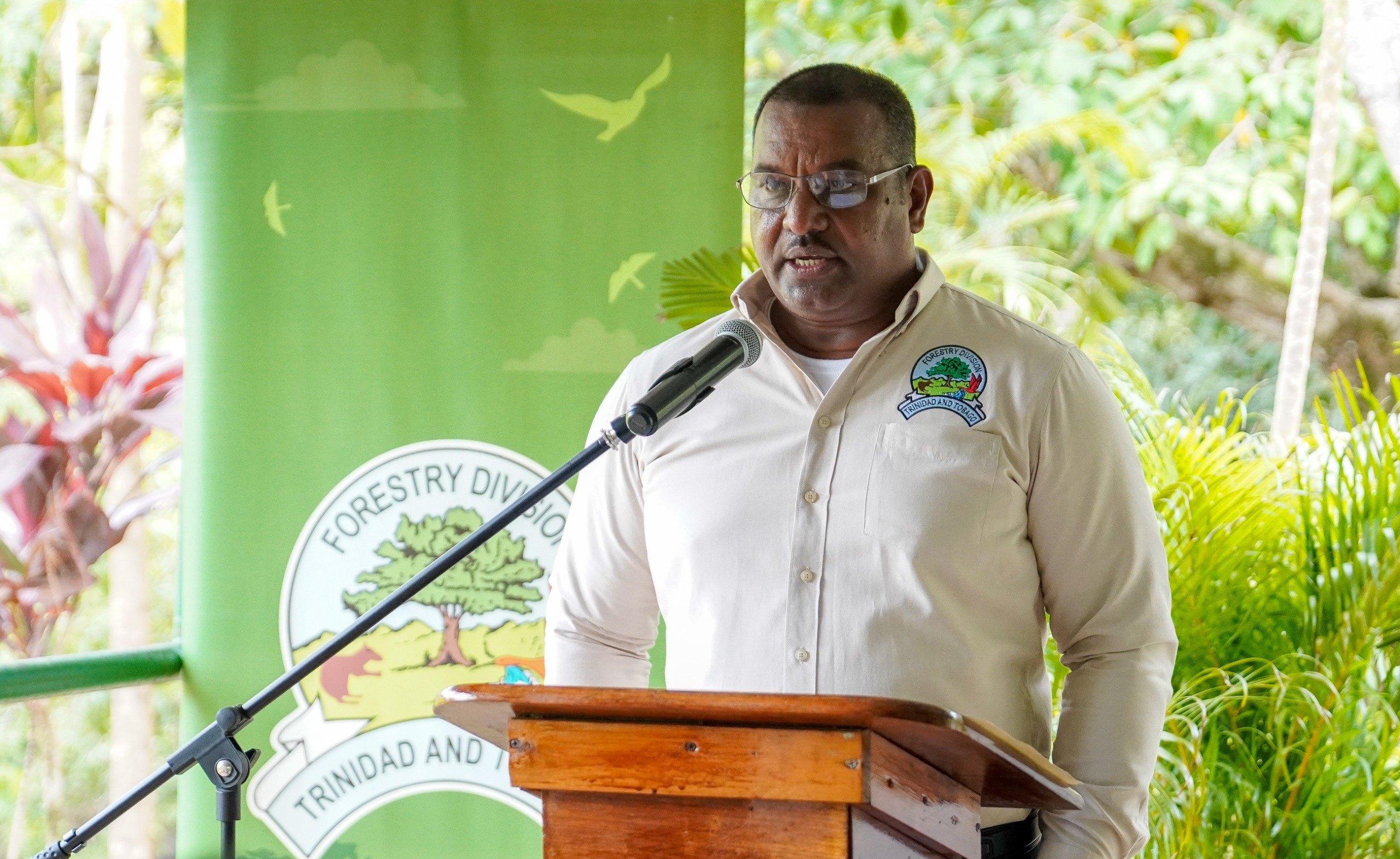
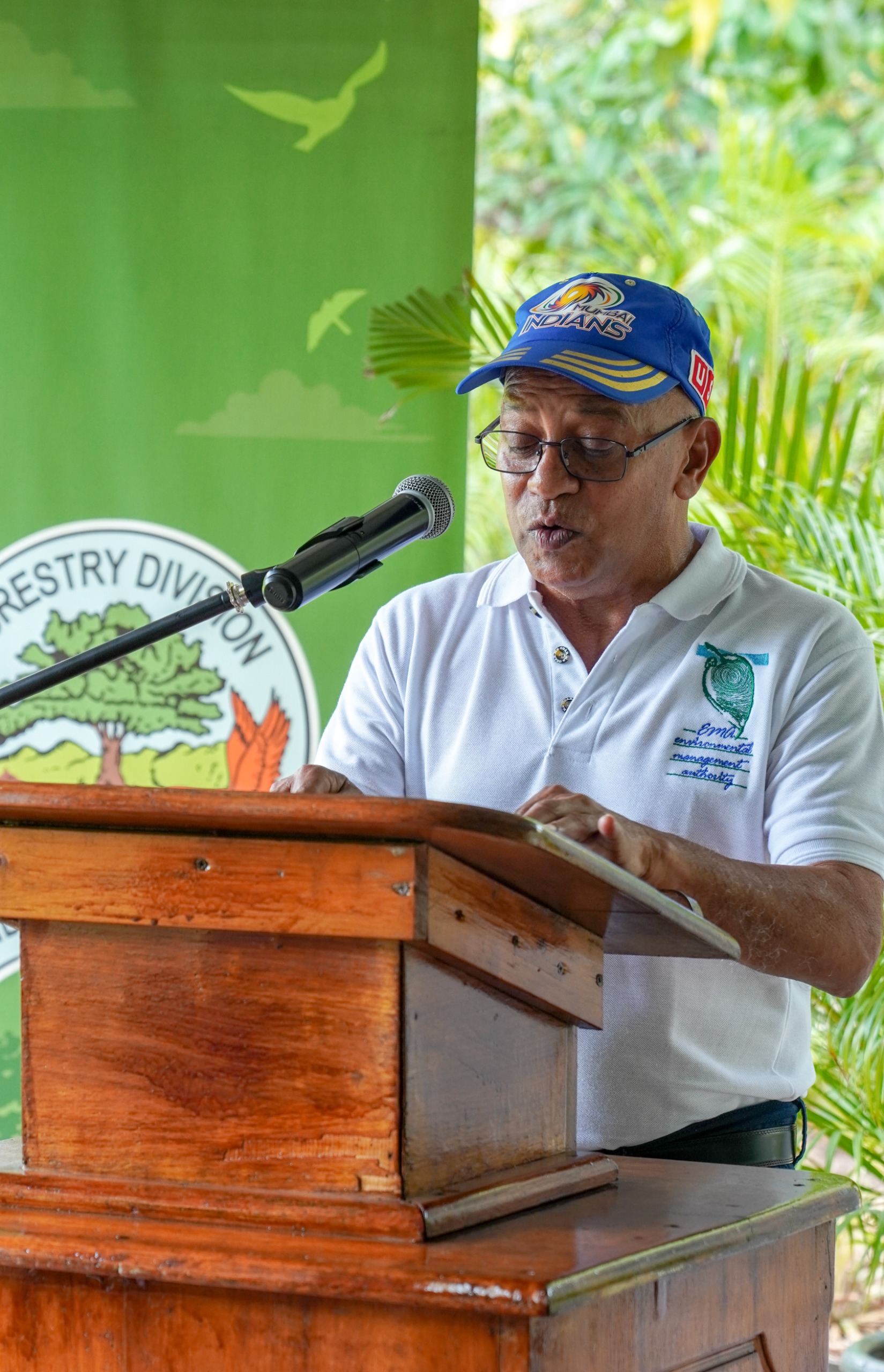
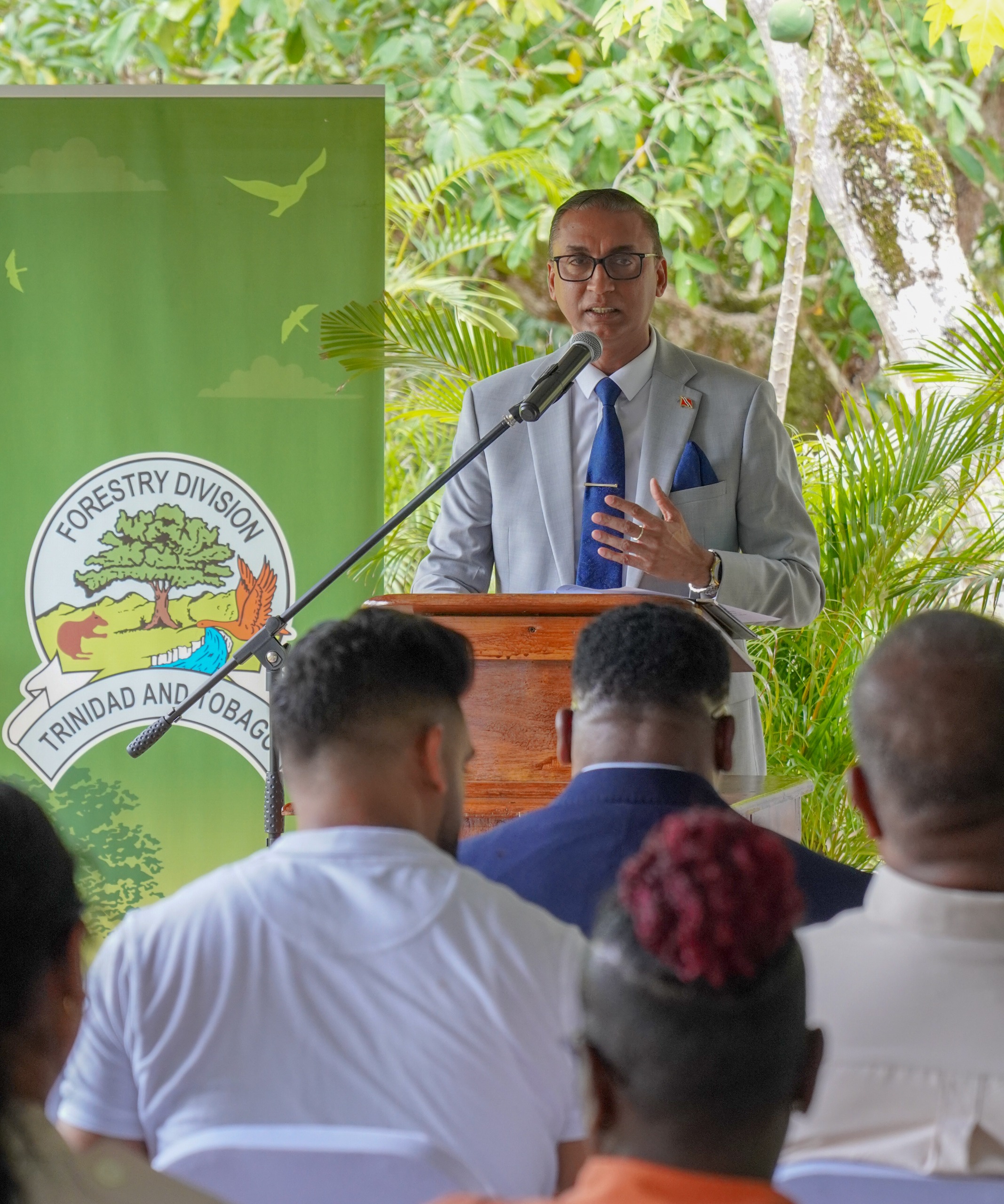
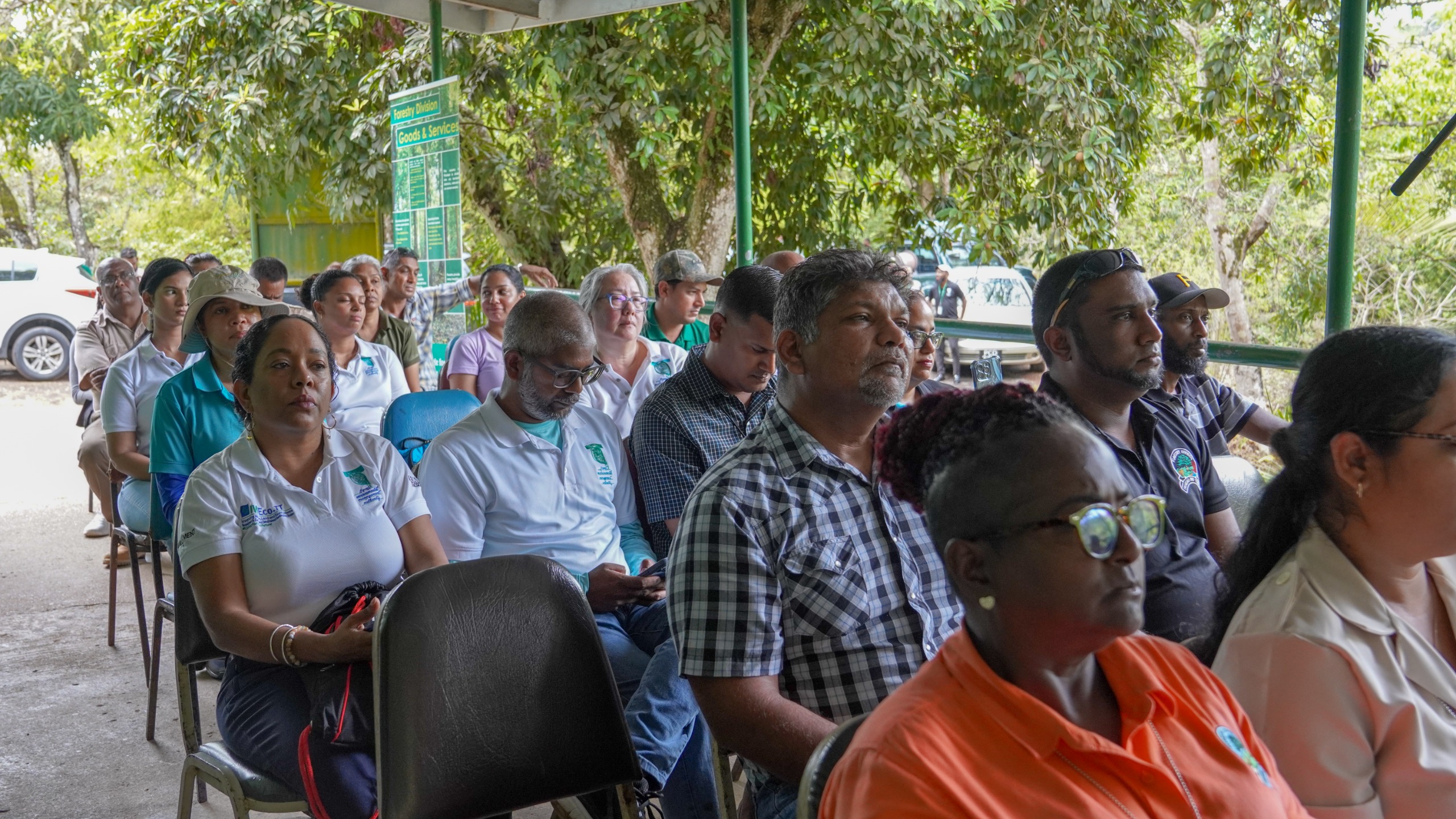
June 5, 2026: – The Ministry of Agriculture and Fisheries, through its Forestry Division and in partnership with the Environmental Management Authority (EMA), today commemorated World Environment Day 2026 with a tree-planting initiative at the St. Michael Agro Forestry Hillside Station, reaffirming its commitment to environmental stewardship, ecosystem restoration and national climate resilience.
Among those participating in the initiative were Senator the Honourable Ravi Ratiram, Minister of Agriculture and Fisheries; The Honourable Roger Alexander, Minister of Homeland Security and Member of Parliament for Tunapuna; Ms. Michelle Anne Thomas, Permanent Secretary (Ag.) in the Ministry of Agriculture and Fisheries; Mr. Doolar Ramlal, Chairman of the Environmental Management Authority; Dr. Joth Singh, Chief Executive Officer and Managing Director of the Environmental Management Authority; and Mr. Ameer Roopnarinesingh, Acting Conservator of Forests.
A total of 156 trees, including Cedar, Mahogany, Cypre, Chennet, Pommerac, Avocado, Caimet and Jabuticaba were planted during the exercise. The species were selected for their ecological value and capacity to support carbon sequestration, biodiversity enhancement, watershed protection and long-term ecosystem resilience.
Senator the Honourable Roger Alexander, Minister of Homeland Security and Member of Parliament for Tunapuna, highlighted the importance of environmental protection as a critical component of national security, particularly in the context of food security, climate resilience and disaster risk reduction.
“Protection is at the heart of national security, and that includes protecting our environment. When we plant a tree today, we are investing in our future and strengthening food security. Climate change is real, and we all have a responsibility to preserve the environment for future generations,” Minister Alexander stated.
Addressing the gathering, Minister Ratiram expressed his gratitude to the Honourable Minister of Homeland Security for recognizing food security and environmental sustainability as a National Security matter and emphasized the critical relationship between environmental sustainability and national development.
“Environmental sustainability and agricultural sustainability are intrinsically linked. Healthy forests protect our watersheds, support biodiversity, strengthen food security and provide the ecosystem services necessary for sustainable economic growth. Every tree planted today represents an investment in climate resilience, environmental restoration and future generations,” the Minister said.
Also participating in the exercise Senator the Honourable Roger Alexander, Minister of Homeland Security, underscored the growing need to recognize environmental sustainability and food security as critical components of national security.
“National security extends beyond traditional law enforcement. It includes our capacity to safeguard the resources that sustain our people and our economy. Food security and environmental sustainability should be recognized as matters of national security.” Minister Alexander stated.
Permanent Secretary in the Ministry of Agriculture and Fisheries (Ag.), Ms. Michelle Anne Thomas, highlighted the importance of collective action and institutional collaboration in responding to global environmental challenges.
“Environmental protection requires a whole-of-society approach. Through partnerships such as this between the Forestry Division and the Environmental Management Authority, we are demonstrating how coordinated action can deliver meaningful and lasting environmental outcomes. Today’s initiative is a practical investment in our natural capital and a tangible contribution to building a more resilient and sustainable Trinidad and Tobago,” she stated.
The event also marked a significant milestone for the Forestry Division as it celebrates 125 years of service to Trinidad and Tobago. Since its establishment in 1901, the Division has played a pivotal role in sustainable forest management, wildlife conservation, watershed protection, environmental education and ecosystem restoration.
Participants also acknowledged the Environmental Management Authority’s continued leadership in environmental governance and awareness-building as the institution celebrates 31 years of service to the people of Trinidad and Tobago.
World Environment Day, observed annually on June 5 and led by the United Nations Environment Programme (UNEP), is recognized as the world’s largest global platform for environmental outreach, engaging millions of people in environmental action across more than 150 countries.
The Ministry of Agriculture and Fisheries remains committed to advancing sustainable land management, biodiversity conservation, ecosystem restoration and climate resilience through strategic partnerships, evidence-based policy interventions and community engagement initiatives.



END
May 22, 2026:- Senator the Honourable Ravi Ratiram, Minister of Agriculture and Fisheries, has commended the dedicated efforts of the Praedial Larceny Squad (PLS) following the swift recovery of allegedly stolen cattle belonging to a farmer from Enterprise.
The incident occurred on May 19, 2026, when a farmer reported the alleged theft of seven cattle to the Central Praedial Larceny Squad. Acting swiftly, officers launched an investigation that quickly led to the identification of a vehicle registration number believed to be linked to the theft.
Further investigations took officers to Morvant, where the Praedial Larceny Squad coordinated efforts with the Trinidad and Tobago Police Service (TTPS). Accompanied by the victim, officers conducted enquiries at the location and successfully identified and recovered four of the stolen animals.
Subsequent investigations revealed that the remaining three cattle had been transported to the Penal district and sold. Several individuals have since been detained in connection with the matter, while investigations remain ongoing.
Minister Ratiram praised the coordinated response and professionalism demonstrated by both agencies, emphasizing that the successful operation highlights the importance of inter-agency collaboration in combating praedial larceny and protecting the livelihoods of farmers across Trinidad and Tobago.
“Praedial larceny offenders will feel the full brunt of the law,” Minister Ratiram stated.
Recognizing the serious impact of praedial larceny on the agricultural sector, Minister Ratiram reaffirmed the Ministry’s commitment to strengthening the Praedial Larceny Squad’s operational capabilities. In the past year, the Ministry has expanded the PLS fleet from one operational vehicle to nine, significantly enhancing response capacity. Additionally, plans are underway to introduce an Air Support Unit to further bolster anti-praedial larceny efforts.
The Ministry of Agriculture and Fisheries continues to encourage farmers and members of the public to report suspicious activities promptly and to work closely with law enforcement authorities to safeguard the nation’s agricultural sector.
END
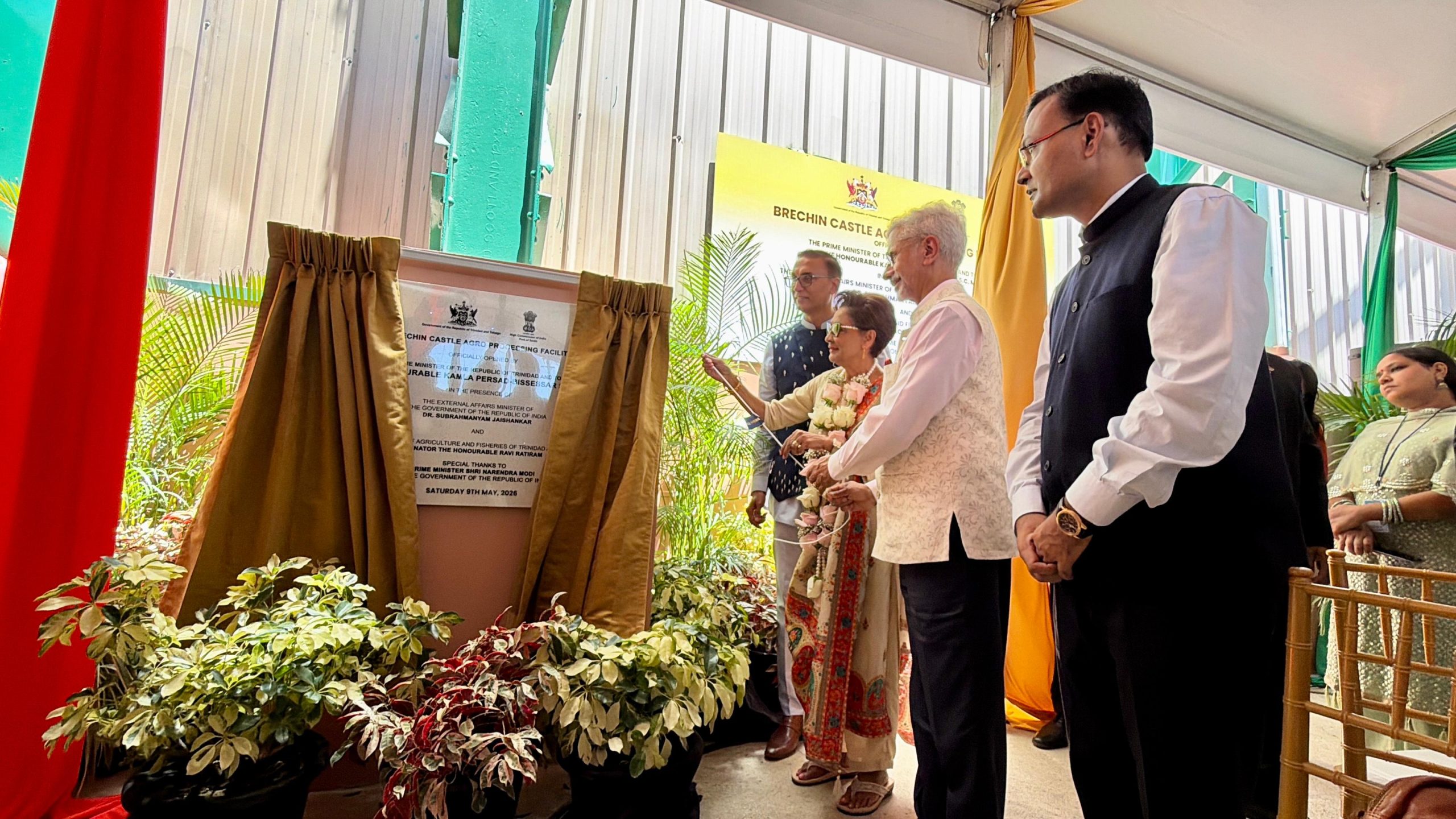
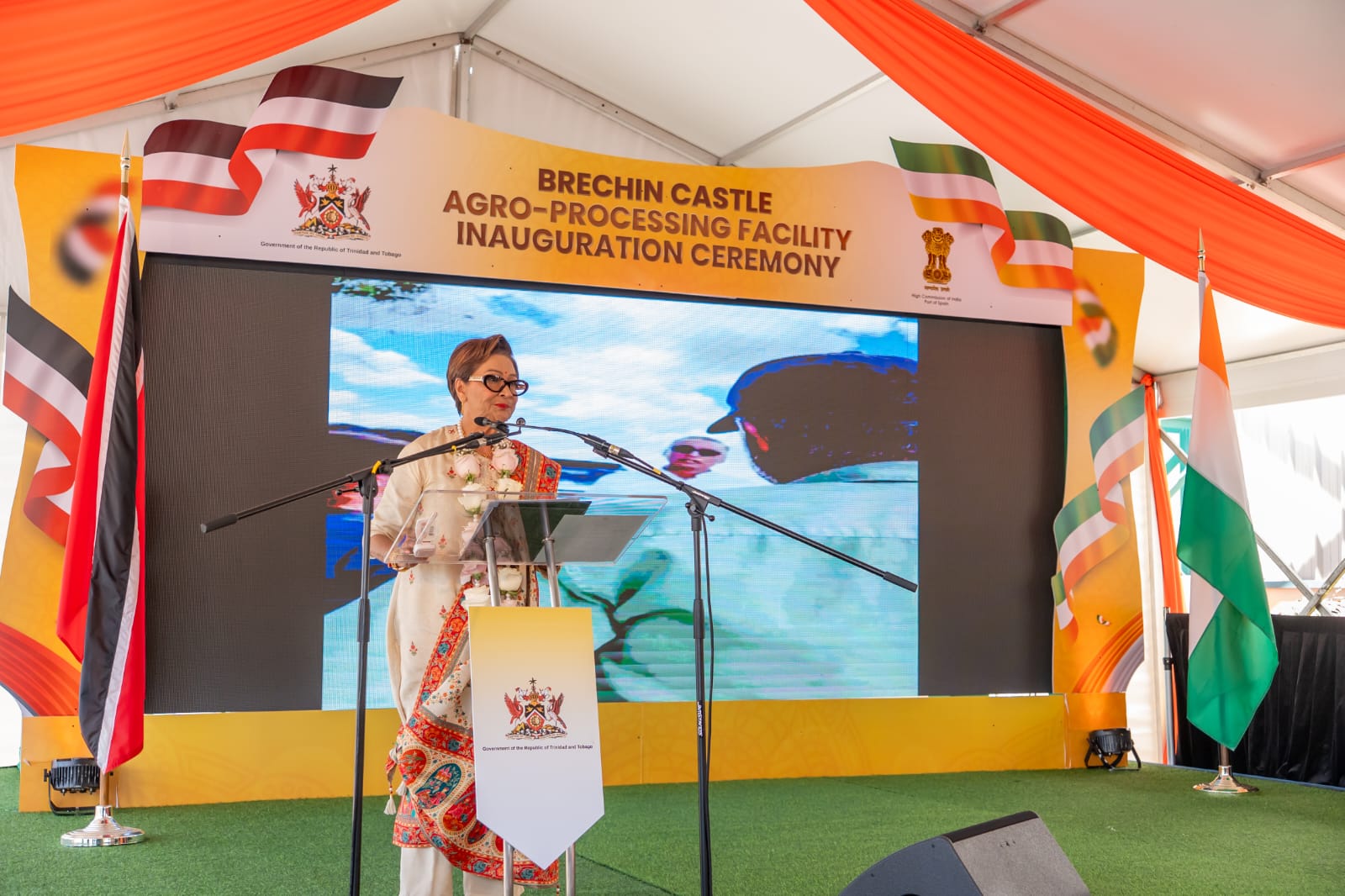
May 9, 2026:- The Ministry of Agriculture and Fisheries today, officially inaugurated the Brechin Castle Agro-Processing Facility in Couva, marking a major step in the Ministry’s ongoing drive to modernize and industrialize Trinidad and Tobago’s agro-processing sector.
The Brechin Castle Agro-Processing Facility is designed to process high volumes of agricultural produce, reduce post-harvest losses, absorb market surpluses, and convert raw commodities into value-added, export-ready products. The facility also strengthens the country’s agro-industrial capacity through improved processing, packaging, shelf-life extension, and export readiness.
The Honourable Kamla Persad-Bissessar S.C. M.P., Prime Minister of the Republic of Trinidad and Tobago, delivered the keynote address, emphasizing the Government’s commitment to strengthening food security and empowering local farmers through value-added agriculture. During her address, the Prime Minister stated, “This is agriculture driven not only by cultivation, but also by processing, branding, exports and innovation,” as she highlighted the transformative role of the Brechin Castle Agro-Processing Facility in advancing the nation’s agricultural sector. The Prime Minister also expressed sincere appreciation to the Government and people of India for their support in making the facility possible, describing the initiative as a symbol of the enduring partnership and shared developmental goals between Trinidad and Tobago and India.
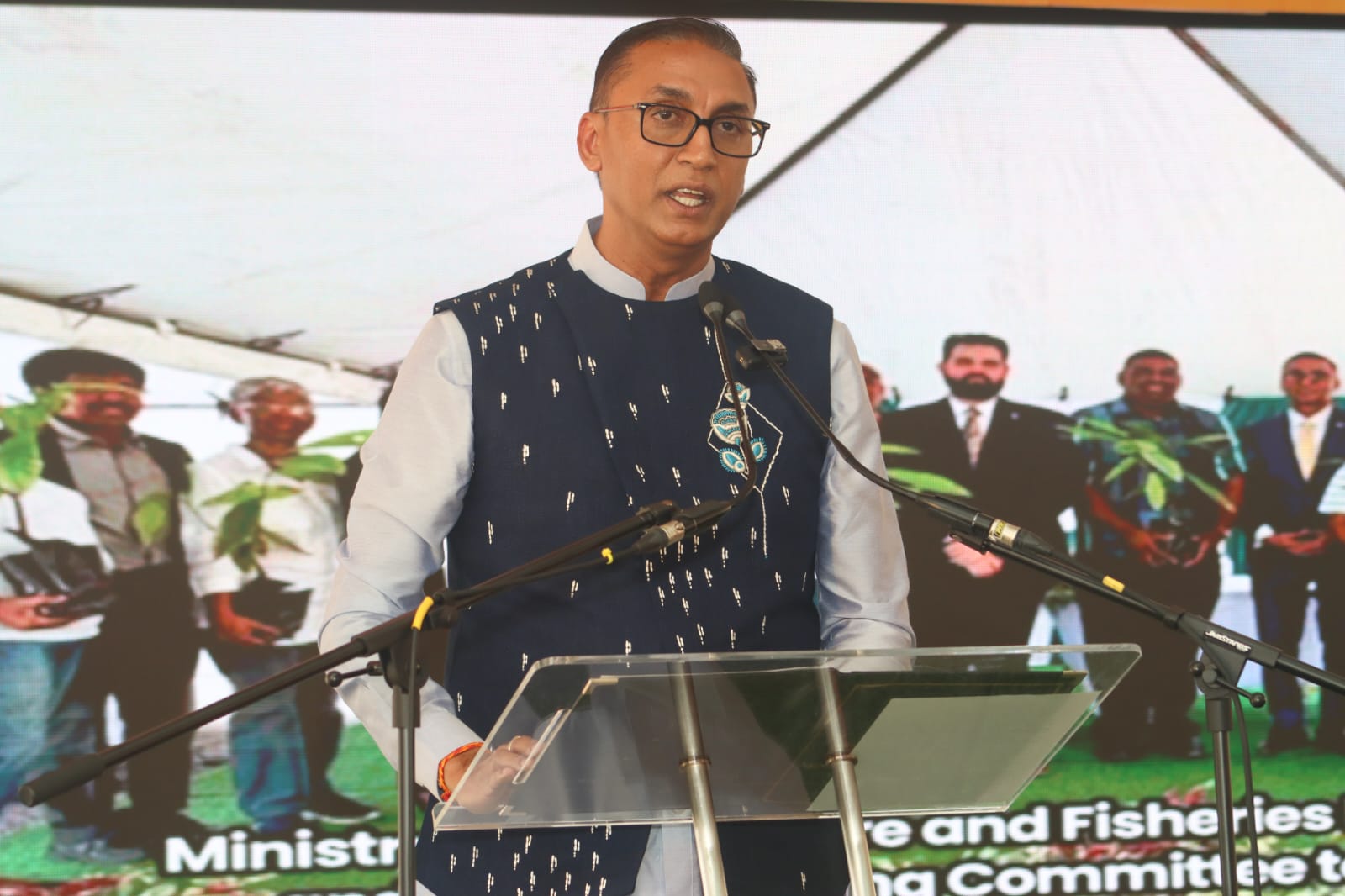
Speaking at the event, Senator the Honourable Ravi Ratiram, Minister of Agriculture and Fisheries described the facility as a transformative investment capable of redefining the future of agriculture in Trinidad and Tobago. “Today, we are not simply opening a facility. We are activating a new economic frontier for Trinidad and Tobago. This is not incremental progress. This is a structural transformation,” the Minister stated.
Minister Raitram further emphasized that the facility forms part of a broader strategy to reposition agriculture as a modern, technology-driven and globally competitive industry capable of generating sustainable economic growth, strengthening food security, stabilizing markets, and increasing foreign exchange earnings through export expansion.
The Minister also acknowledged the continued partnership and support of the Government of India in strengthening agricultural development, technical cooperation, and institutional capacity building in Trinidad and Tobago.
Dr. Subrahmanyam Jaishankar, External Affairs Minister of the Republic of India, the Honourable Sean Sobers, Minister of Foreign and CARICOM Affairs, the Honourable Barry Padarath, Minister of Public Utilities and Minister in the Office of the Prime Minister and The Honourable Saddam Hosein, Minister of Land and Legal Affairs and Minister in the Ministry of Agriculture and Fisheries also delivered remarks.
The Ministry of Agriculture and Fisheries remains committed to expanding strategic agricultural infrastructure and creating increased opportunities for farmers, agribusinesses, and investors throughout the agricultural value chain.


END
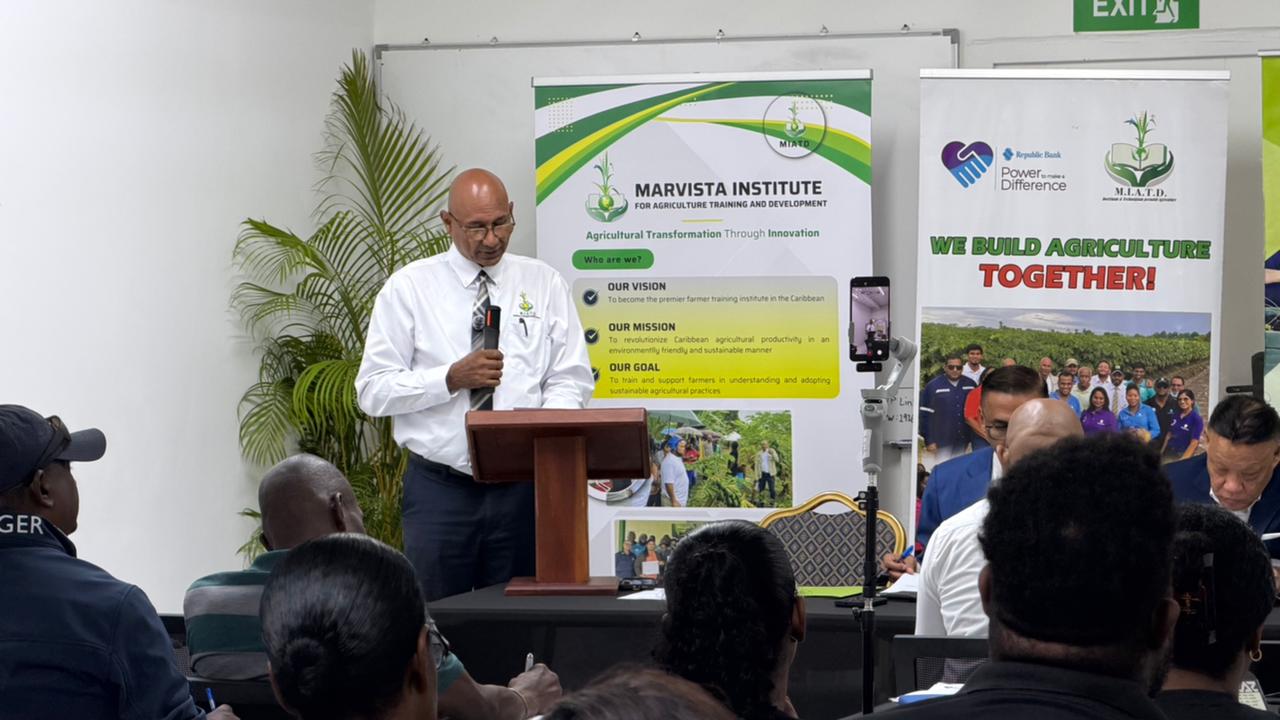
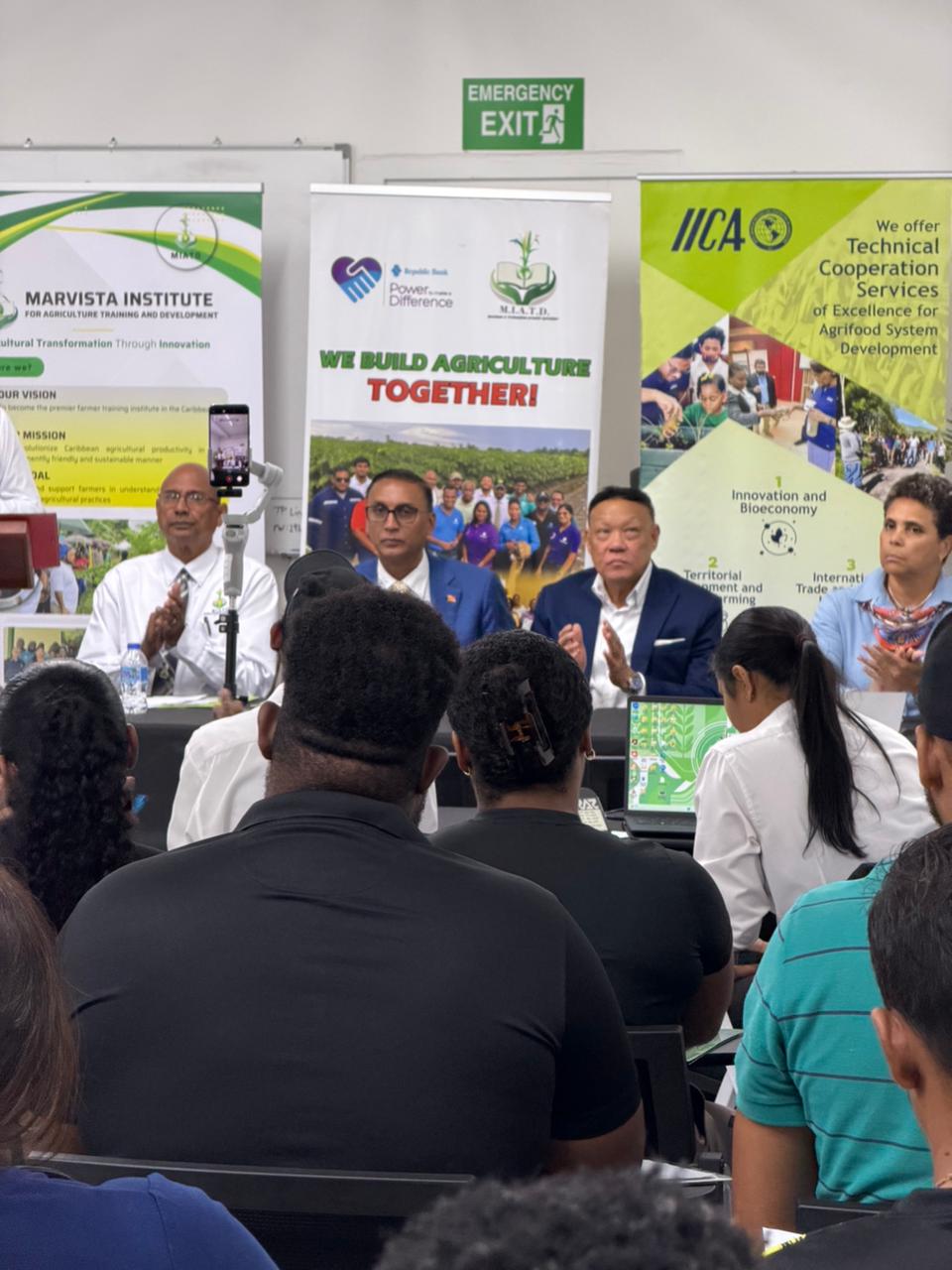
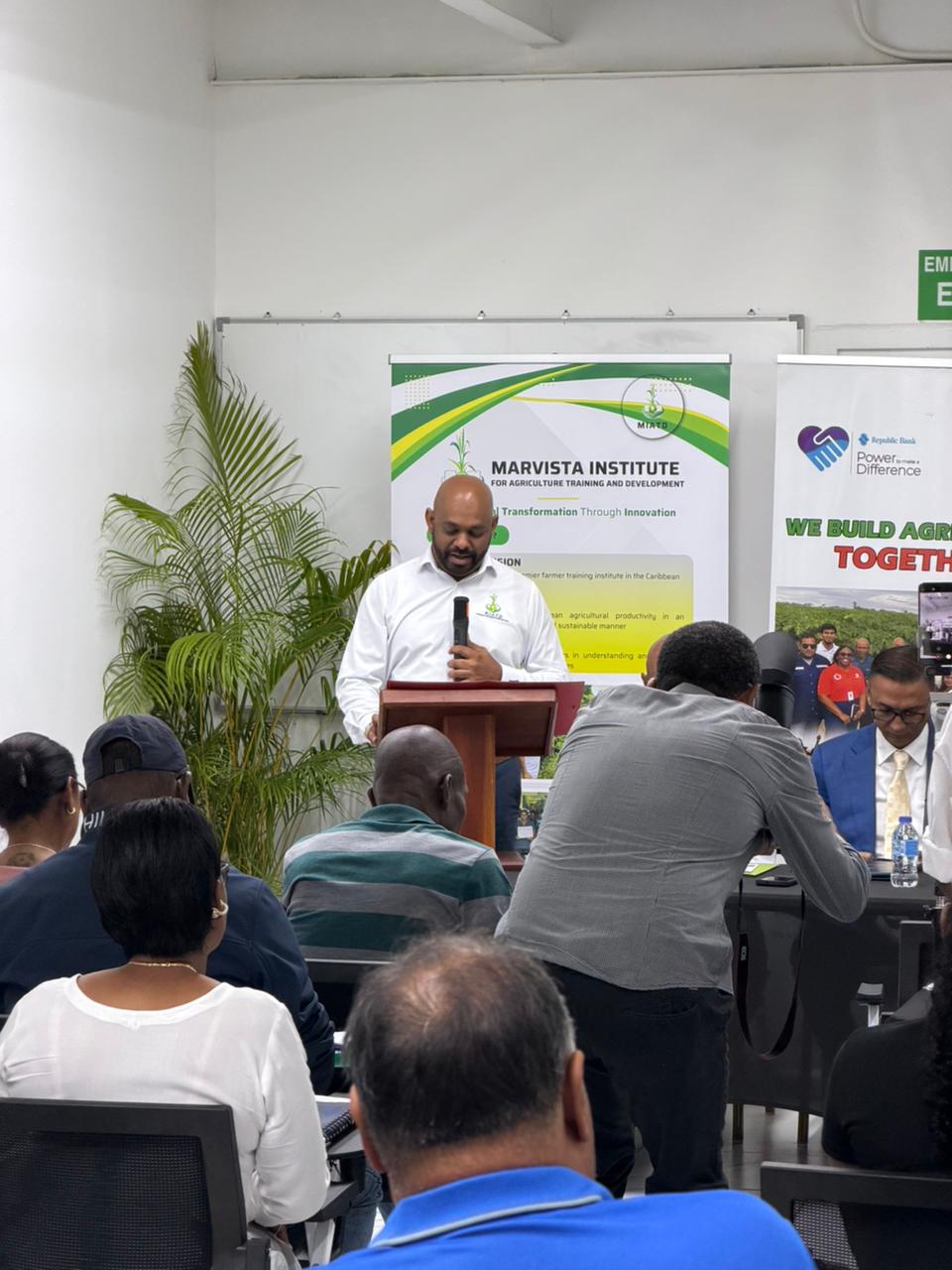
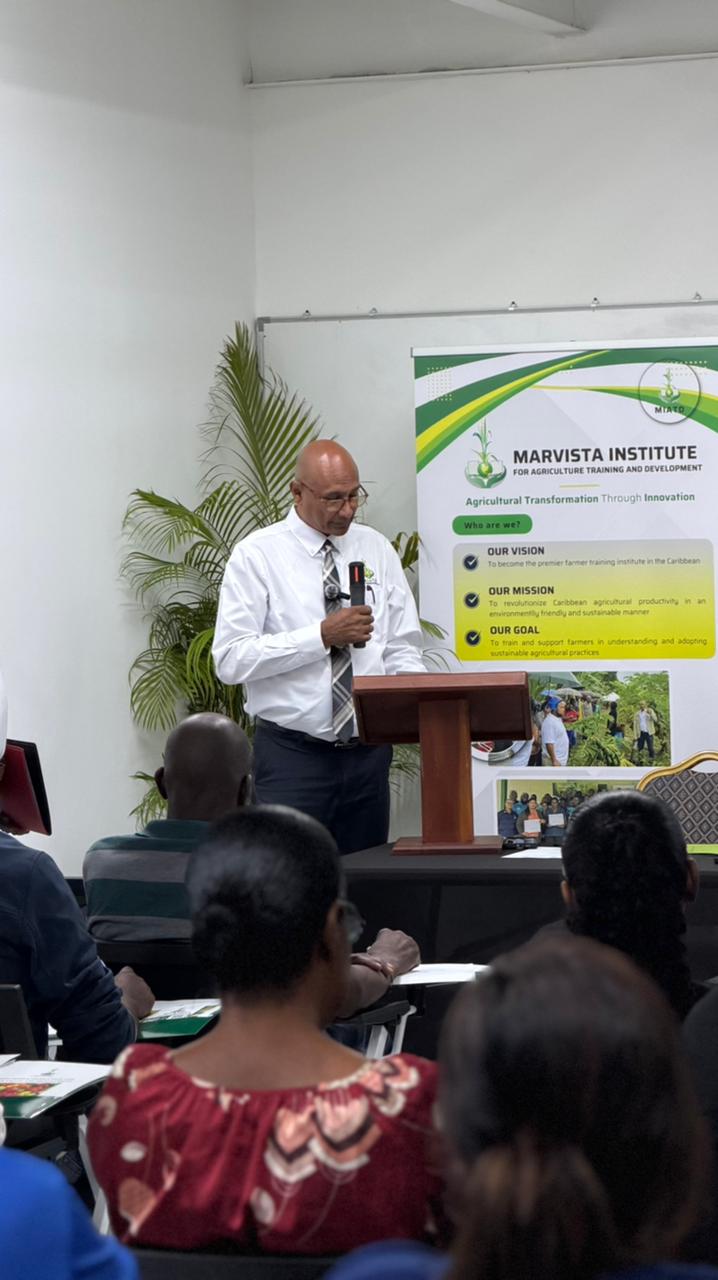
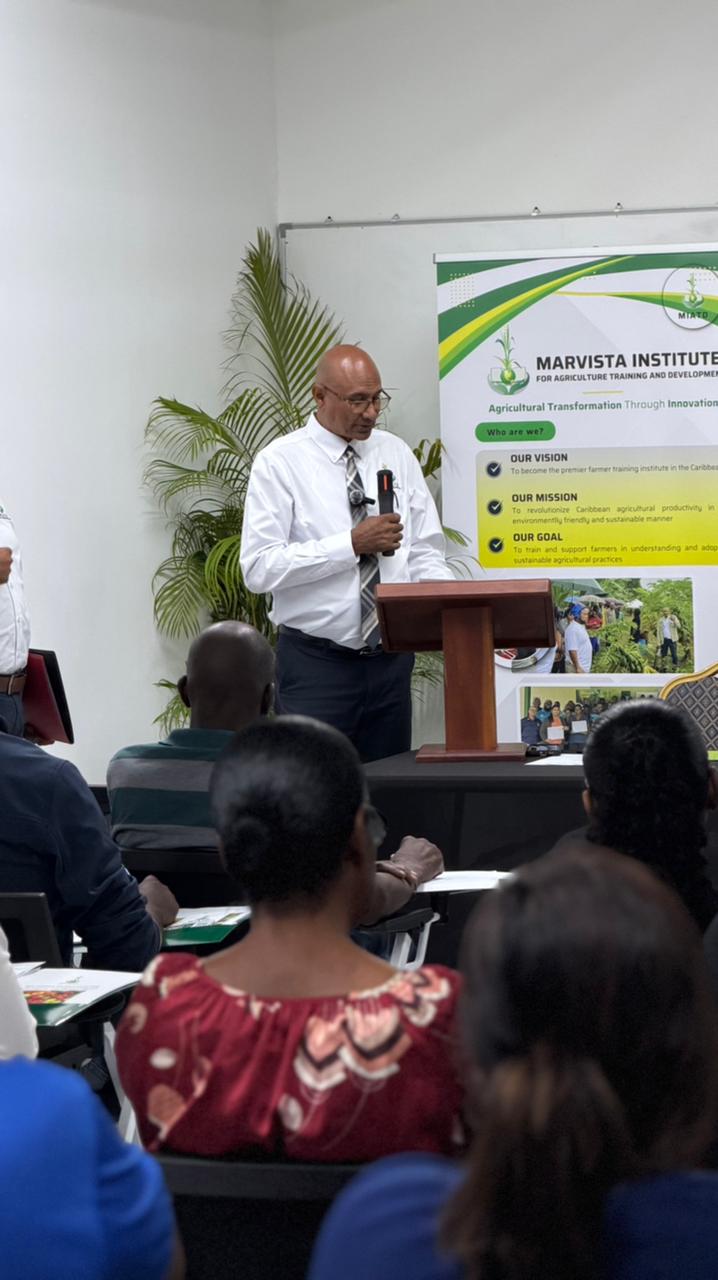
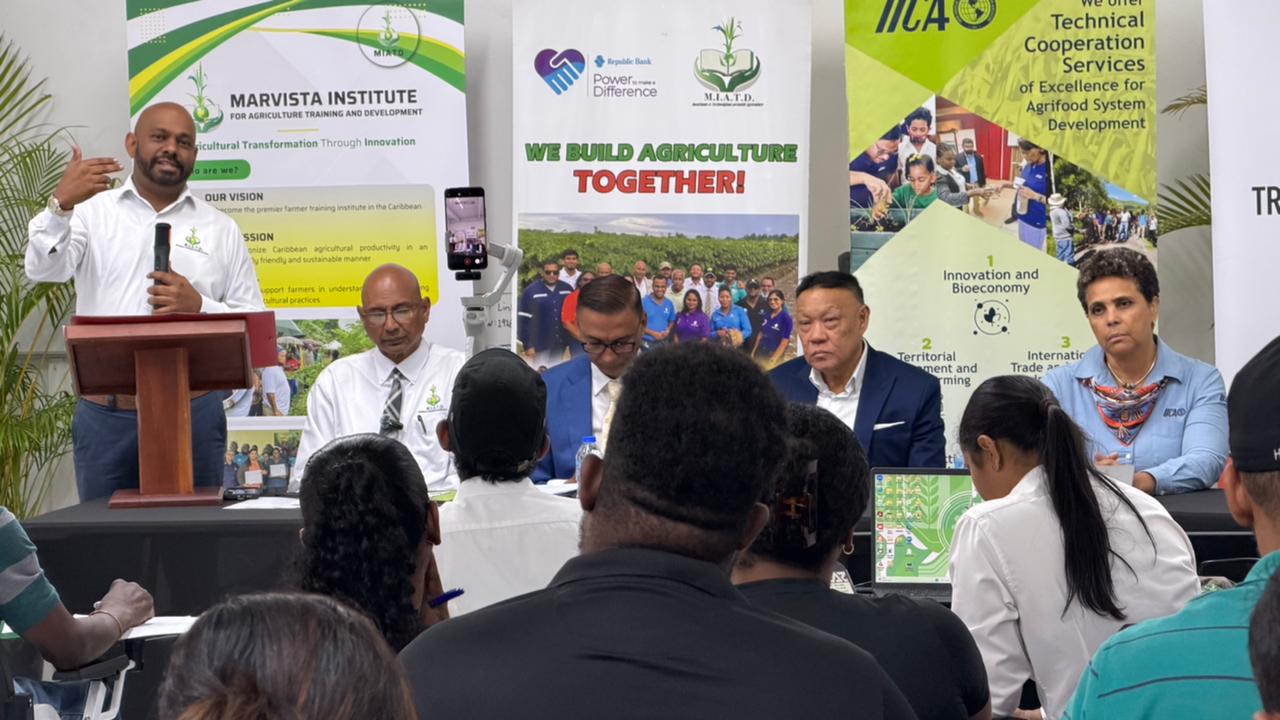
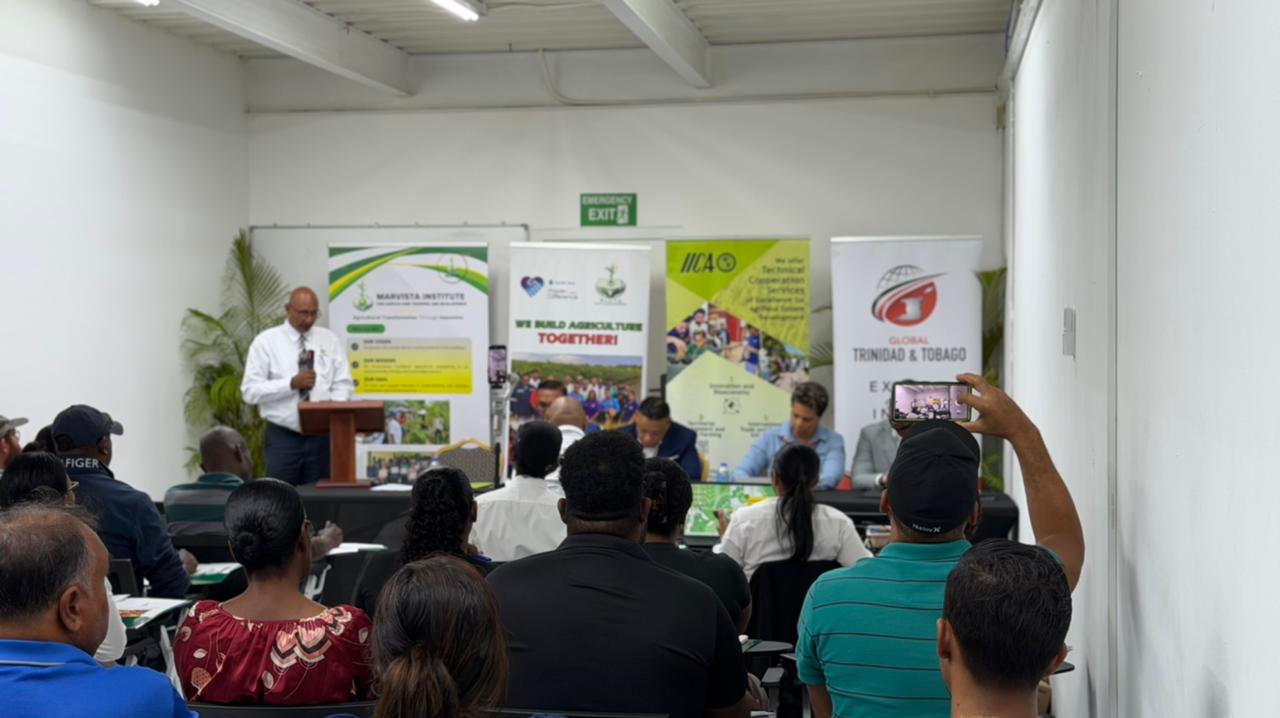
April 28, 2026:- Trinidad and Tobago is positioning itself to secure a competitive foothold in the global specialty pepper market, as the Ministry of Agriculture and Fisheries intensifies efforts to modernize production systems, expand value-added processing, and strengthen export readiness across the agricultural sector. This was underscored by Senator the Honourable Ravi Ratiram, Minister of Agriculture and Fisheries, as he addressed participants at the Hot Pepper Production for High Yields and Profitability Workshop hosted by the MarVista Institute for Agriculture Training and Development.
The two-day workshop brings together farmers, agri-entrepreneurs, financial institutions, and technical stakeholders to strengthen production practices, improve crop quality, and expand opportunities within value-added and export markets for the pepper industry.
In delivering remarks, Minister Ratiram underscored the strategic importance of the pepper industry to Trinidad and Tobago’s economic diversification agenda, noting the country’s globally recognized pepper varieties as a key competitive advantage within expanding international markets.
“The pepper industry represents a clear opportunity for Trinidad and Tobago, not only to meet domestic demand, but to compete, differentiate, and lead on the global stage,” Minister Ratiram stated.
The Minister further highlighted that global demand for pepper-based products continues to expand, driven by growth in the international hot sauce market and increasing industrial applications of capsaicin across food systems, pharmaceuticals, and personal defense products. He noted that value-added production, particularly pepper mash, presents a viable pathway for export expansion, improved income stability for farmers, and stronger integration within agro-processing value chains.
Participants will engage in technical sessions focused on improving agronomic performance through enhanced irrigation practices, structured crop management, pest and disease control, and nutrient optimization. These interventions are expected to support higher yields, improved consistency, and greater alignment with market requirements.
The Ministry of Agriculture and Fisheries remains committed to creating an enabling environment for sustainable agricultural development, with a focus on innovation, resilience, and market competitiveness.
END


